
Proyecto/Project: Casa Cantera/Quarry House
Autoría/Author: Taller General
Colaboradores/Collaborators: Cerrotecec, Las Manos Sucias, Sofía Arcos, Santiago León, Joaquín Cárdenas
Cálculo estructural/Structural calculation: Miguel Morales
Año de diseño/Design year: 2022
Año de construcción/Construction year: 2023-2024
Encargado de construcción/Construction manager: Taller General
Ubicación/Location: Quito, Ecuador
Área/Area: 110 m2
Fotografías/Pictures: Alex Santander
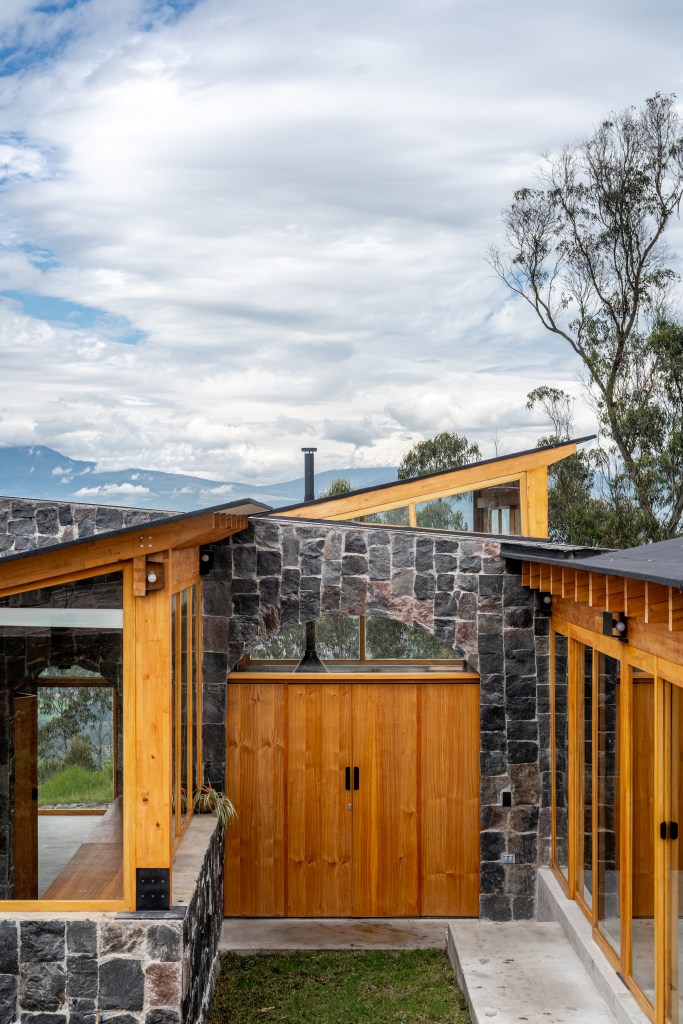
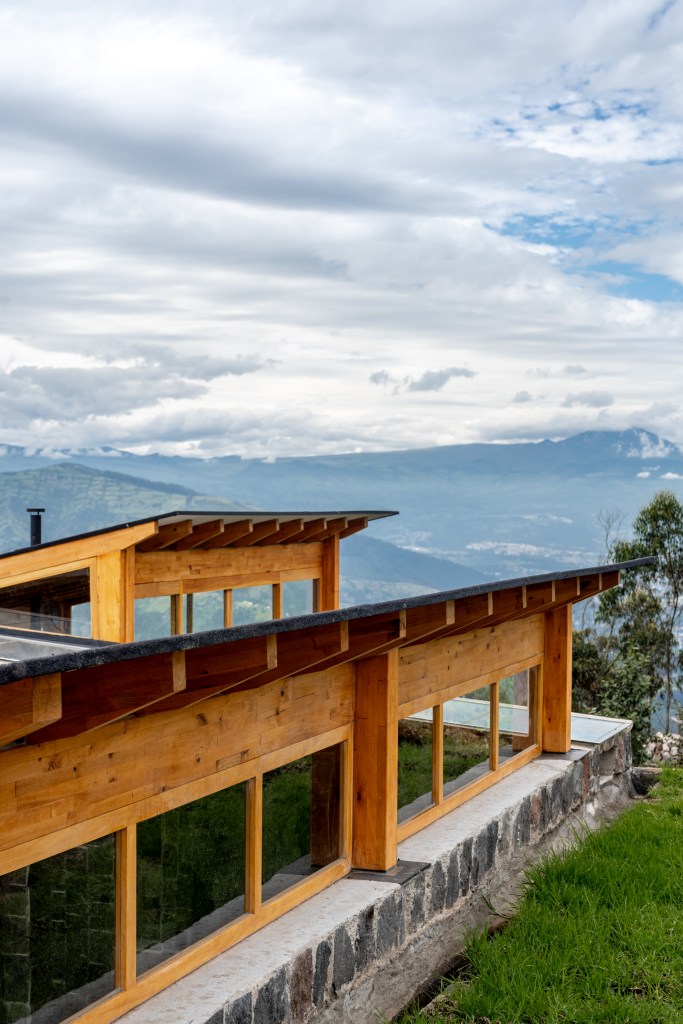
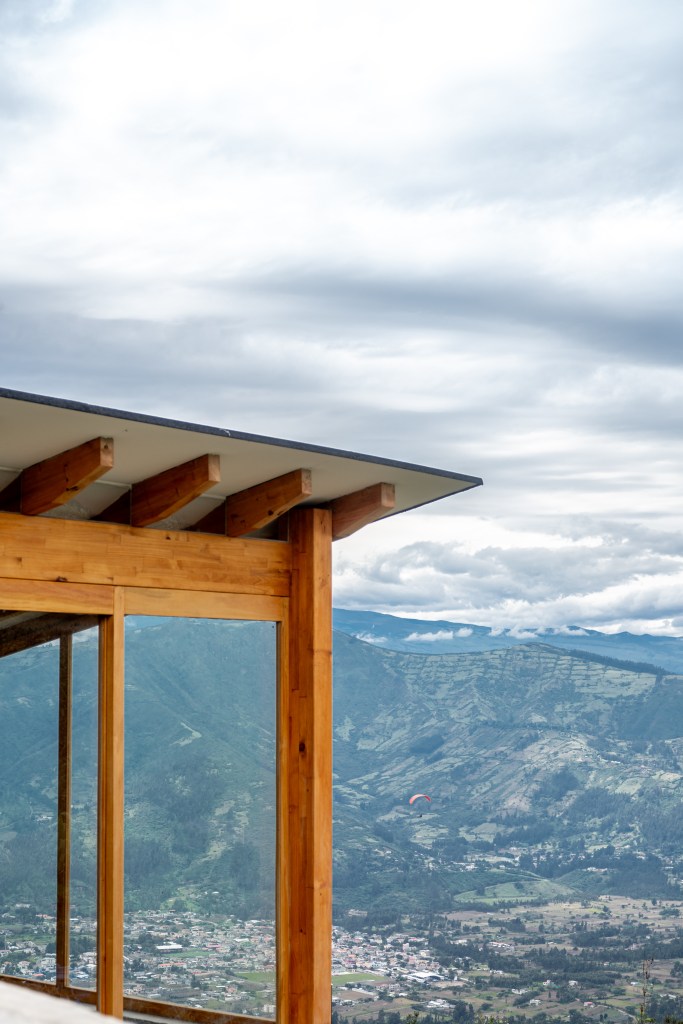
¿Cómo habitar una montaña? Esta casa unifamiliar se emplaza en la periferia de la ciudad, en la cima de una elevación que divide Quito de sus valles colindantes, actuales zonas de expansión de la ciudad.
How to live on a mountain? This single-family house is located on the outskirts of the city, on a ridge that separates Quito from the adjacent valleys, the current expansion zones of the city.

El terreno se ubica sobre una arista que va en sentido norte-sur y permite una vista privilegiada hacia los lados contrarios. Al este, los valles de Quito y la cordillera oriental; al oeste, la meseta consolidada de la ciudad. El disfrute de esta vista se interrumpe por los fuertes vientos que suben por la ladera este y, en ciertos momentos, dificultan estar de pie.
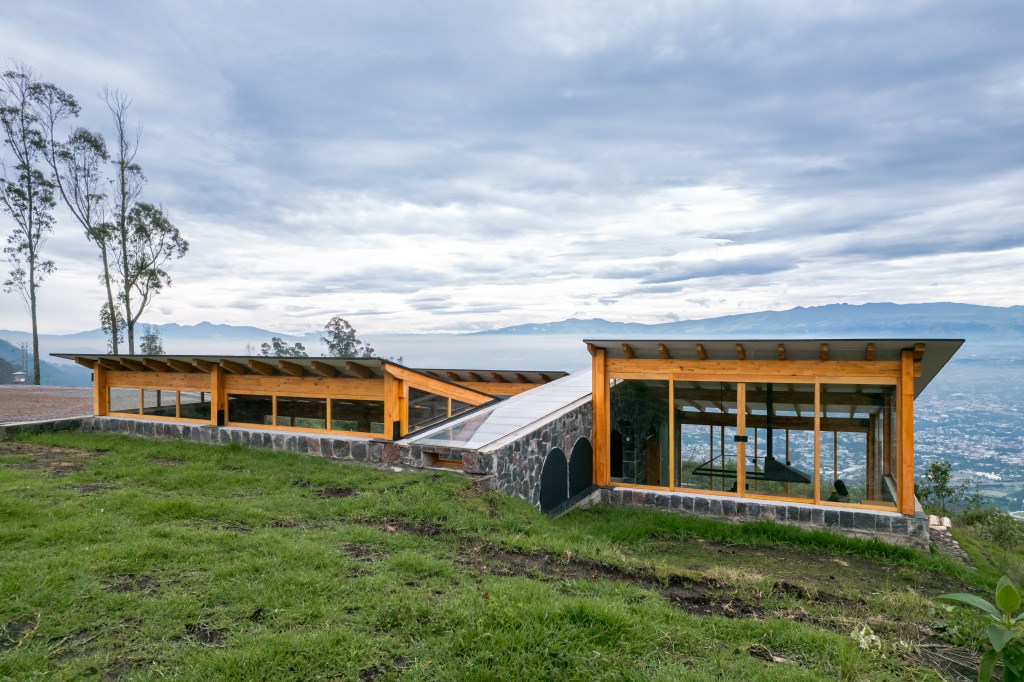
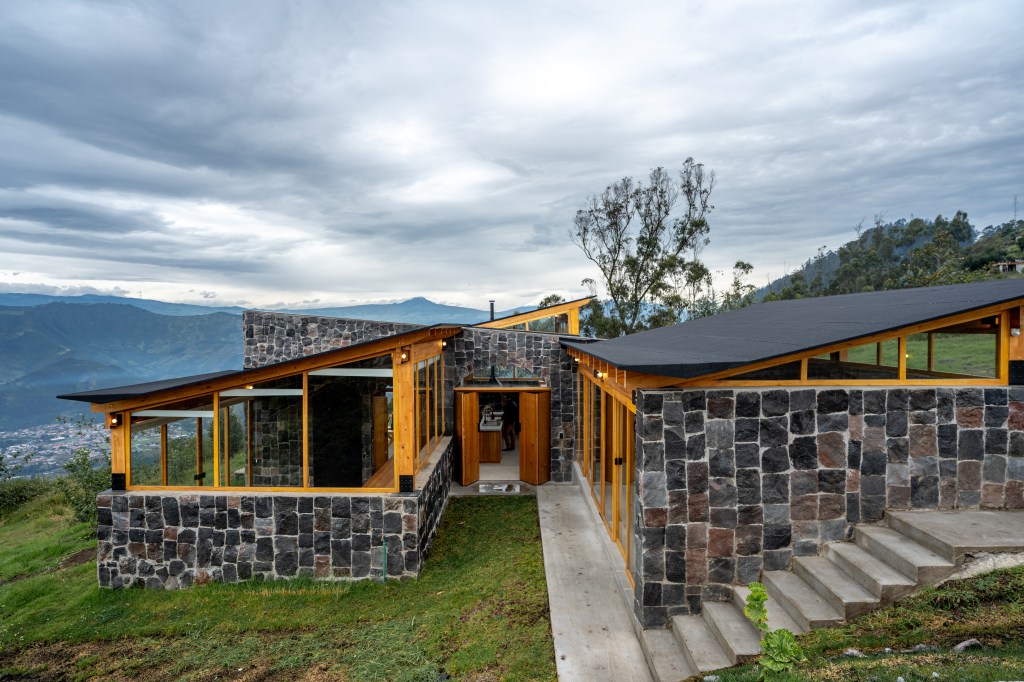
El proceso de diseño de Casa Cantera comenzó al comprender la topografía de su emplazamiento, sus oportunidades y sus dificultades. Parte de buscar cobijo y aprovechar la vista; planteando como estrategia principal: enterrarse. La casa utiliza la pendiente para hundirse hacia el oeste y abrirse hacia el este. Resuelve sus usos y almacenajes en los cortes del terreno, a través de tres naves que se encuentran conectadas por un corredor central que se impone a la pendiente de la montaña.
The land is located on a north-south ridge that allows a privileged view to the opposite sides. To the east, the valleys of Quito and the eastern mountain range; to the west, the consolidated plateau of the city. The enjoyment of this view is interrupted by the strong winds that blow from the eastern slope, making it difficult to stand at times.
The design process of Casa Cantera began with an understanding of the topography of the site, its opportunities and its difficulties. It begins by seeking shelter and taking advantage of the views, with the main strategy being to bury itself. The house takes advantage of the slope to sink to the west and open to the east. It resolves its uses and storages in the cuts of the land, through three naves connected by a central corridor that imposes itself on the slope of the mountain.

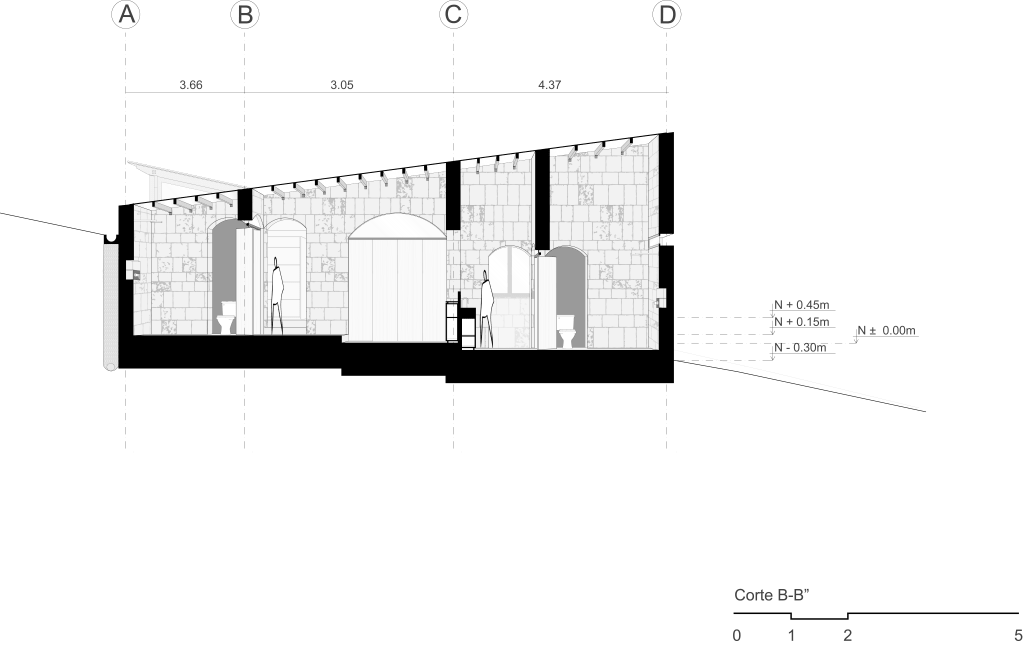
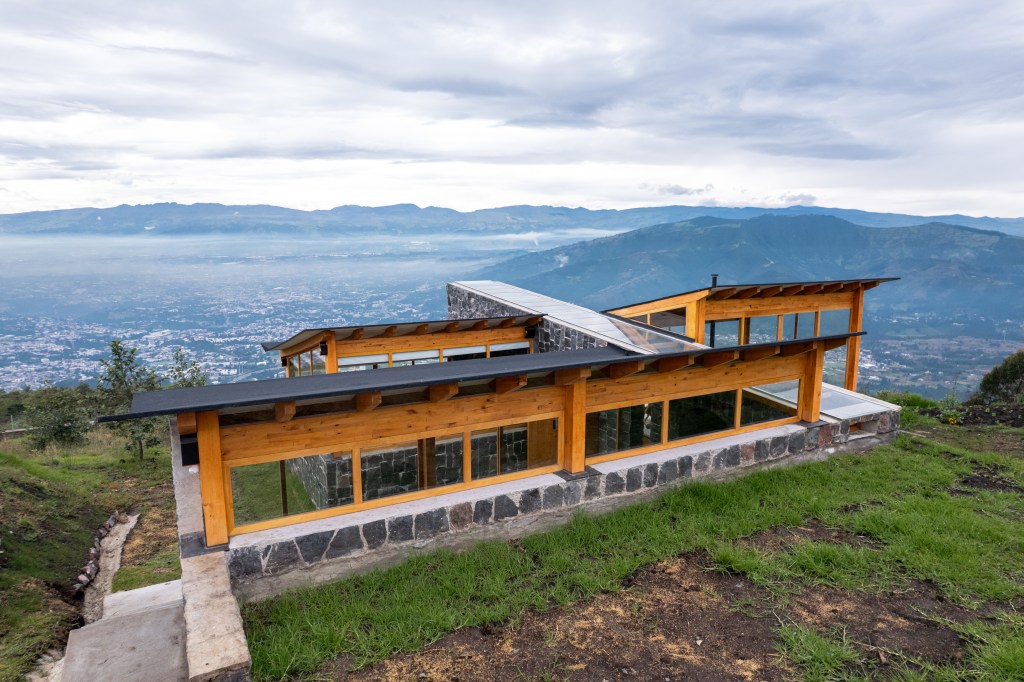
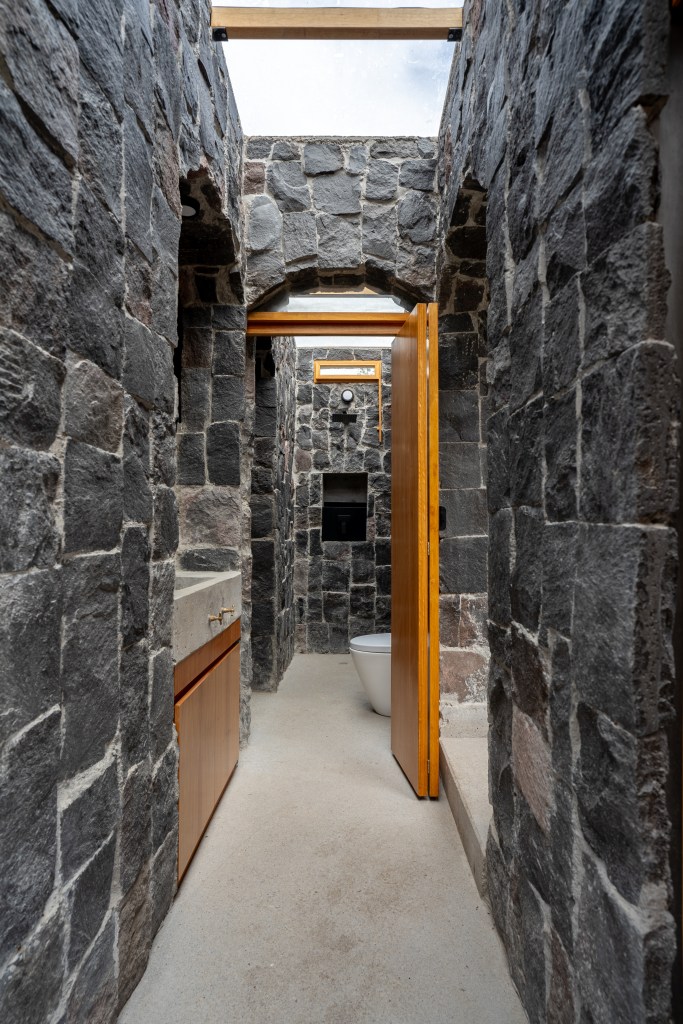
El corredor central se ubica en sentido este-oeste, compuesto por dos muros paralelos de piedra que encierran un espacio de 90 centímetros de ancho del que se proyectan, perpendicularmente, las 3 naves: la del área social, la del dormitorio principal y la de los espacios complementarios. Este corredor alberga la circulación y los baños de la casa.
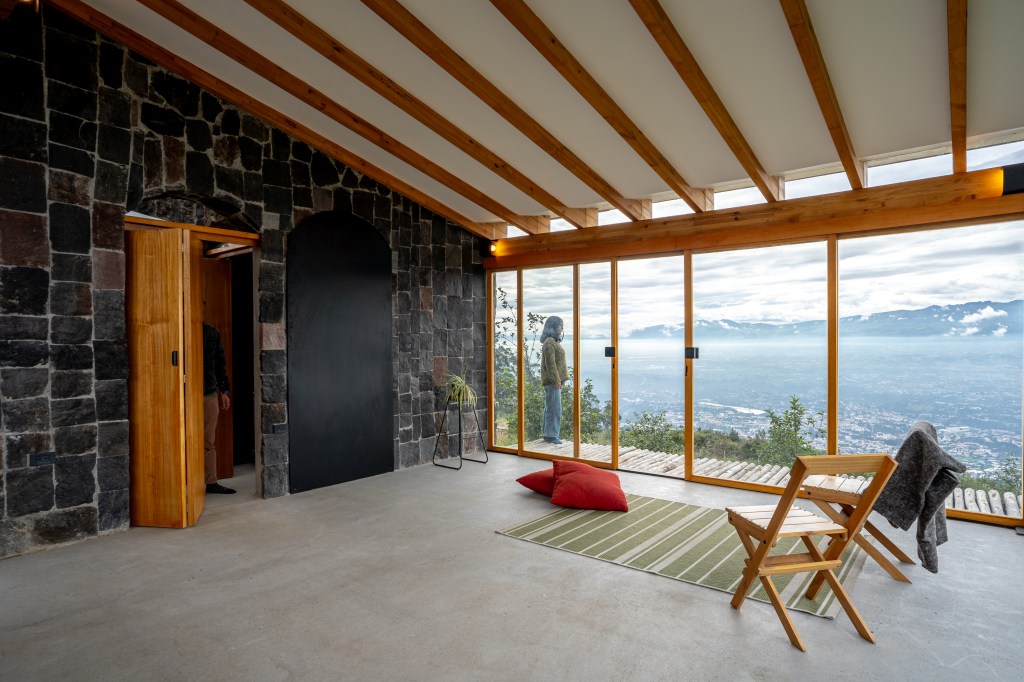
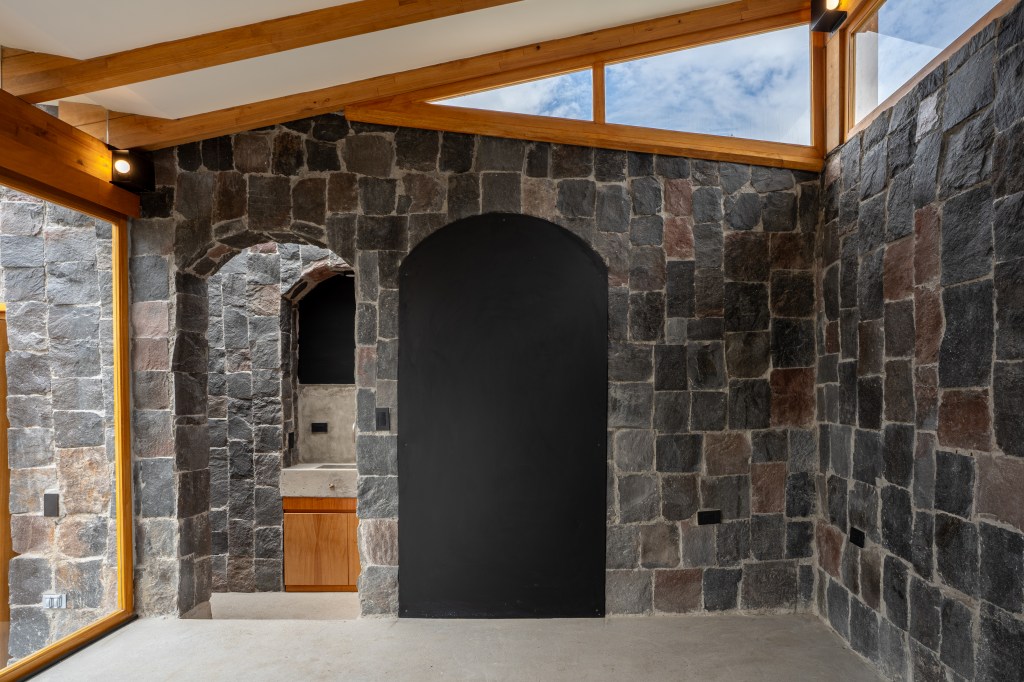
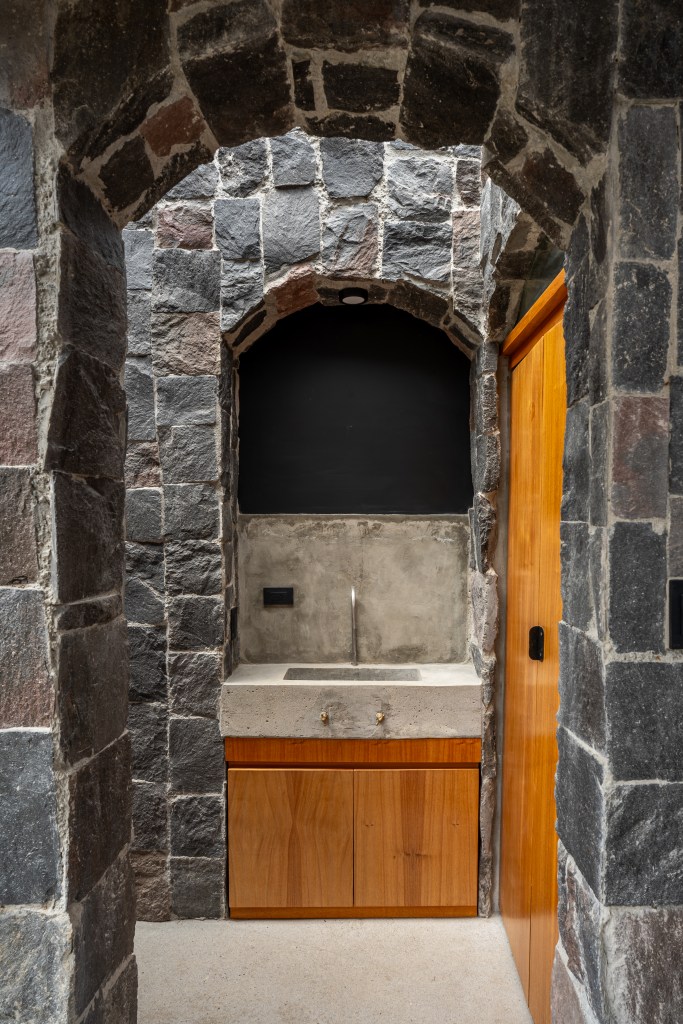
Los muros del corredor central se rompen con arcos que permiten atravesarlos para moverse por la casa. Los arcos se repiten cuando el espacio libre entre estos muros se vuelve insuficiente para los usos planteados, aumentan su ancho 30 centímetros de cada lado y liberan el espacio suficiente para inodoros y lavamanos.
The central corridor is located in an east-west direction and consists of two parallel stone walls that enclose a space 90 centimeters wide, from which the 3 naves project perpendicularly: the social area, the main bedroom and the complementary rooms. The circulation and the bathrooms of the house are located in this corridor.
The walls of the central corridor are broken with arches that allow movement through the house. The arches are repeated when the free space between these walls becomes insufficient for the proposed uses, increasing their width by 30 centimeters on each side and leaving enough space for toilets and sinks.

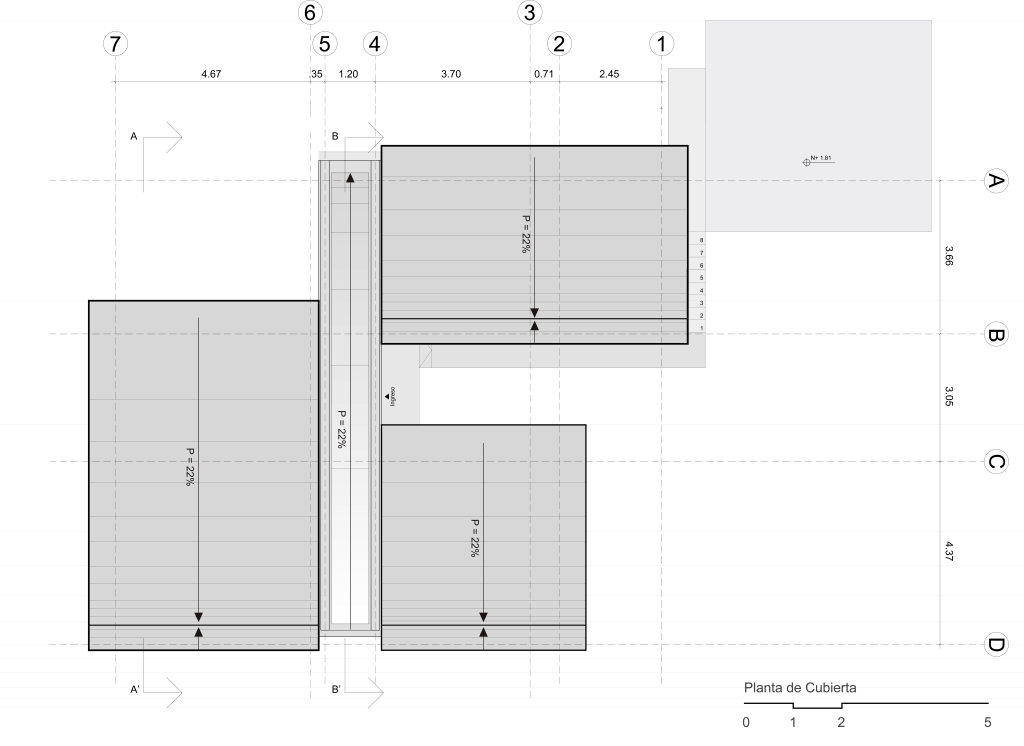
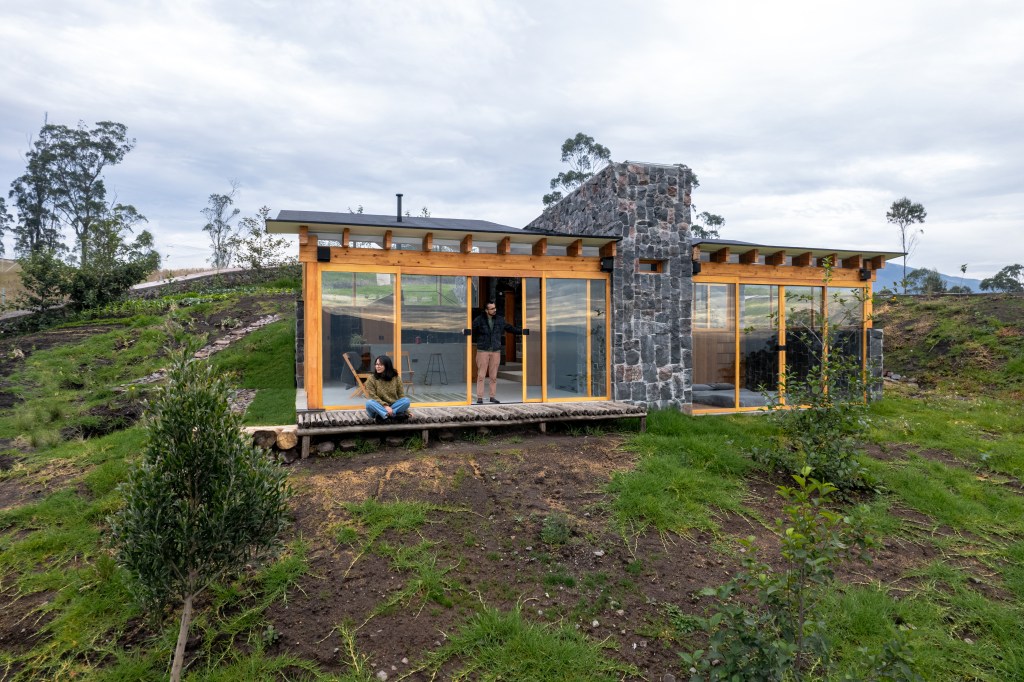
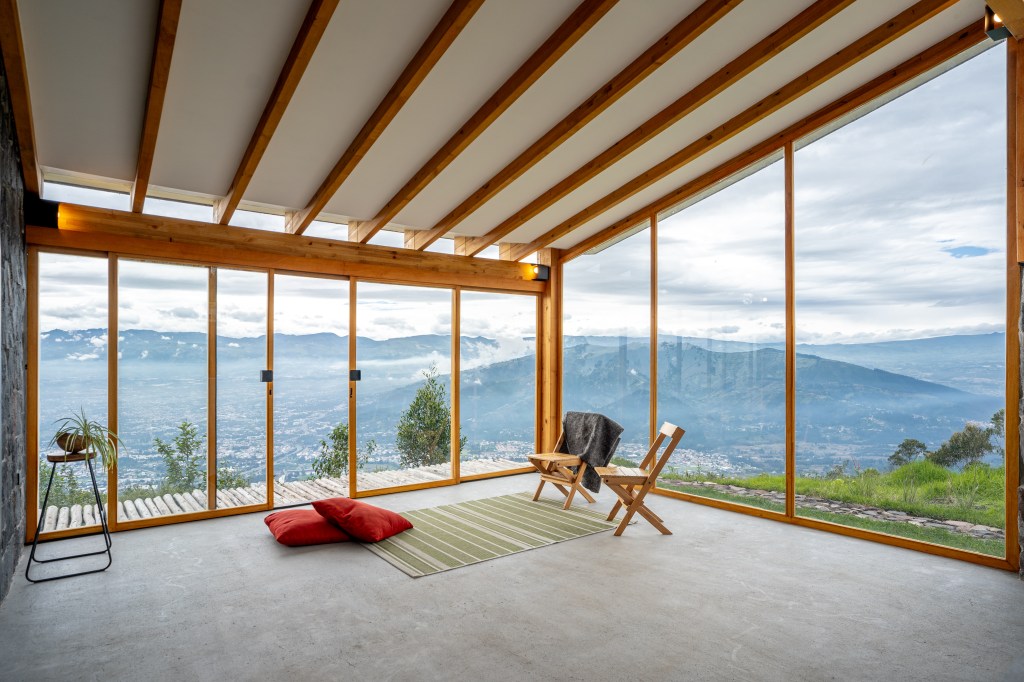
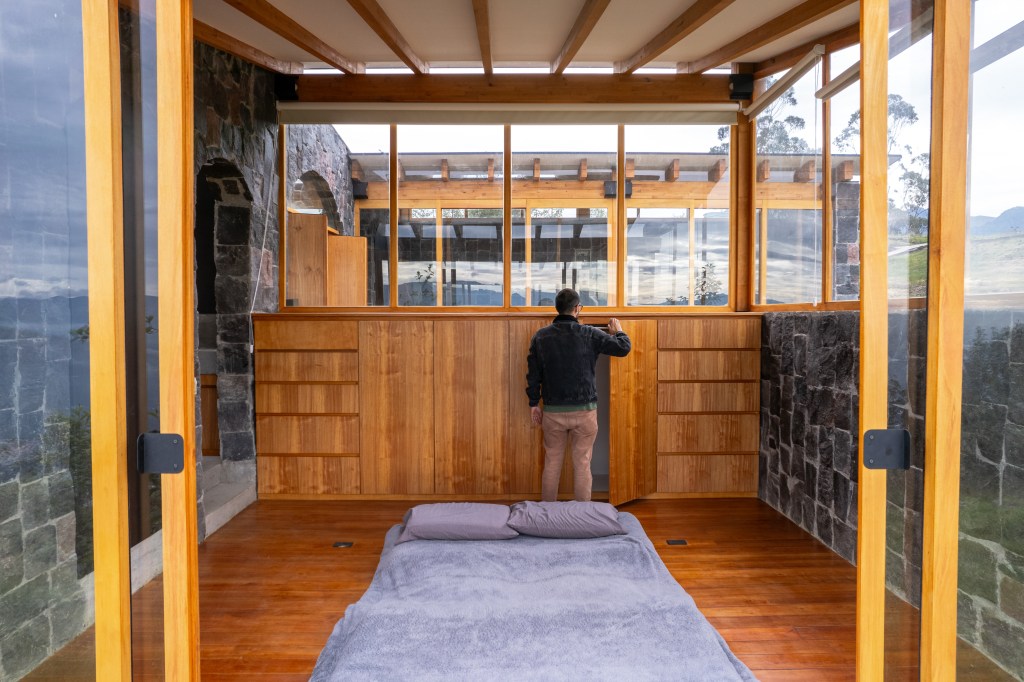
Los espacios de cada nave se abren al este y sus almacenamientos se apoyan en las contenciones de piedra del lado contrario. Las cubiertas de estas naves son ligeras estructuras de madera laminada de pino que, siguiendo la inclinación del terreno, permiten que el viento pase sobre ellas y abren conexiones al oeste, sobre las contenciones y los almacenamientos.
Estas naves permiten el aparecimiento de intersticios externos que se convierten en lugares al reparo de las fuertes corrientes de viento, en donde se pueden sembrar huertos. La vivienda permite la recolección y almacenamiento de las aguas lluvias, además posee su propio sistema de tratamiento de aguas grises y negras que nutren el terreno.
The spaces of each nave open to the east, and their storage areas are supported by the stone retaining walls on the opposite side. The roofs of these naves are made of light pine laminated wood, structures that, following the slope of the terrain, allow the wind to pass over them and open connections to the west, over the retaining walls and storages.
These buildings allow the appearance of external spaces that become places protected from strong wind currents, where vegetable gardens can be planted. The house allows the collection and storage of rainwater and has its own system for the treatment of grey and black water that nourishes the land.
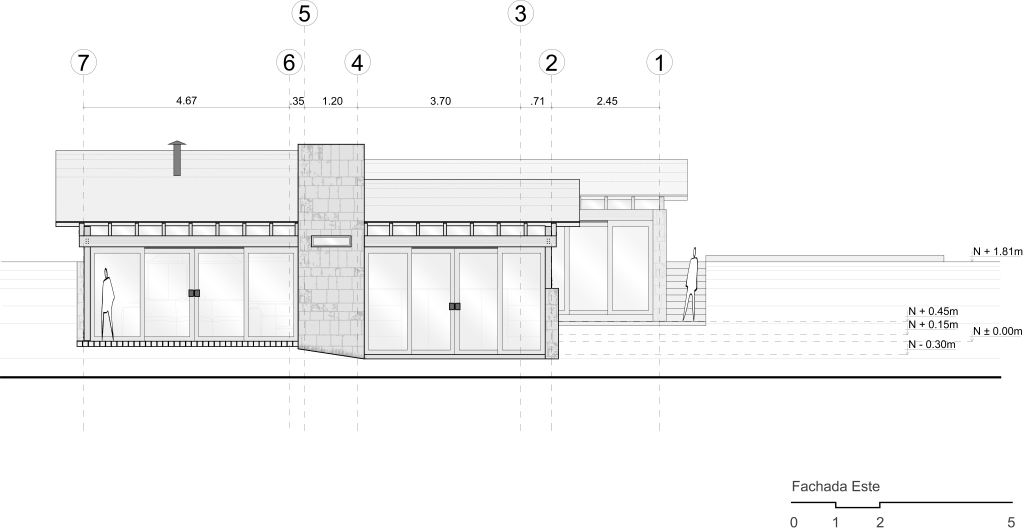
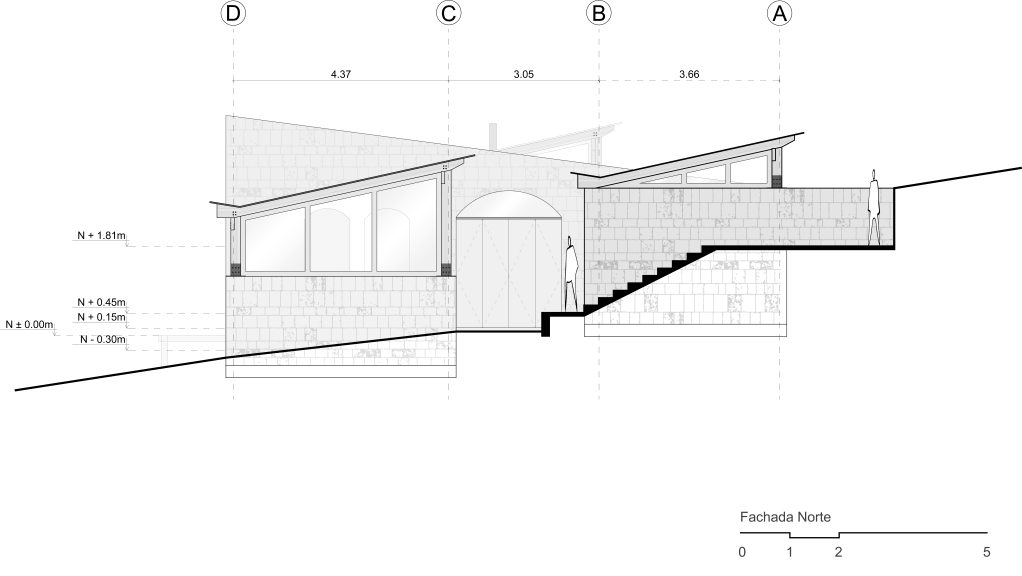
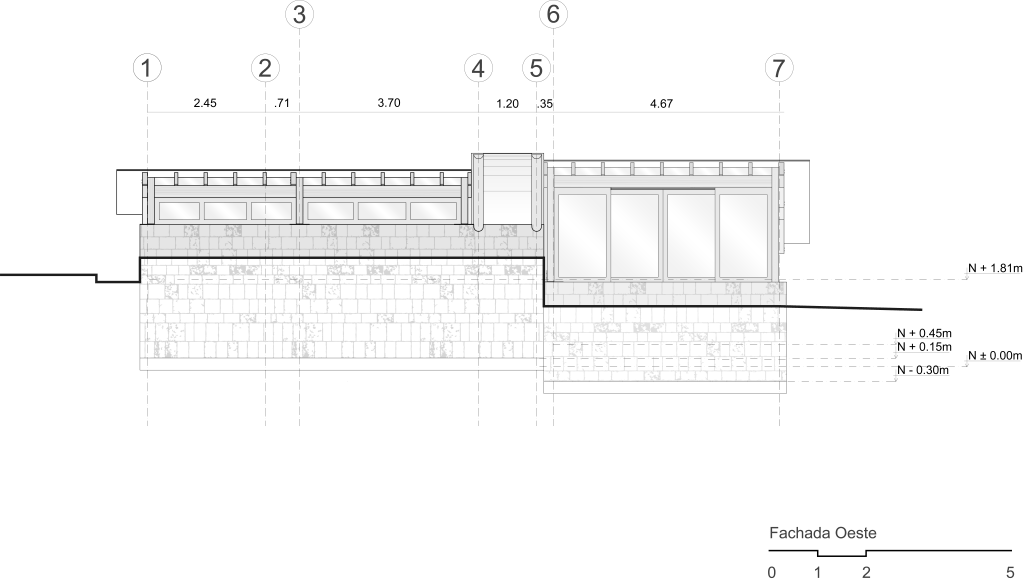
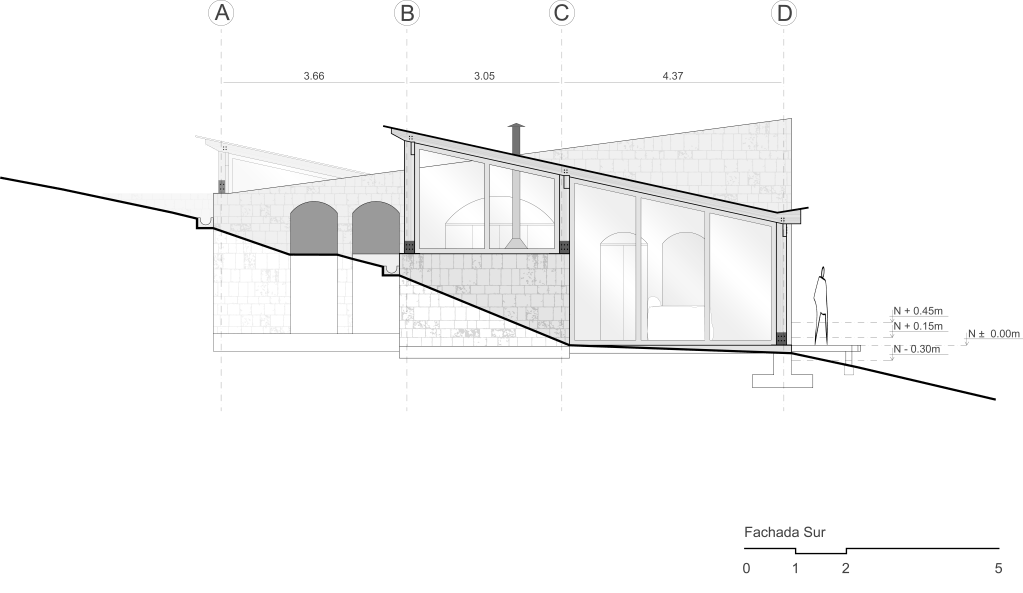
Los muros y las contenciones se resuelven con piedras apiladas con juntas de hormigón y una ligera armadura central de acero. Los contrapisos son la continuación de las zapatas de hormigón de muros y contenciones, pulidos y sellados; rehundidos en dormitorios para permitir la colocación de duelas de eucalipto que aportan calidez a estos espacios. Los demás cierres son de vidrio, incluida la cubierta del corredor central, que busca que los espacios más reducidos y de uso íntimo, reciban luz natural y tengan una relación directa con el cielo. Cada espacio de la casa mantiene su conexión con el exterior a través de mamparas de cristal, que permiten sumar área de jardín a cada habitación y conectan la casa constantemente con la montaña.
The walls and retaining walls are made of stacked stones with concrete joints and a light central steel reinforcement. The floors are a continuation of the concrete foundations of the walls and retaining walls, polished and sealed; they are recessed in the bedrooms to allow the placement of eucalyptus staves that give warmth to these spaces. The rest of the enclosures are made of glass, including the roof of the central corridor, which aims to ensure that the smaller and more intimate spaces receive natural light and have a direct relationship with the sky. Each room of the house maintains its connection to the outside through glass partitions that add garden space to each room and constantly connect the house to the mountain.





 tallergeneral.com