
Proyecto/Project: Somos Páramo
Autoría/Author: Taller General
Colaboradores/Collaborators: Teodoro Barros, Sarah Vásconez, Sofía Arcos, Noelia Vanegas, Santiago León.
Año de diseño/Design year: 2023-2024
Año de construcción/Construction year: 2023-2024
Ubicación/Location: “Yaku” museo del agua de Quito
Fotografías/Pictures: Andrés Villota
[….] [dicen] que el páramo es un terreno yermo, raso y desabrigado¨. Yermo o sea inhabitado, que es mentira porque allá vive muchísima gente de muchísimas especies diferentes. Raso, o sea, plano, que es mentira porque allá hay terrenos ondulados y riscos y montañas. Y lo de desabrigado es lo más incomprensible, porque si existe un lugar bien abrigado ese lugar es el páramo: los animales son peludos, las hojas y los pétalos de las flores son peludos, las rocas llenas de musgos y líquenes parecen peludas también, y hasta la neblina, a pesar de que es fría, se siente a veces como un abrigo, como una cobija que cubre la montaña¨
(Matija, Mariana, 2023)
[….] [They say] that the Páramo is a barren, arid and uninhabited land. Yermo, that is, uninhabited, which is a lie, because many people of many different species live there. Raso, which means flat, which is a lie because there are hills, cliffs and mountains. And the most incomprehensible thing is that it is not sheltered, because if there is a sheltered place, it is the páramo: the animals are furry, the leaves and petals are furry, the rocks full of moss and lichen seem furry too, and even the fog, although it is cold, sometimes feels like a coat, like a blanket covering the mountain’
(Matija, Mariana, 2023).
El “Yaku” Museo del Agua de Quito cuenta con varias exposiciones que abordan distintas temáticas alrededor del agua. En 2022 se planteó generar una exposición fundamentada en la investigación Somos Páramo, realizada por Agronomes & Vétérinaires Sans Frontières, un estudio a nivel local sobre la Gestión Sustentable de los Páramos (ecosistema de montaña que se desarrolla por encima de los bosques andinos, a alturas que pueden ser superiores a los 3,000 metros sobre el nivel del mar).
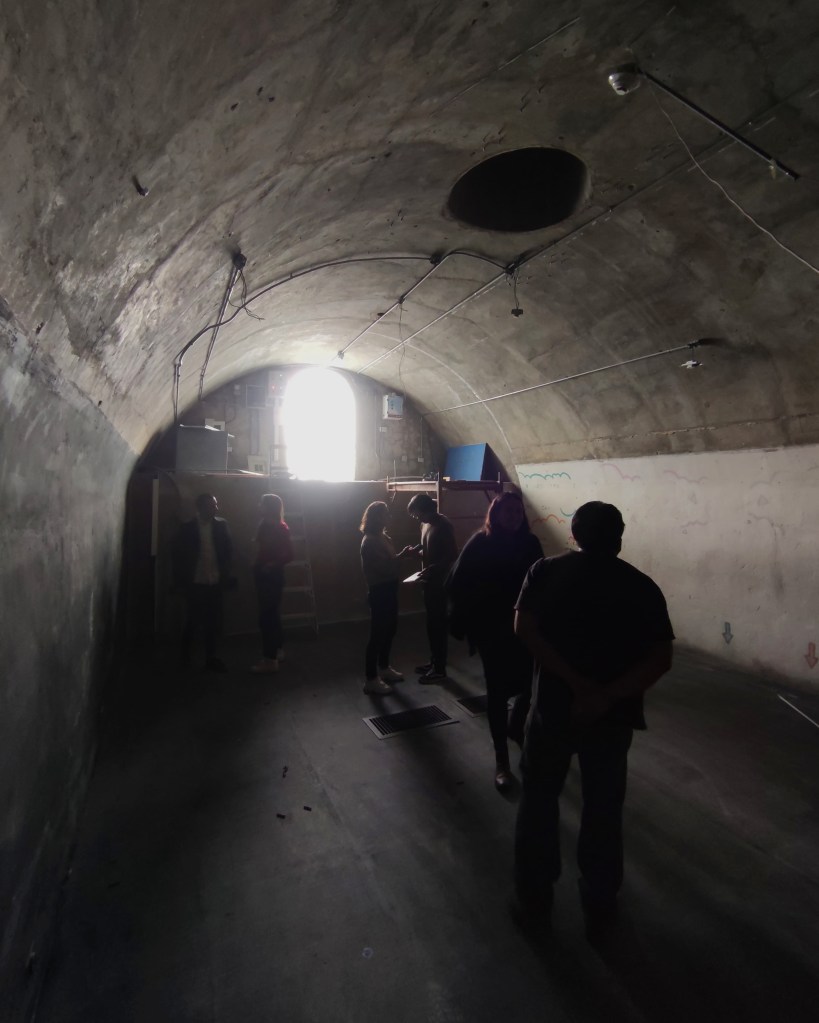
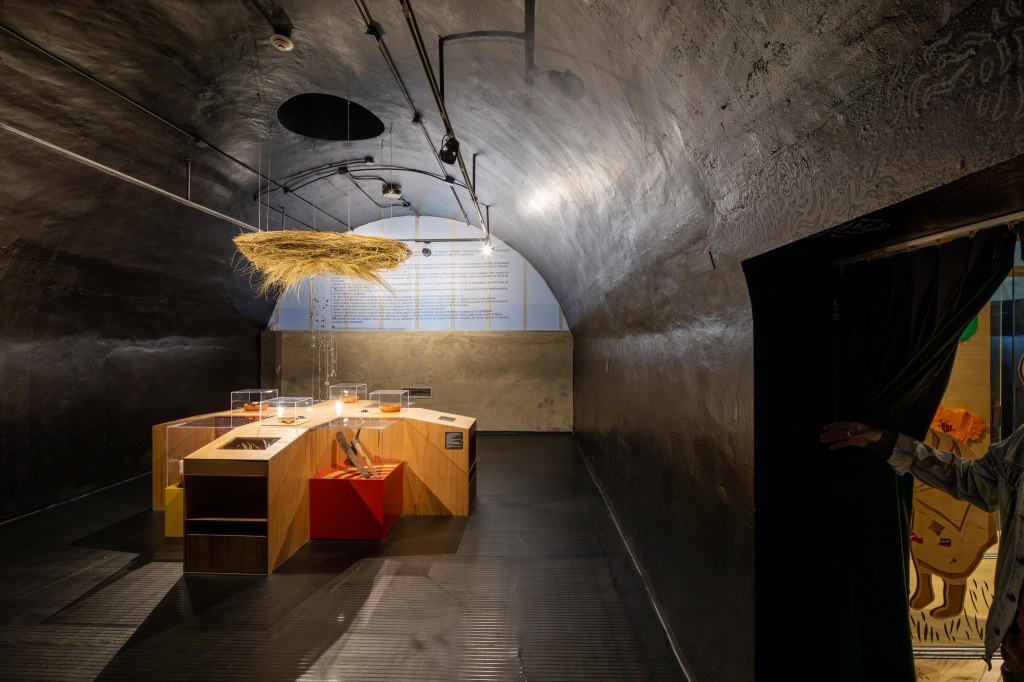
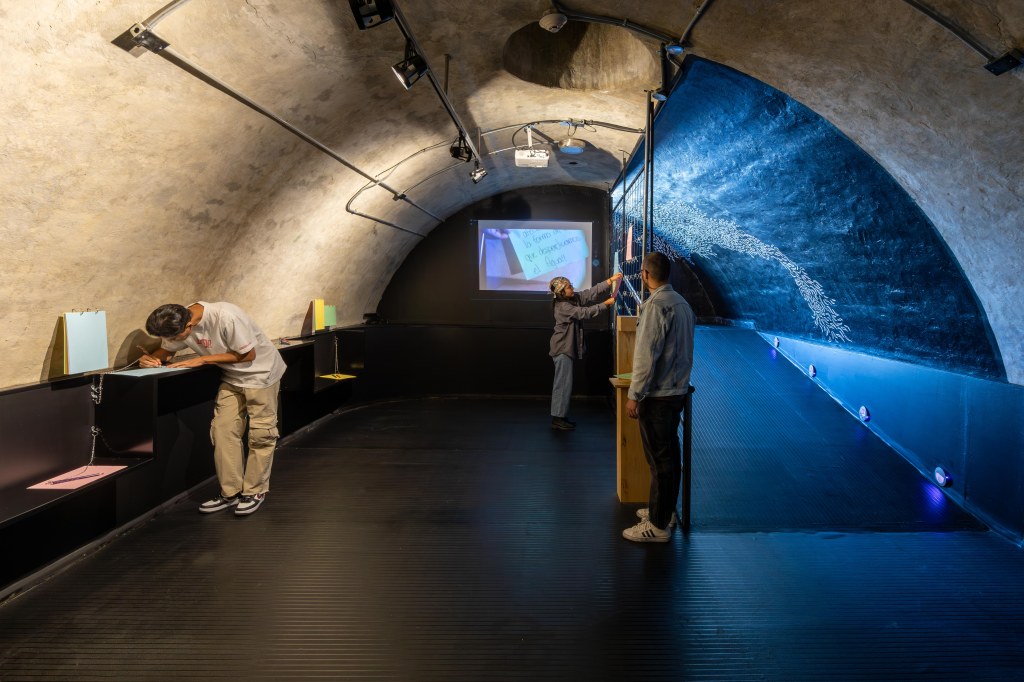
Se nos encarga la conceptualización, el diseño museológico, el diseño museográfico y el montaje de esta exposición que se ubica en los seis antiguos tanques de almacenamiento de agua para la ciudad de Quito, que ahora funcionan como salas de exposición del museo y fueron construidas en hormigón armado.
Nuestro accionar se centra en la traducción de una extensa investigación académica a mensajes concretos que puedan ser fácilmente comunicados a un público diverso. Trabajamos con varias escalas de información, que busca atender a los distintos grupos etarios, así como a las distintas dinámicas y temporalidades de cada visita. Organizamos el espacio de modo que permita la construcción de un discurso propio en cada visitante.
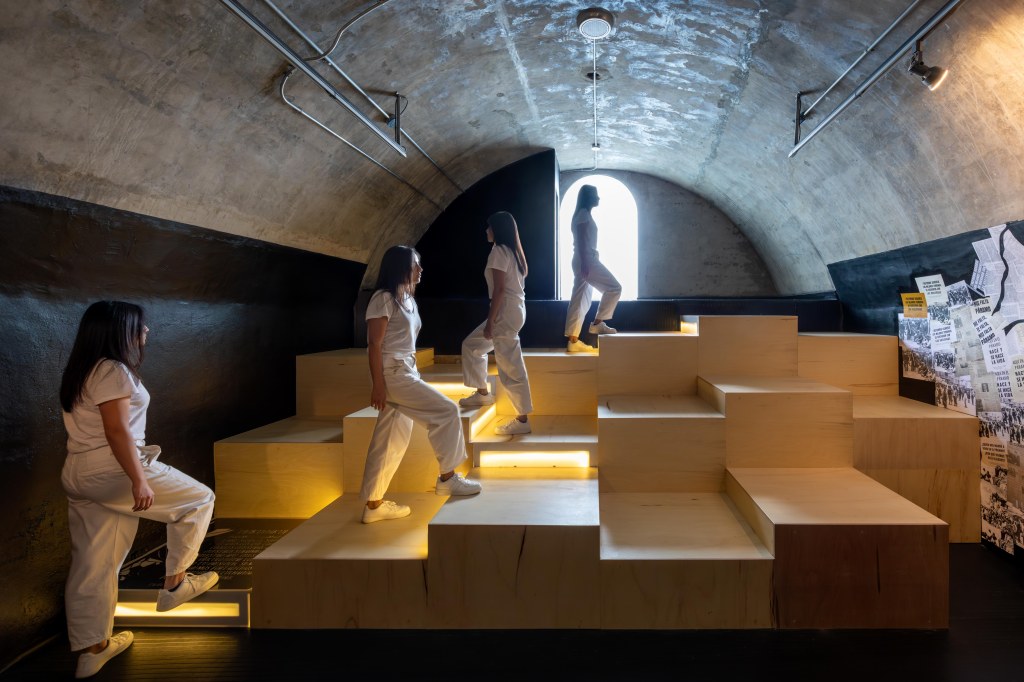
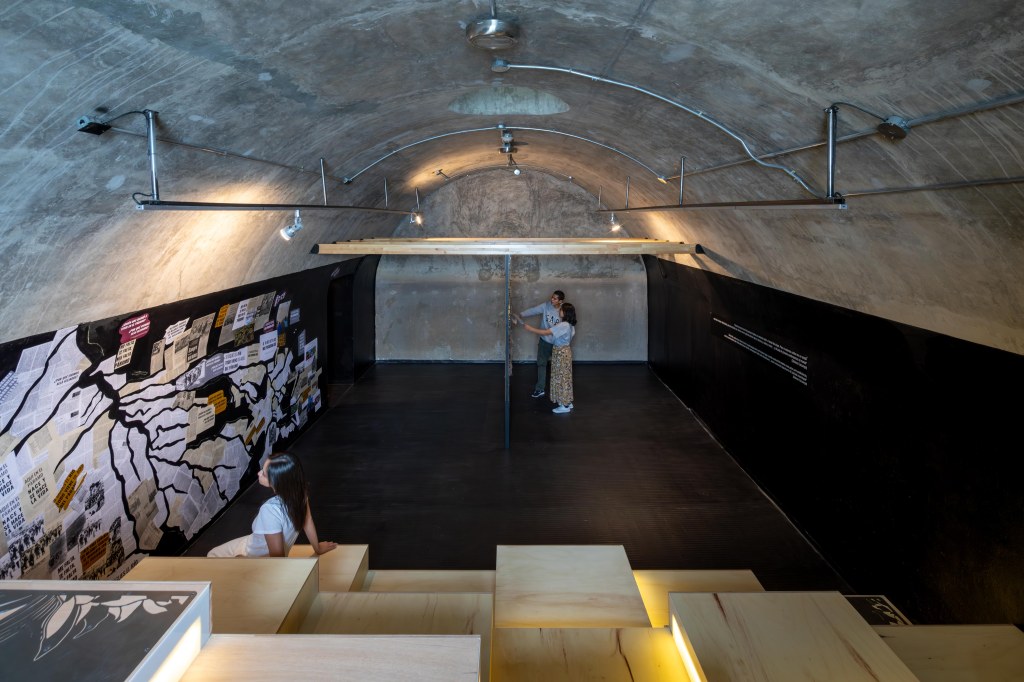
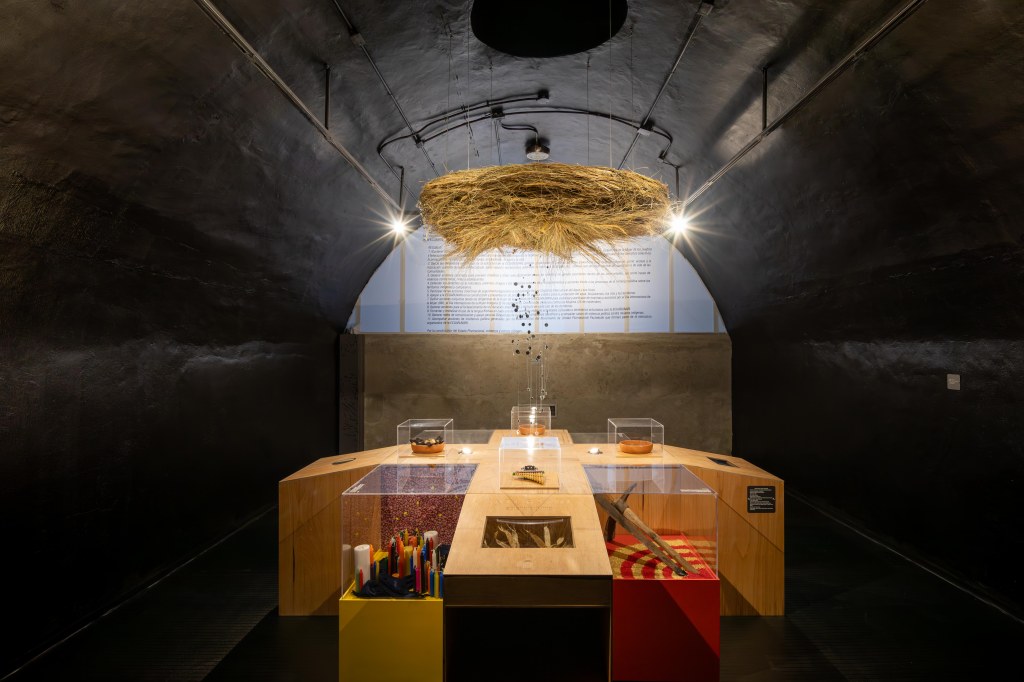
Para esto, aprovechamos la espacialidad y materialidad de los contenedores de la exposición, los antiguos tanques de agua conformados por seis bóvedas de hormigón conectadas entre sí por pequeños vanos. Planteamos liberarlas de todo recubrimiento y mostrarlas tal cual fueron construidas, aprovechando la penumbra y frivolidad del hormigón crudo y utilizando la memoria de su uso en el discurso de la exposición.
The «Yaku» Water Museum in Quito has several exhibitions on different topics related to water. In 2022, the idea was to create an exhibition based on the Somos Páramo research carried out by Agronomes & Vétérinaires Sans Frontières, a local study on the sustainable management of the Páramos (a mountain ecosystem that develops above the Andean forests at altitudes of up to 3,000 metres above sea level).
We have been entrusted with the conception, museological design, museographic planning and installation of this exhibition, which is housed in six former water tanks for the city of Quito, now used as the museum’s exhibition spaces.
Our action focuses on translating extensive academic research into concrete messages that can be easily communicated to a diverse audience. We work with different scales of information, in order to accommodate different age groups, as well as the different dynamics and temporalities of each visit. We organise the space in a way that allows for the construction of each visitor’s own discourse.
We took advantage of the spatiality and materiality of the exhibition containers, the old water tanks made up of six concrete vaults connected by small openings. We proposed to free them from any covering and show them as they were built, taking advantage of the penumbra and frivolity of the raw concrete and using the memory of its use in the exhibition discourse.


“Somos páramo, agua que vincula territorios” busca transmitir a sus visitantes los siguientes mensajes centrales:
- El páramo es un ecosistema biodiverso que no es uniforme y en sus particularidades se pueden identificar más de diez tipos de páramos a lo largo y ancho del territorio ecuatoriano. Éstas áreas se han modificado a lo largo del tiempo, actualmente hay un amplio número de poblaciones que habitan los páramos así como también animales y plantas.
- Las poblaciones que habitan el territorio de Páramo ecuatoriano han atravesado distintos procesos históricos de lucha y resistencia.
- Actualmente el Páramo ecuatoriano del cual se provee de agua dulce a todo el país, recibe constantes amenazas antrópicas y naturales ante las cuales presenta resistencias la exposición busca polemizar.
Se organizan los elementos museables en las primeras 5 salas, alrededor de 5 temáticas que culminan en la sexta sala, destinada a los procesos educativos que desarrolla el museo.
- El Páramo y sus representaciones
- ¿Quiénes habitan los Páramos?
- Uso y responsabilidad colectiva
- Gestión Comunitaria y rol de los pueblos en el manejo de agua
- Páramo y Género
“Somos páramo, agua que vincula territorios» (We are moorland, water that connects territories) seeks to convey the following key messages to its visitors:
- The páramo is a biodiverse ecosystem that is not uniform, and in its particularities more than ten types of páramo can be identified throughout the Ecuadorian territory. These areas have been modified over time and currently there are a large number of populations, animals and plants that inhabit the páramo.
- The populations that inhabit the Ecuadorian Páramo territory have gone through different historical processes of struggle and resistance.
- Currently, the Ecuadorian Páramo, which provides fresh water for the whole country, is under constant anthropic and natural threats, which the exhibition seeks to polemicise against.
The elements of the museum are organised in the first 5 rooms around 5 themes that culminate in the sixth room, dedicated to the educational processes developed by the museum.
- The Páramo and its representations
- Who lives in the Páramo?
- Use and collective responsibility
- Community management and the role of the people in water management
- Páramo and gender
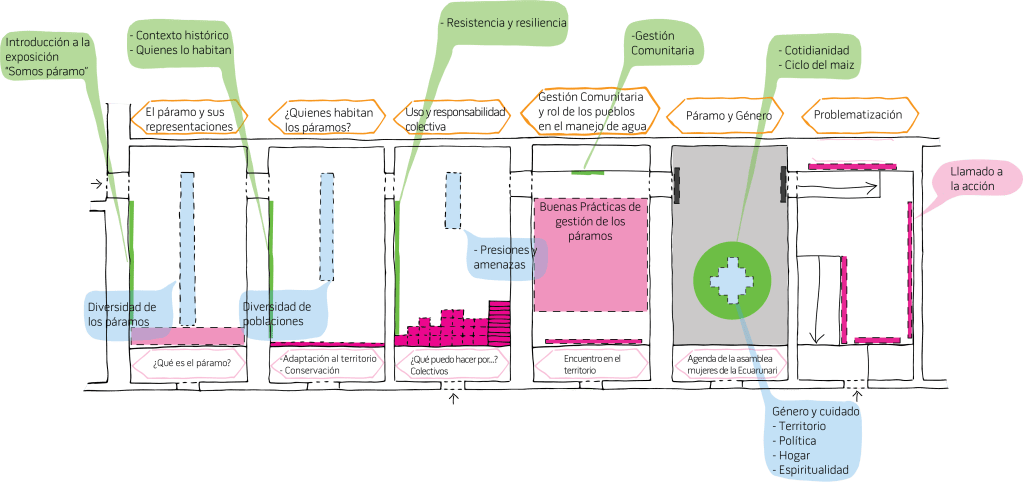
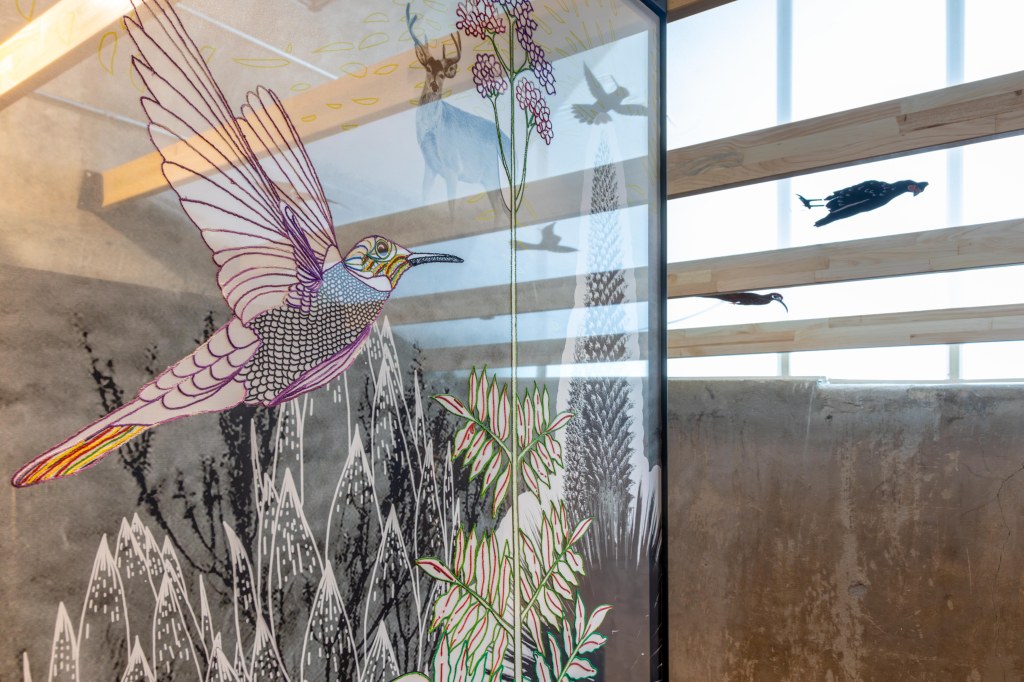
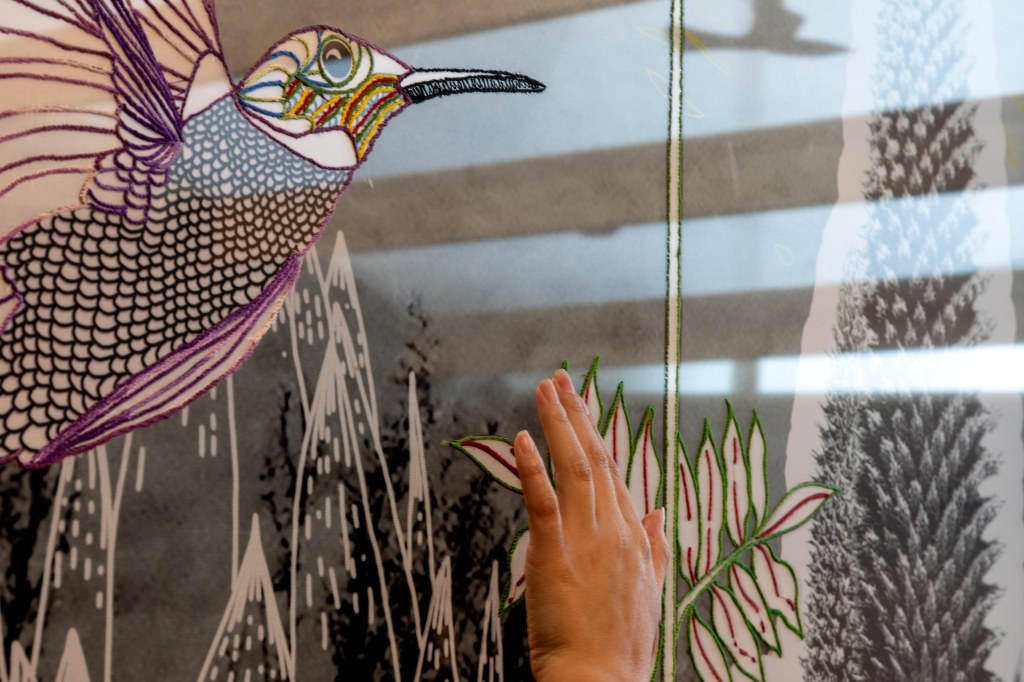
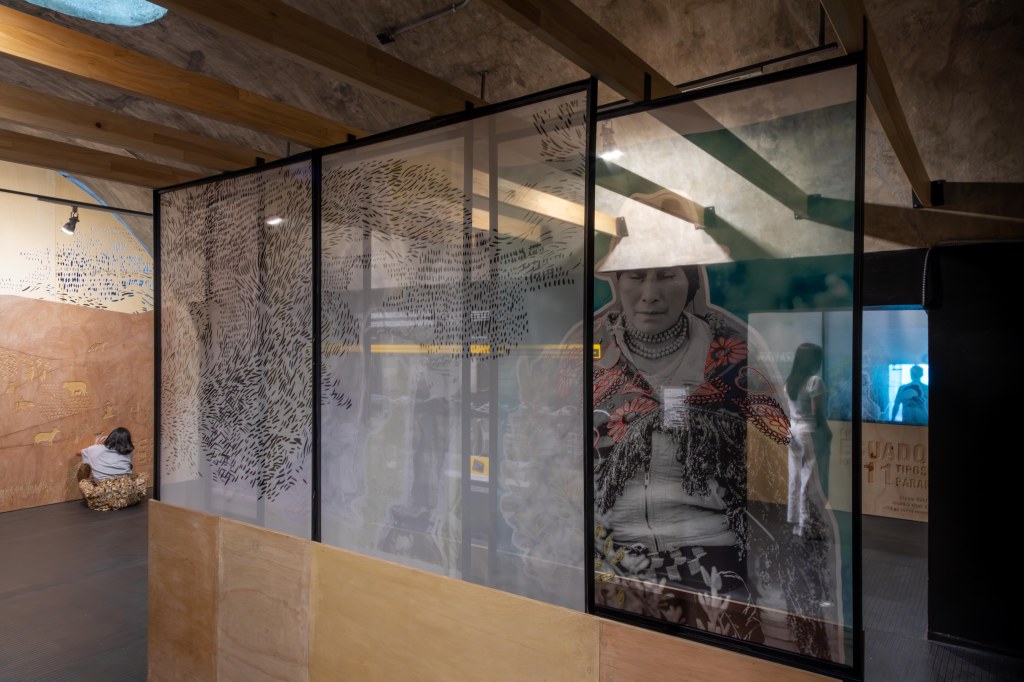
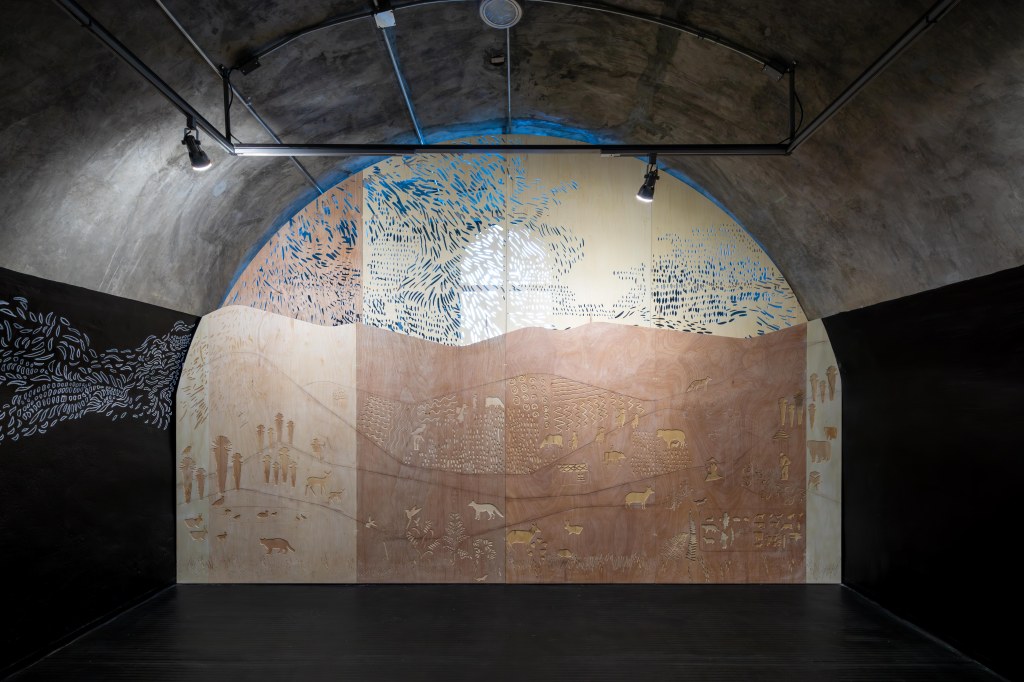
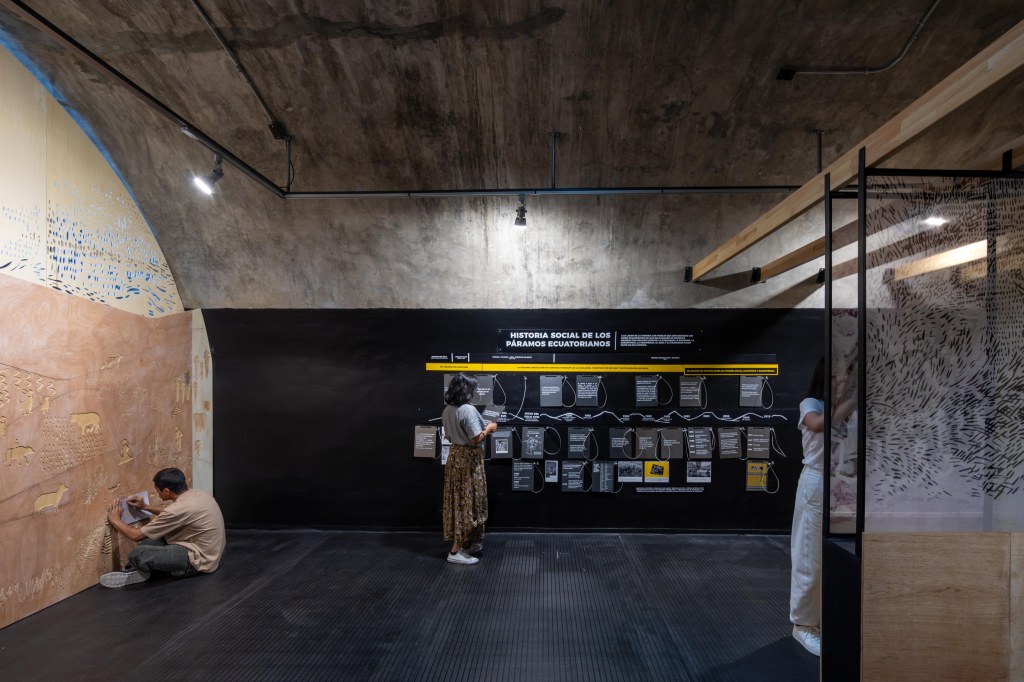
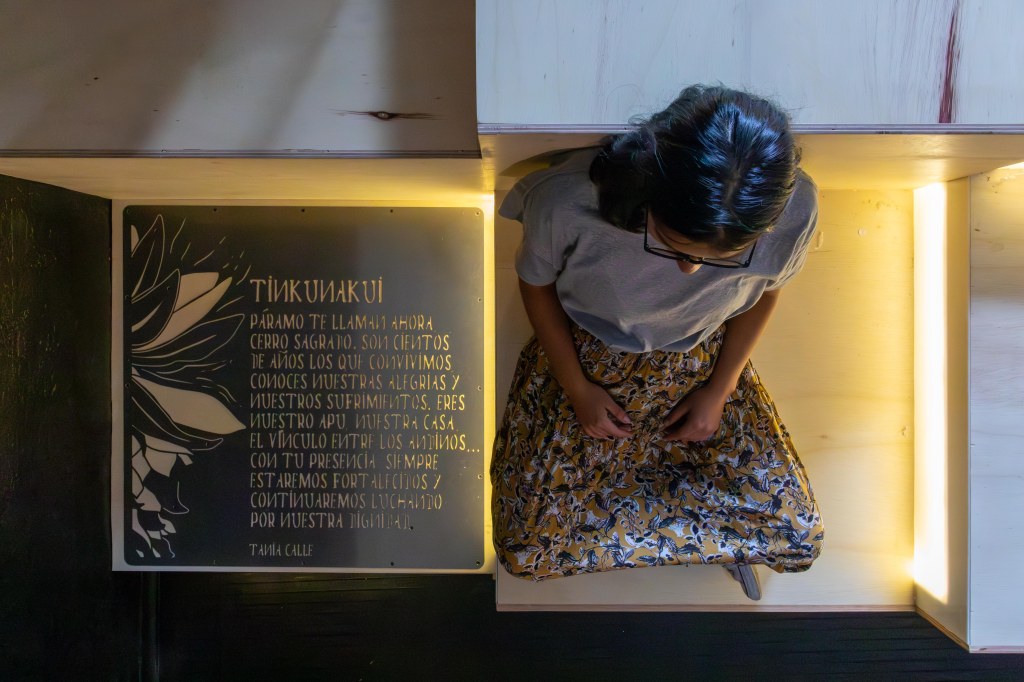
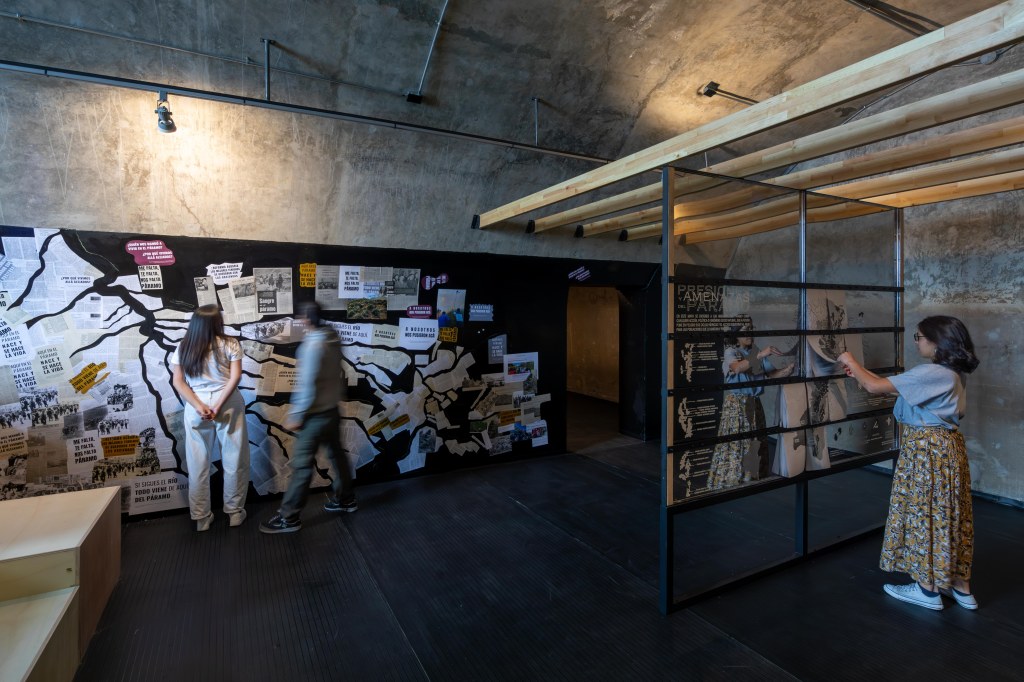
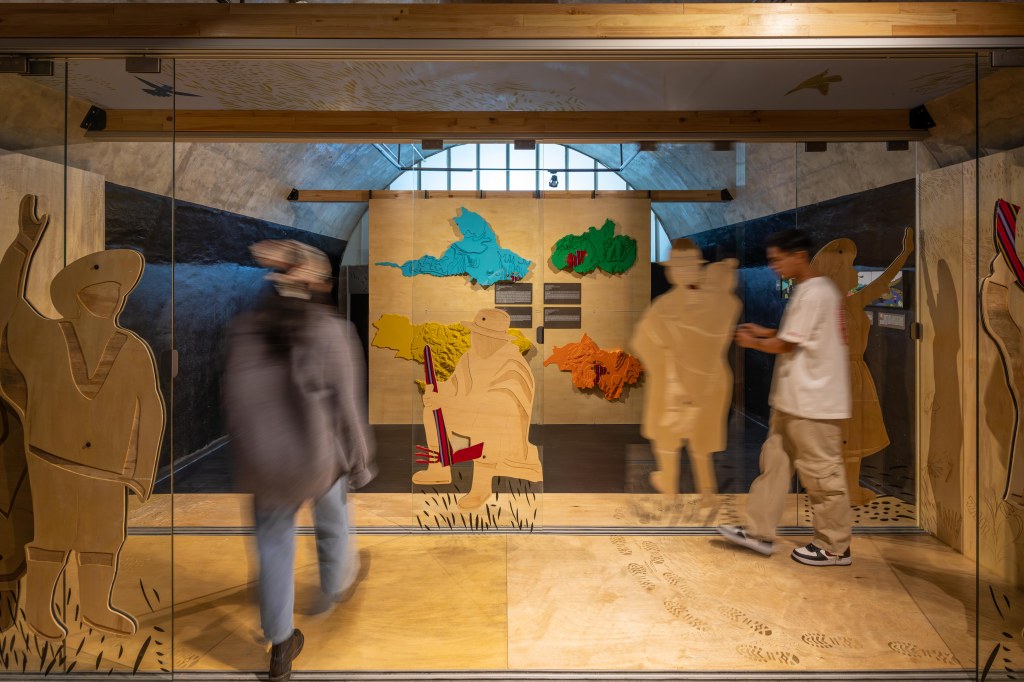
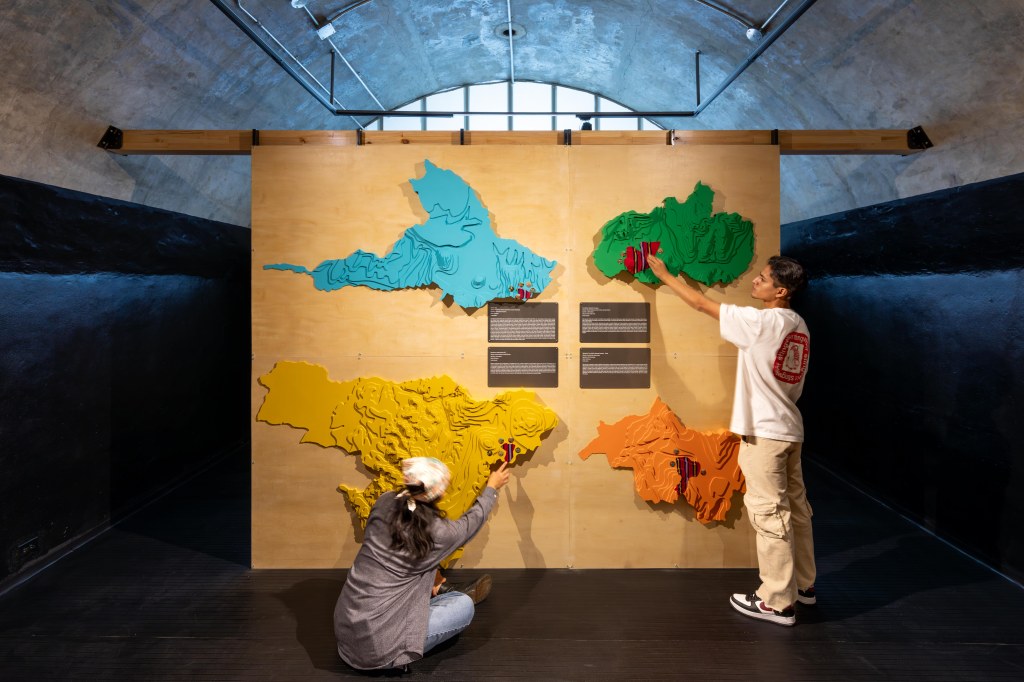
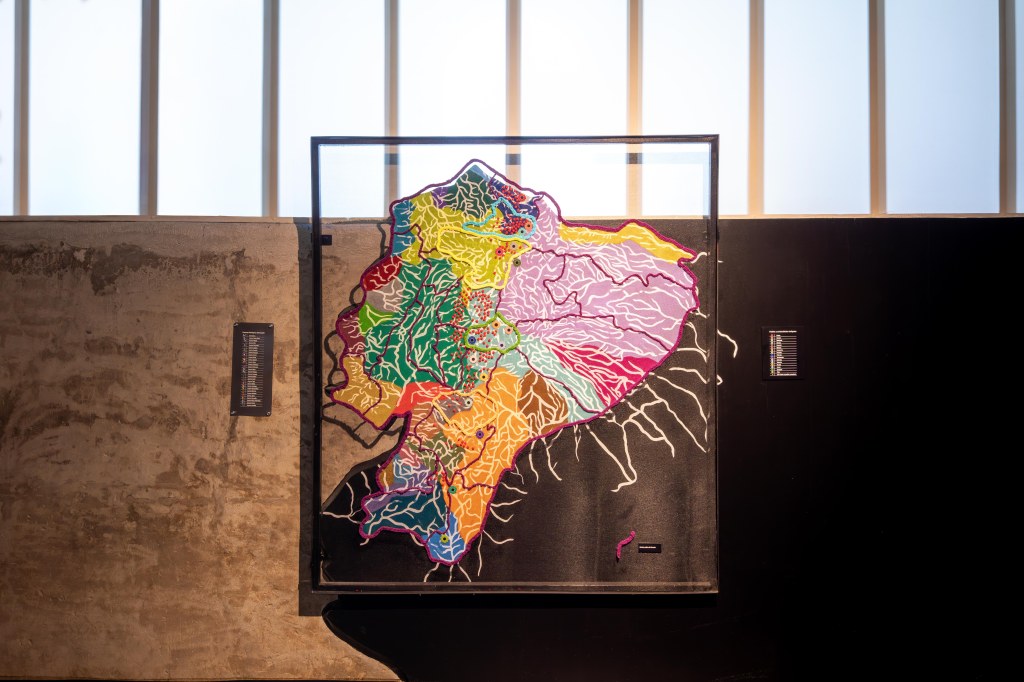
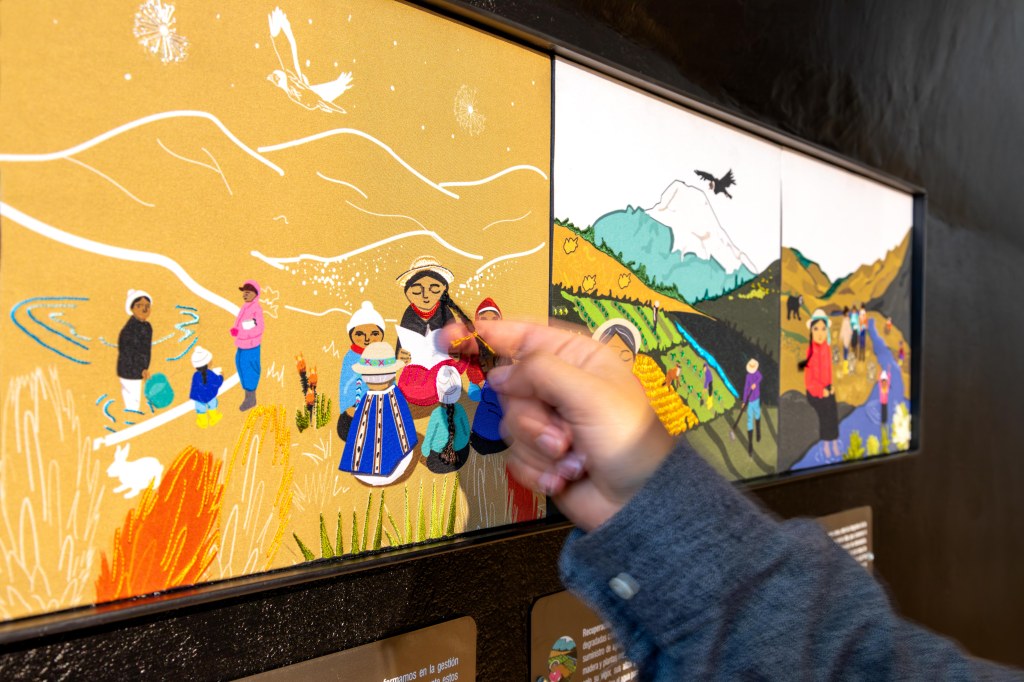
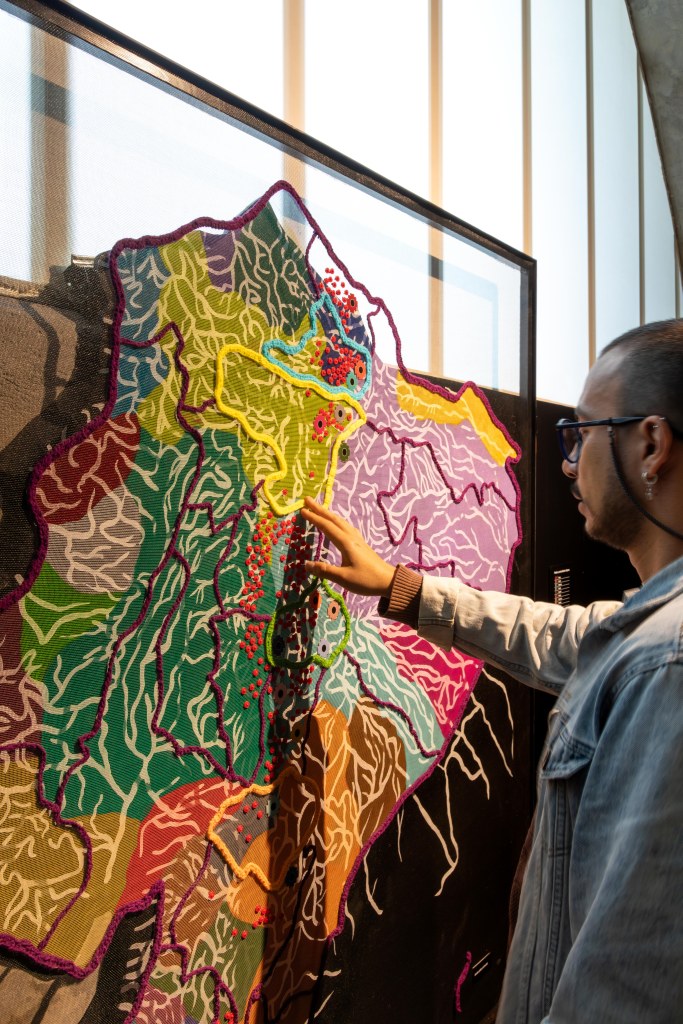
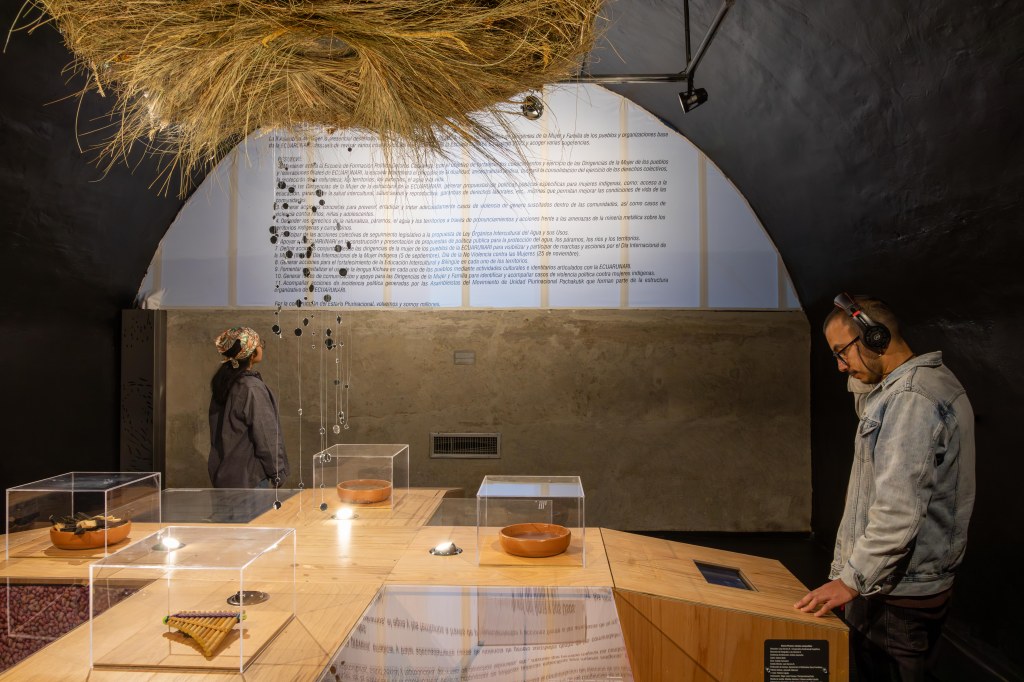
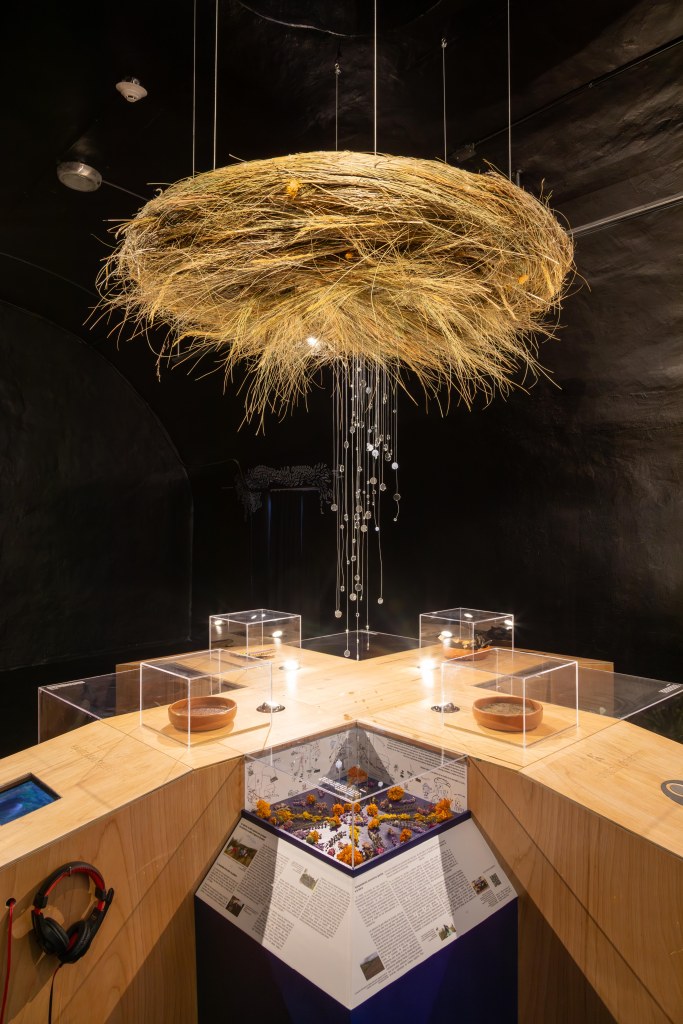
Los contenidos de la investigación se materializan en distintos elementos que conforman las six salas. Estos elementos buscan organizar el espacio y las maneras de recorrerlo, además de transmitir información por su propia presencia y materialidad. Utilizamos madera, telas traslucidas, mallas, bordados, materiales reflectantes, paja, etc. Buscando transportar a los visitantes, desde una perspectiva escenográfica, al Páramo. Permitiendo la interacción con cada elemento, volviendo a lxs visitantes, parte de la exposición.
The content of the research is materialised in various elements that make up the six rooms. These elements seek to organise the space and the ways in which it is traversed, as well as to convey information through their very presence and materiality. We use wood, translucent fabrics, mesh, embroidery, reflective materials, straw, etc. Our aim is to transport the visitor to the Páramo from a scenographic point of view. To allow interaction with each element, making the visitor part of the exhibition.
Sala 1 / Room 1
El Páramo y sus representaciones / The Páramo and its representations

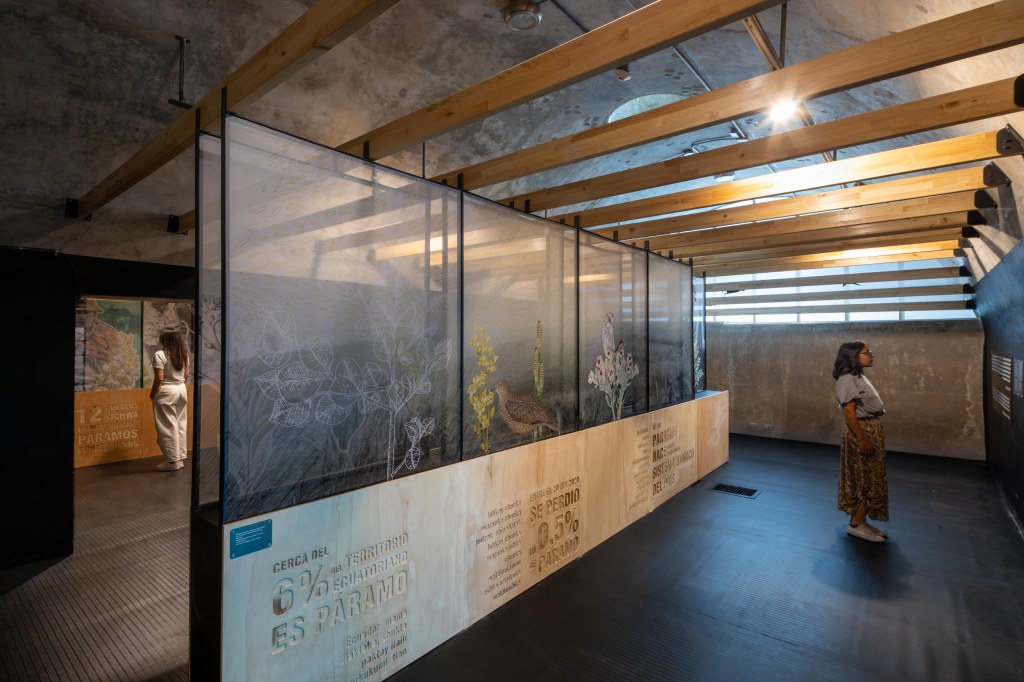
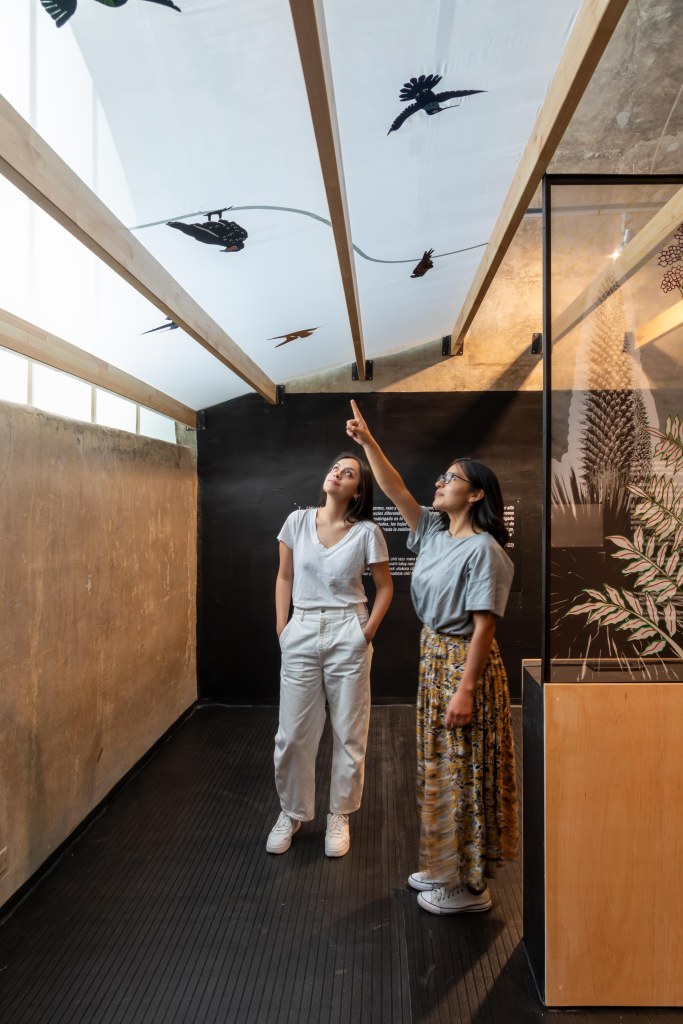
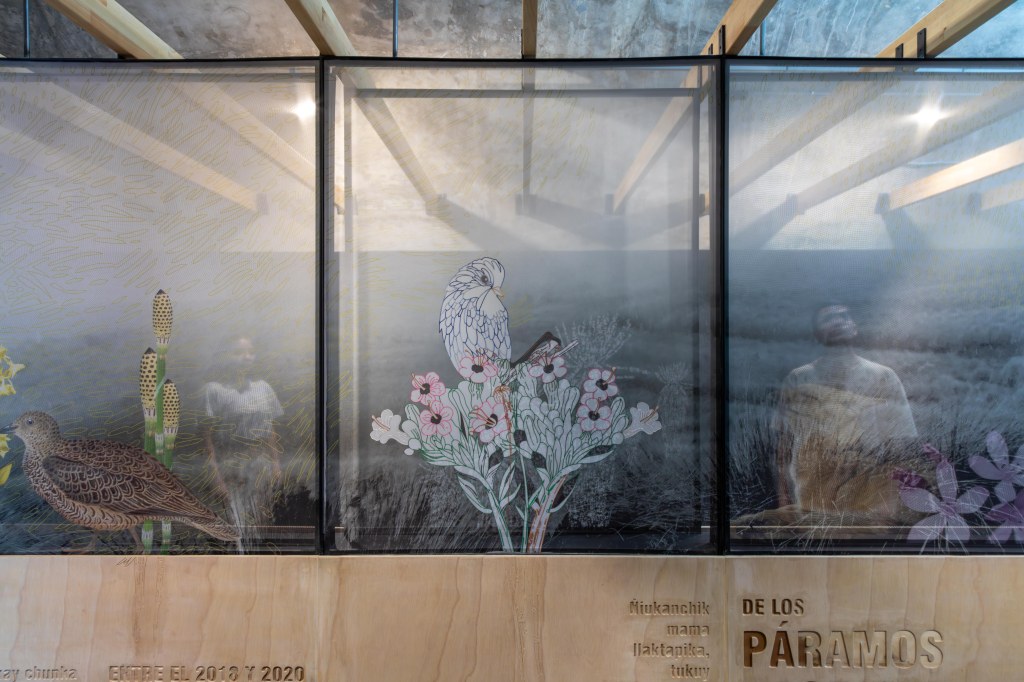
Sala 2 / Room 2
¿Quiénes habitan los Páramos? / Who lives in the Páramo?
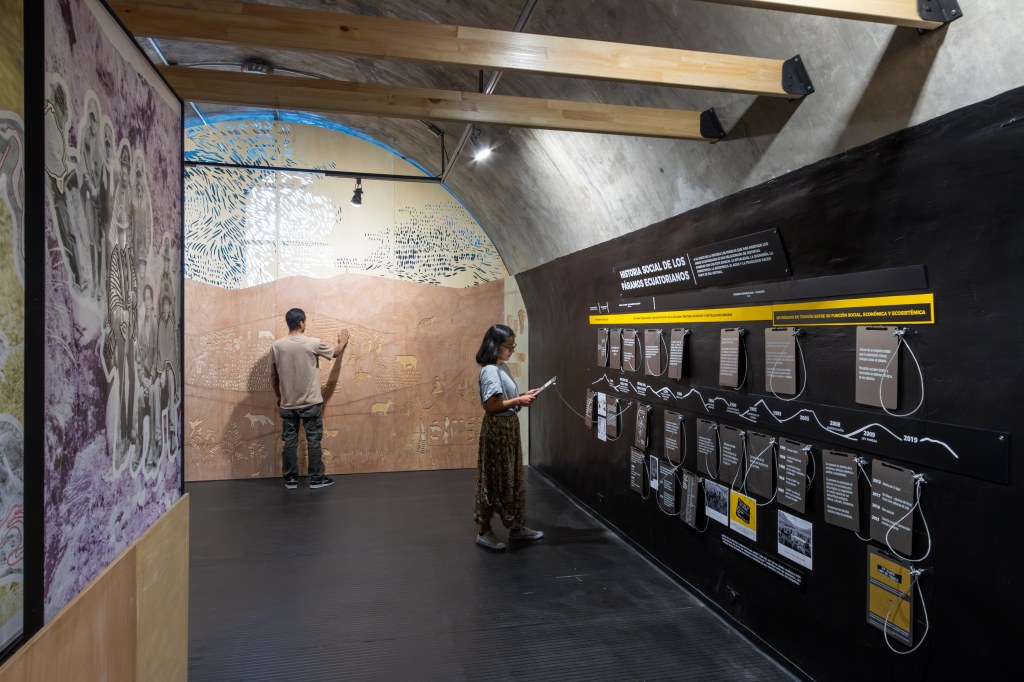

Sala 3 / Room 3
Uso y responsabilidad colectiva / Use and collective responsibility
Sala 4 / Room 4
Gestión Comunitaria y rol de los pueblos en el manejo de agua / Community management and the role of the people in water management


Sala 5 / Room 5
Páramo y Género / Páramo and gender
Sala 6 / Room 6
Espacio educativo / Educational space


 tallergeneral.com