
Proyecto/Project: San Tola
Autoría/Author: Taller General
Colaboradores/Collaborators: Sofia Arcos, Nathaly Reina, Francis Cruz
Cálculo estructural/Structural calculation: Pedro Ospina
Año de diseño/Design year: 2021
Año de construcción/Construction year: 2022
Encargado de construcción/Construction manager: Taller General
Ubicación/Location: Quito, Ecuador
Fotografías/Pictures: Andrés Villota, JAG studio, Punto Dos studio
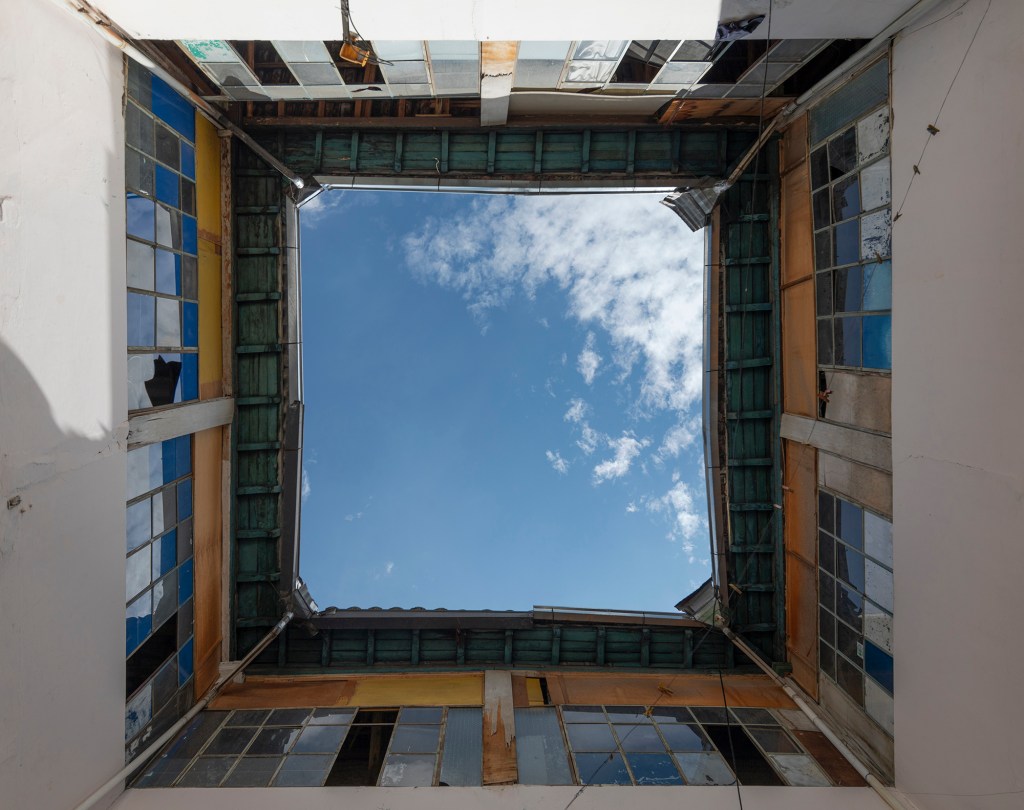
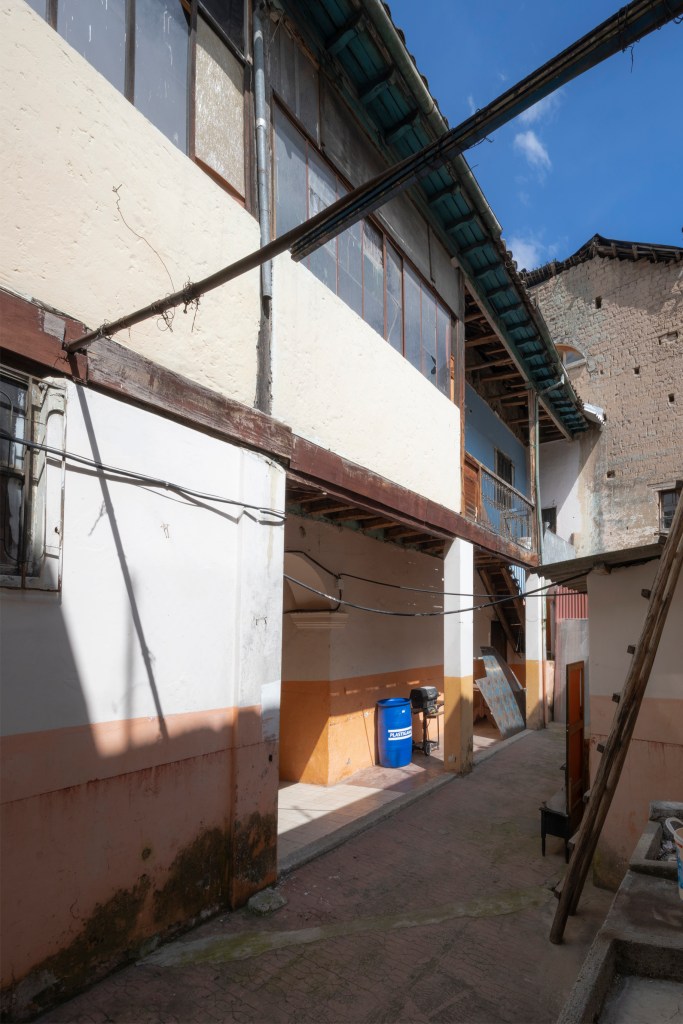
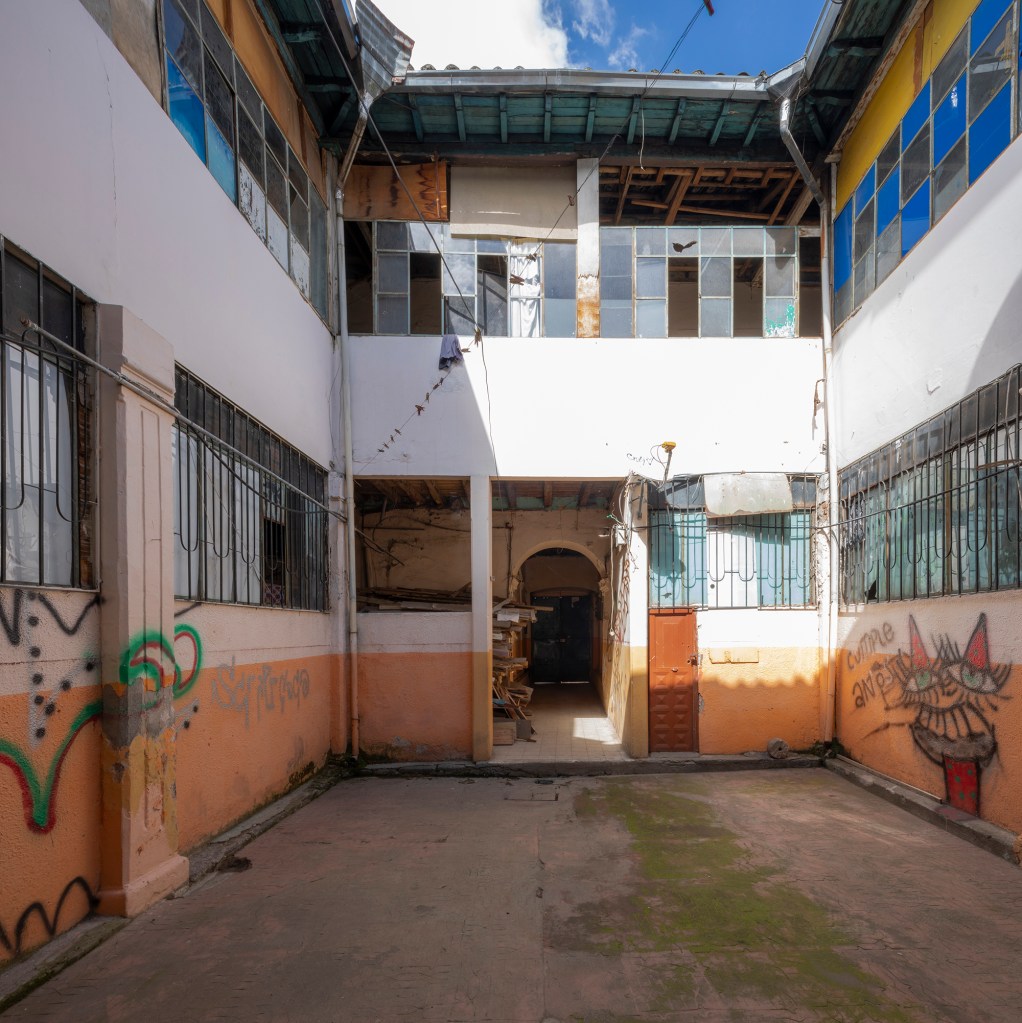
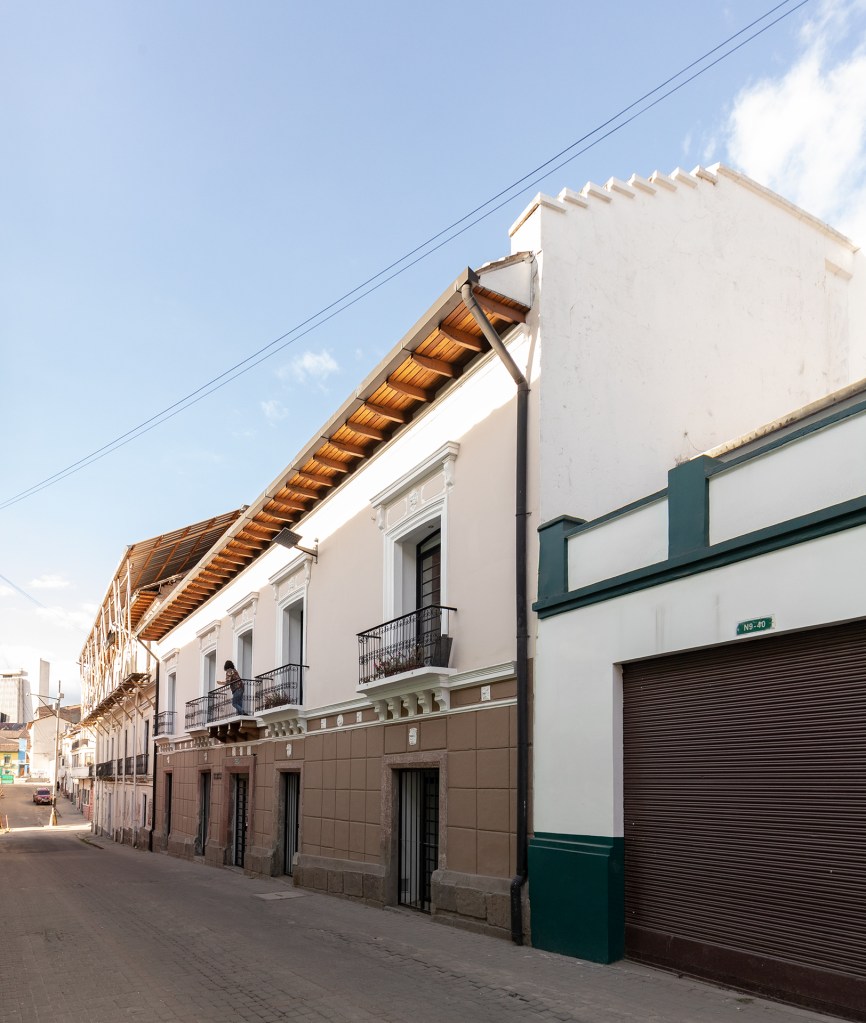
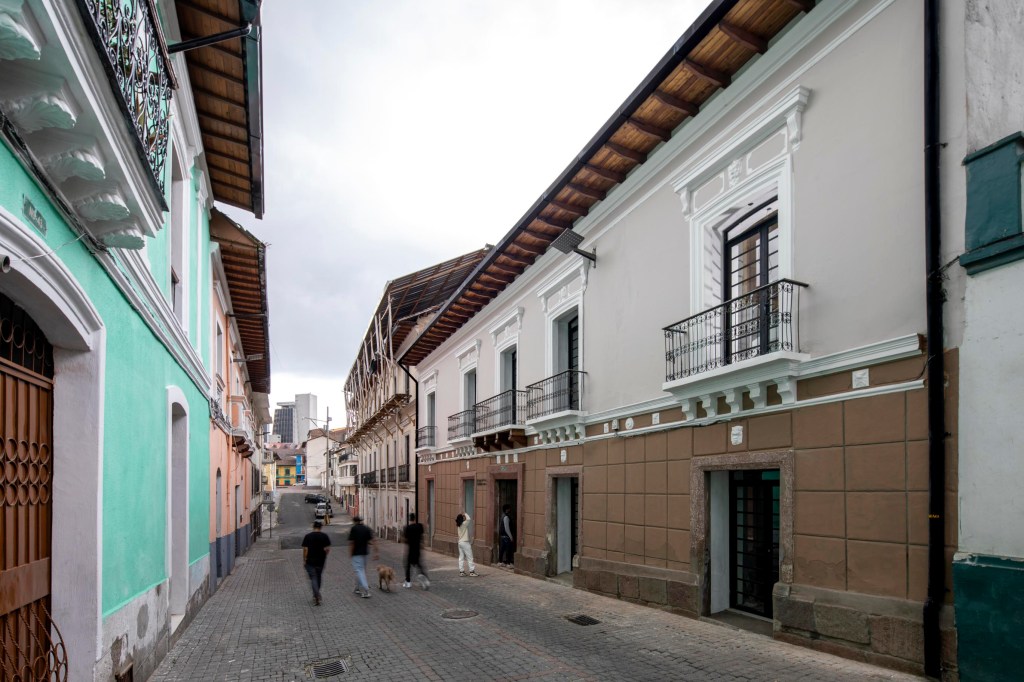
El proyecto nace de la iniciativa de un grupo privado por invertir en vivienda y la motivación de Taller General por fomentar el uso residencial de calidad en el Centro Histórico de Quito. El despoblamiento en esta zona es innegable, entre varios factores, porque no existe una oferta de vivienda que resuelva necesidades contemporáneas. La mayoría de las intervenciones en el sector están destinadas al turismo, generando una población rotativa que carece de sentido de apropiación sobre el territorio; además de los espacios que con el fin de evitar la inversión para su recuperación, se destinan a bodegas y comercios de carácter precario.
The project was born from the initiative of a private group to invest in housing and the motivation of Taller General to promote quality residential use in the Historic Center of Quito. The depopulation in this area is undeniable, among several factors, because no housing supply meets contemporary needs. Most of the interventions in the sector are destined for tourism, generating a rotating population that lacks a sense of appropriation over the territory; in addition, the spaces, to avoid investment for their recovery, are destined for warehouses and precarious businesses.
Fotos Andrés villota
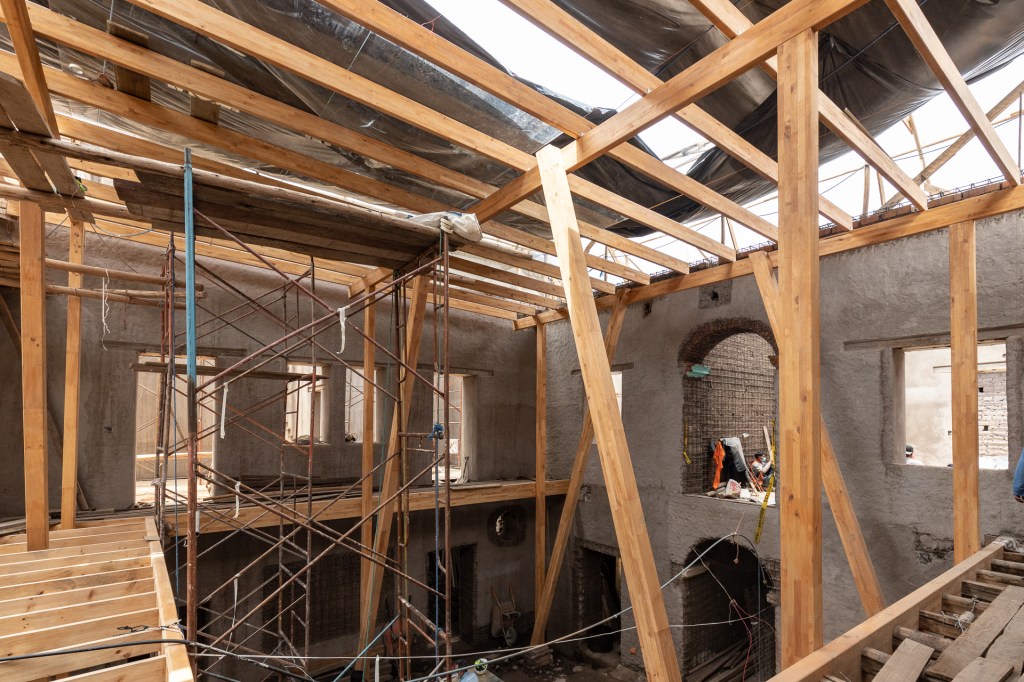
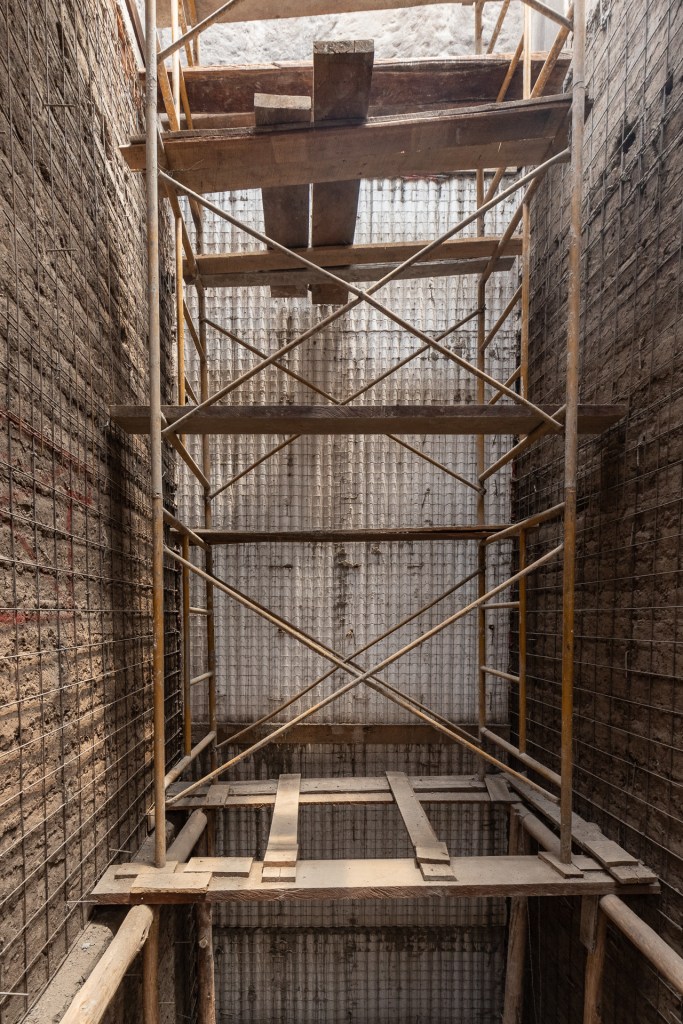
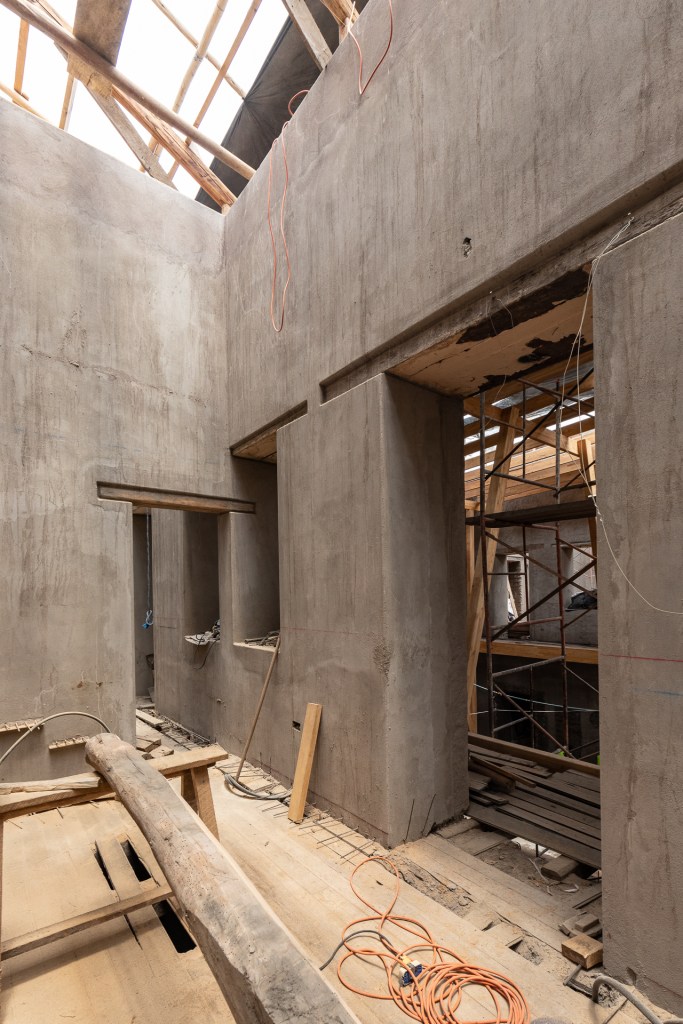
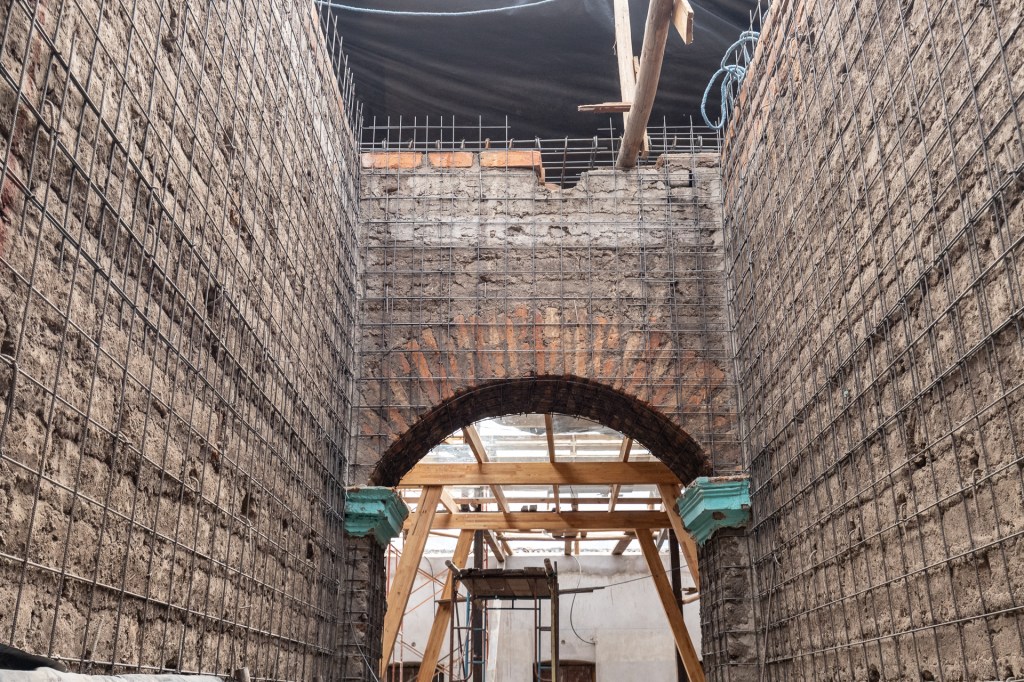
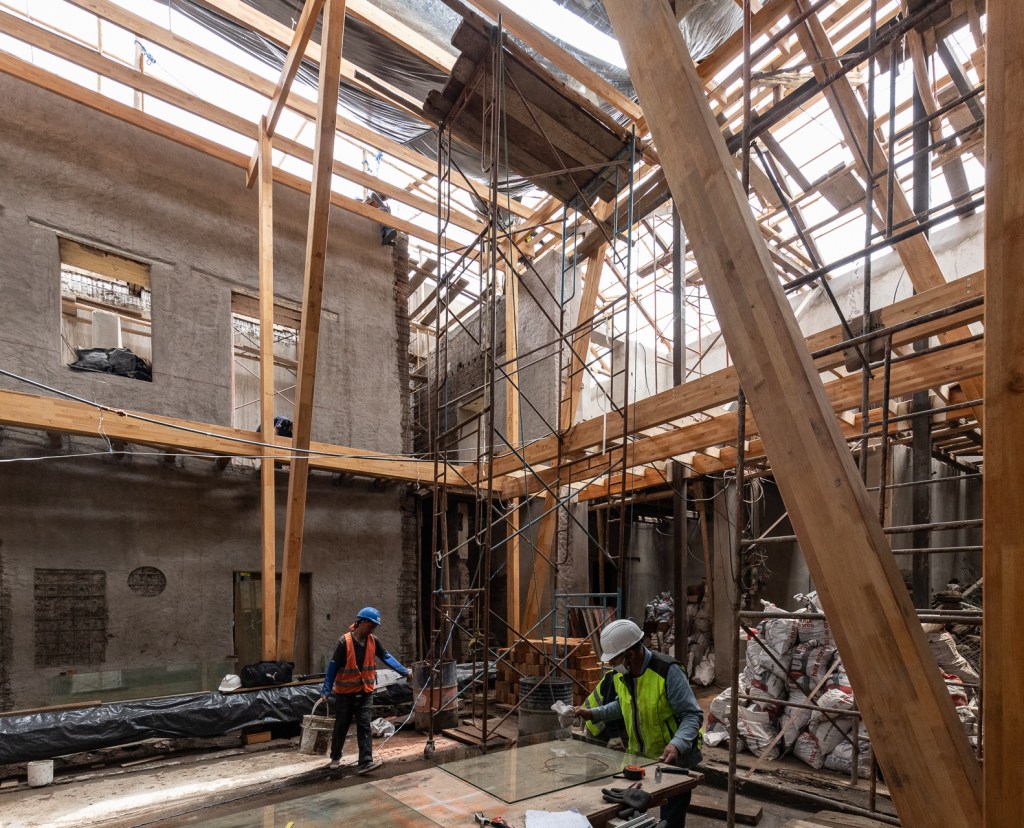
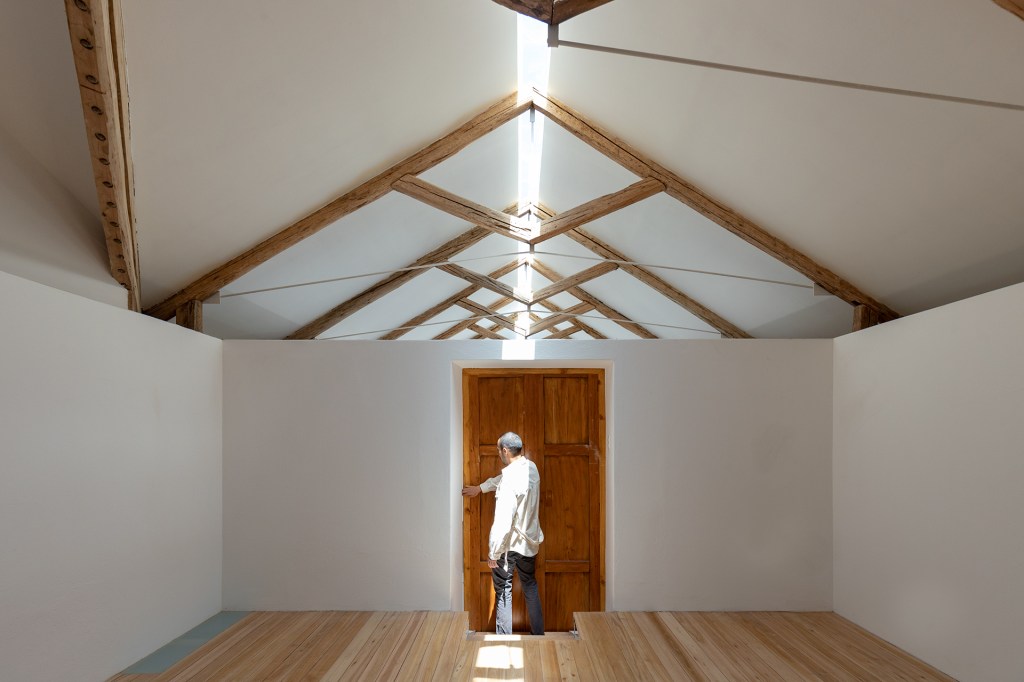
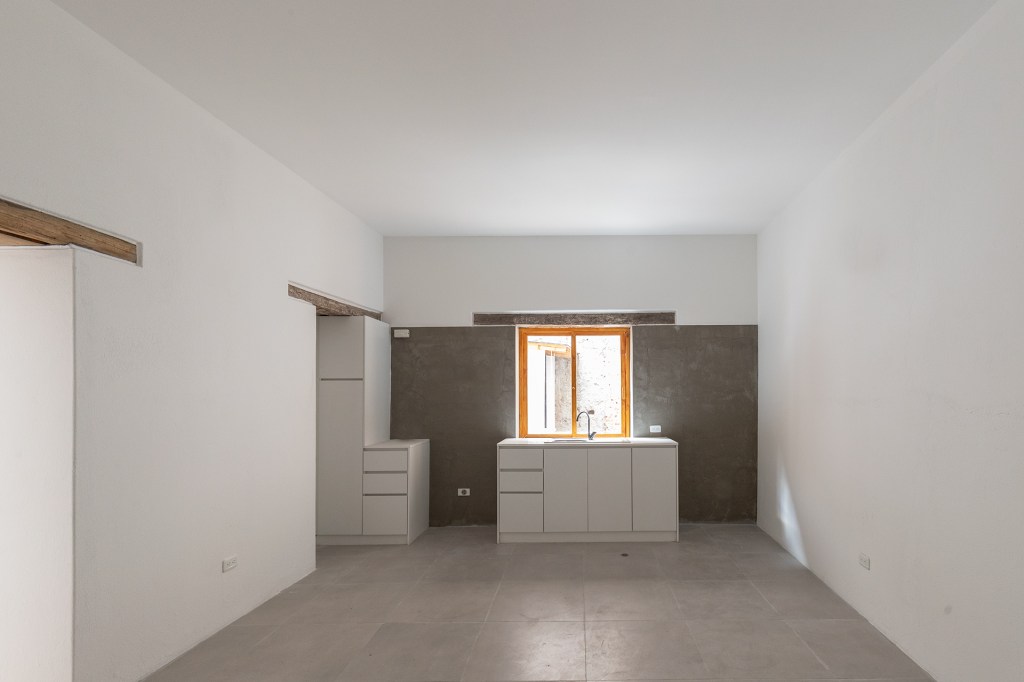
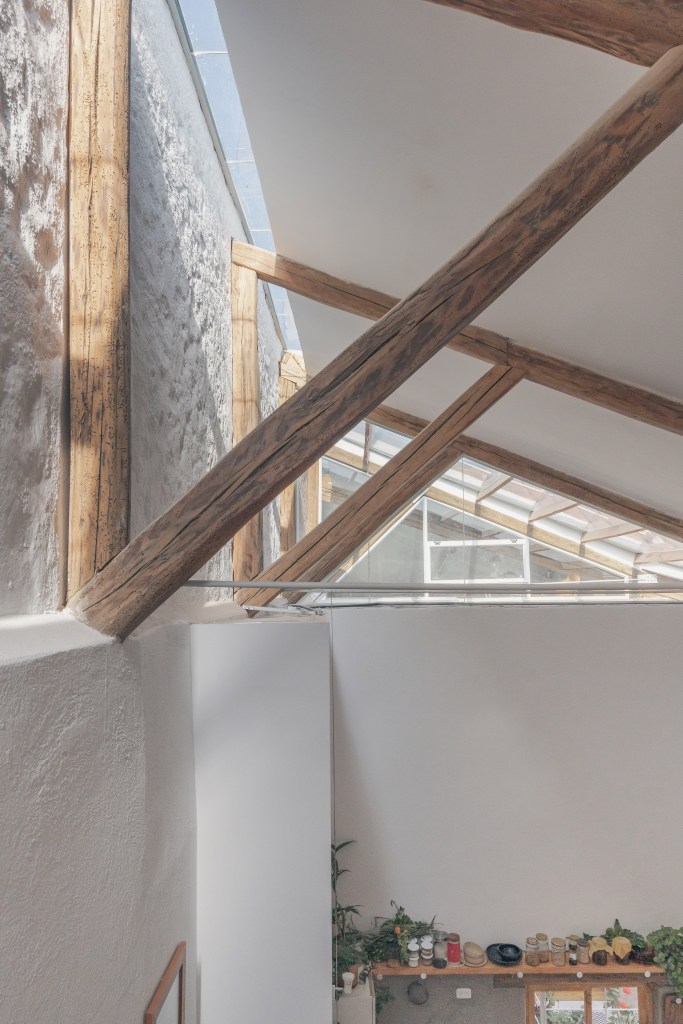
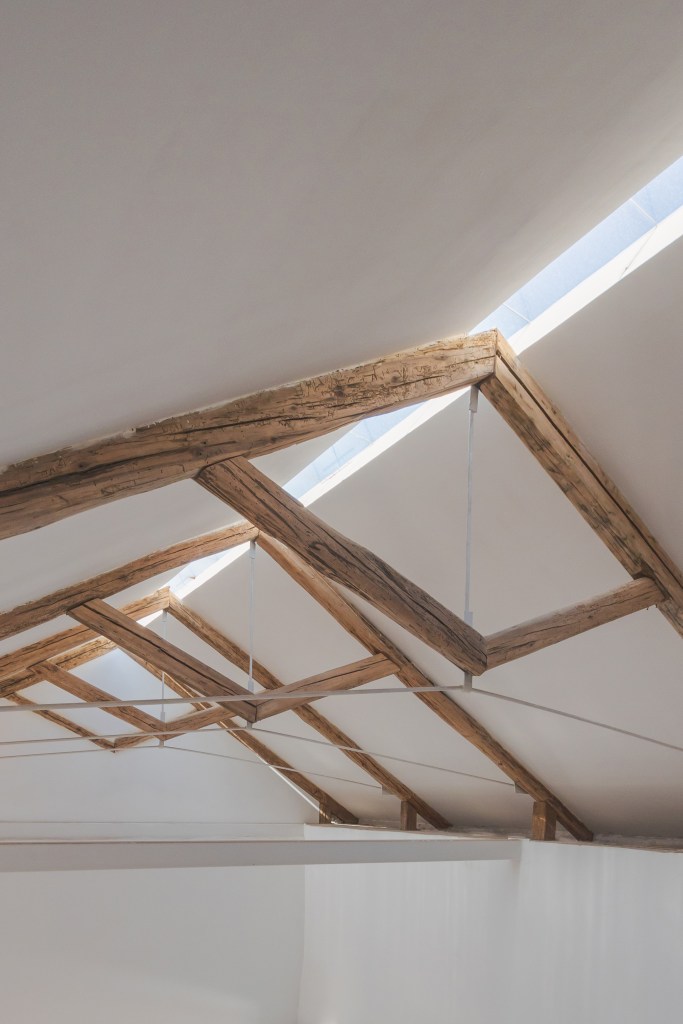
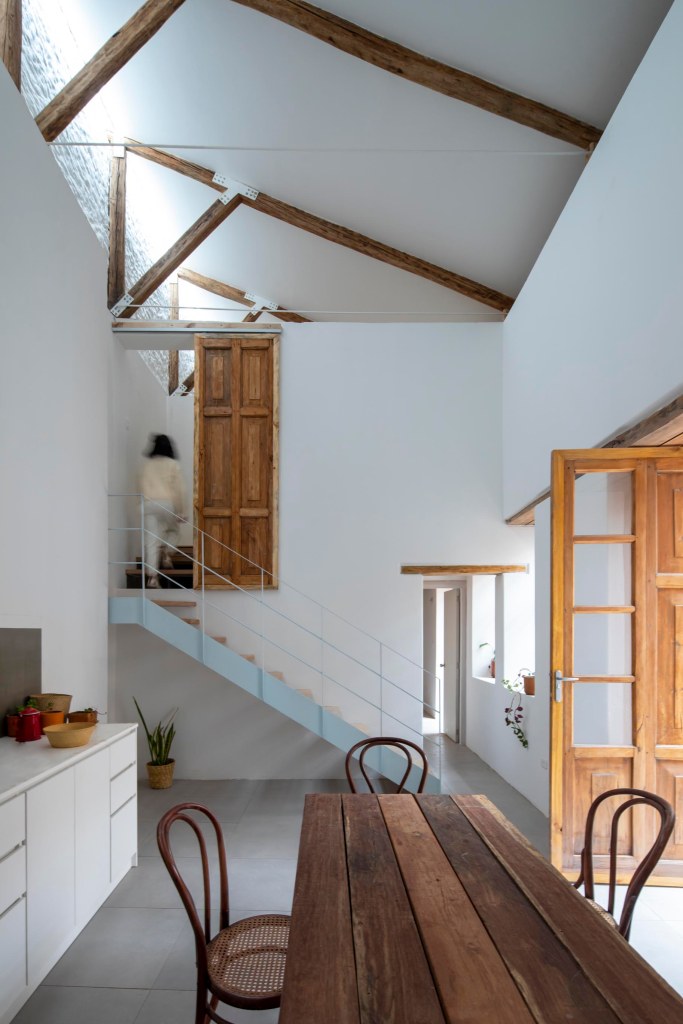
La propuesta arquitectónica consiste en recuperar y poner en valor la estructura original de la casa -muros de adobe portantes- mediante el refuerzo estructural desde la base de estos hasta su cabeza, así como también las cerchas originales de madera. El conjunto está compuesto por ocho departamentos y dos locales comerciales que se resuelven dentro de esta envolvente, con acabados sencillos lo que posibilita abaratar los costos de venta. Es así como el proyecto consigue generar una oferta de vivienda colectiva en el sector a precios accesibles y además ofrece unidades que funcionan como un lienzo en blanco para que los propietarios puedan dotar de mayor identidad al interior de sus viviendas.
The architectural proposal consists of recovering and enhancing the value of the house’s original structure – bearing adobe walls – using structural reinforcement from their base to their head, as well as the original timber trusses. The complex is made up of eight apartments and two commercial spaces, with simple finishes that make it possible to reduce sales costs. This is how the project manages to generate a collective housing offer in the sector at affordable prices and also offers units that function as a blank canvas so that the owners can give greater identity to the interior of their homes.


Fotos JAG studio

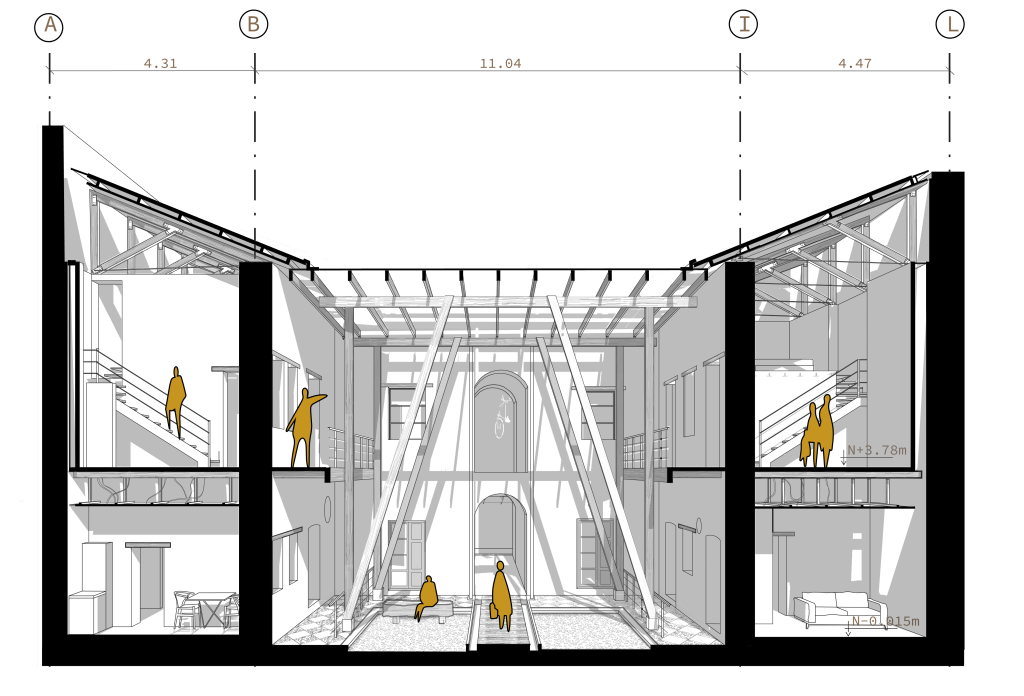
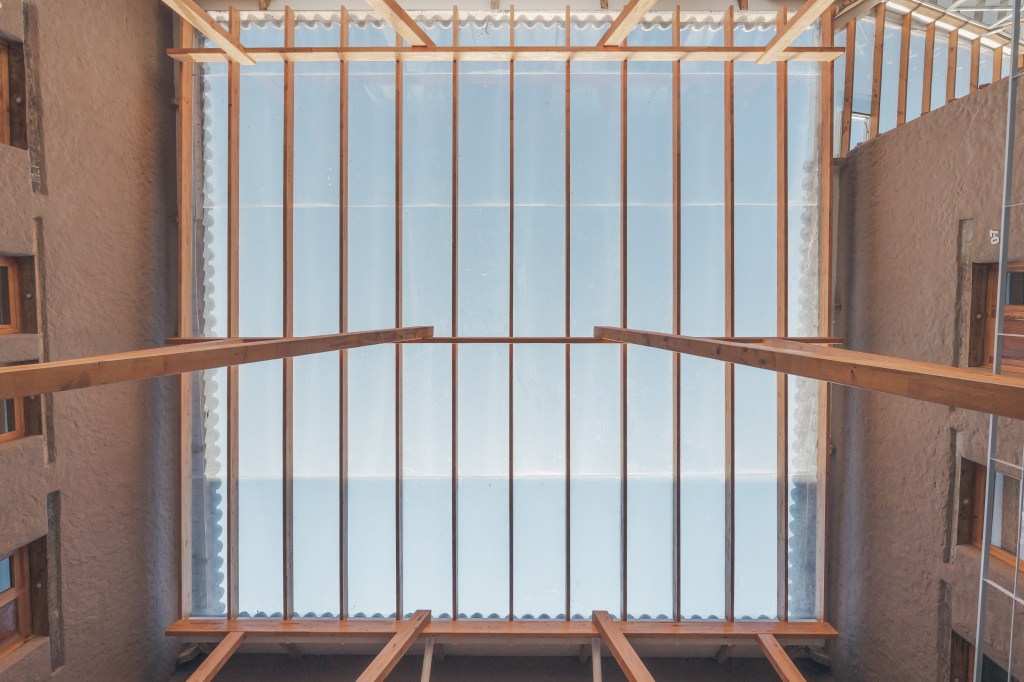
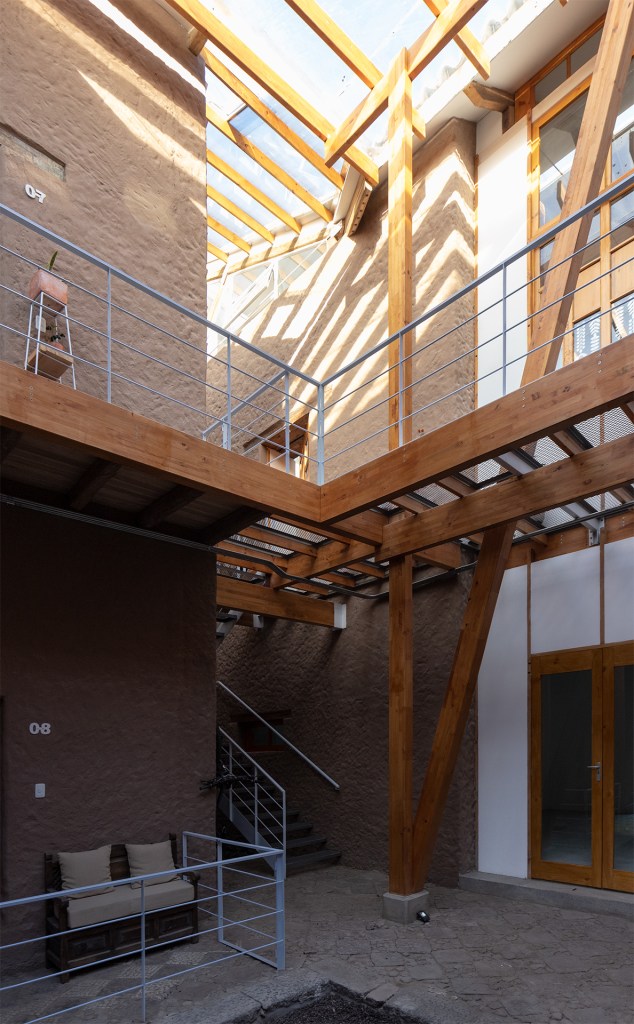
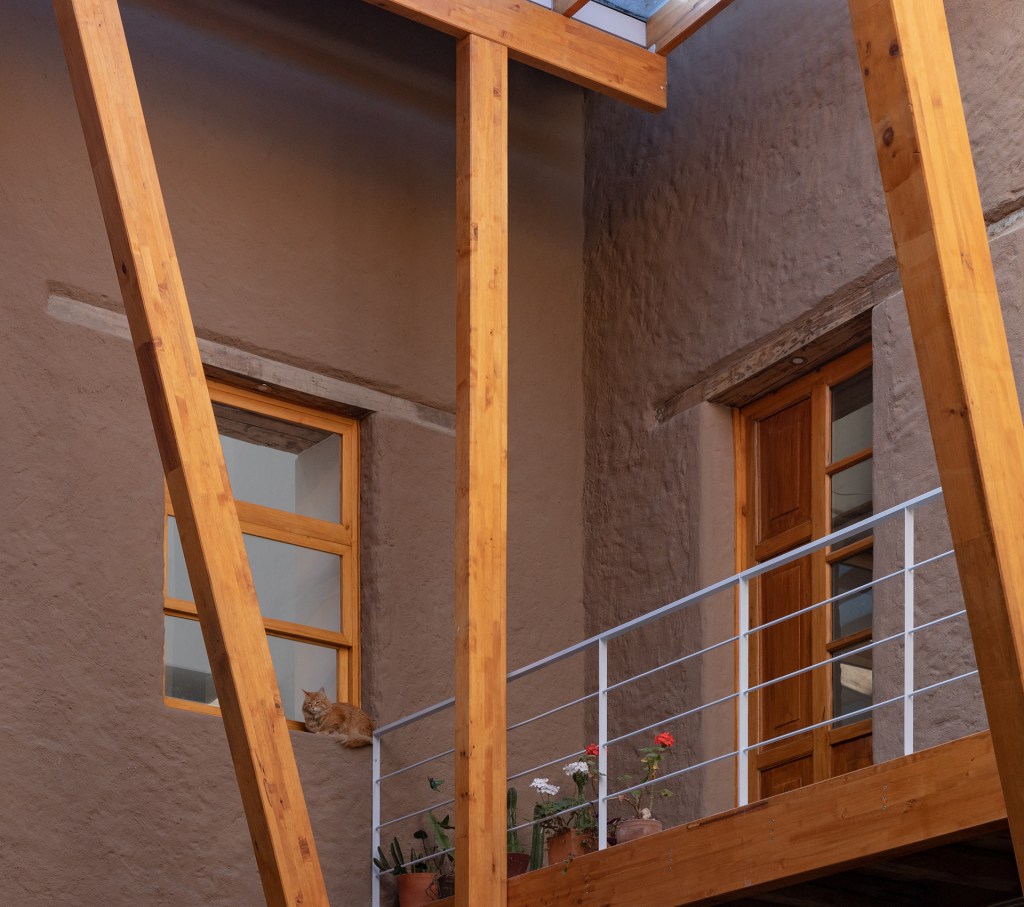
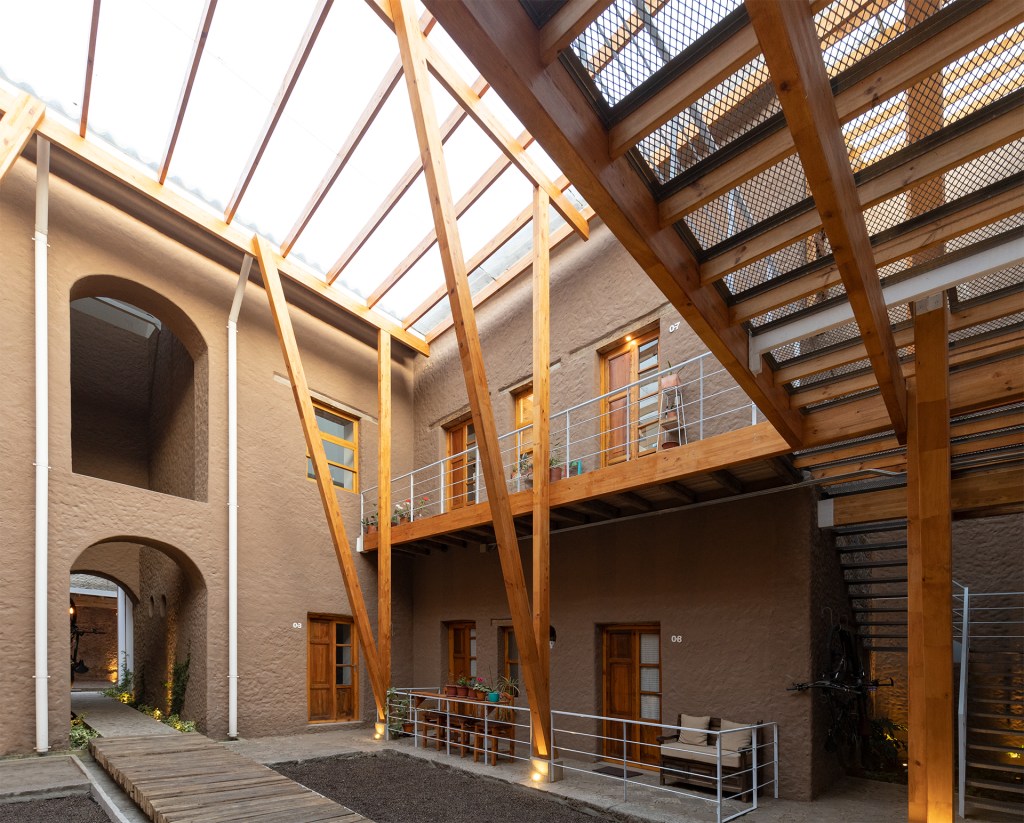
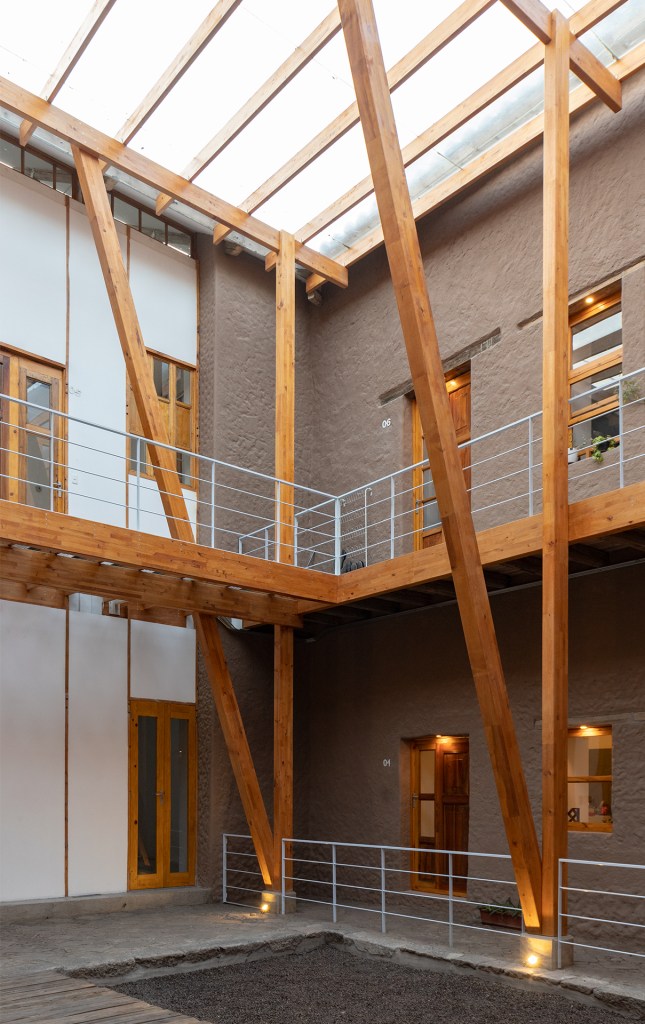
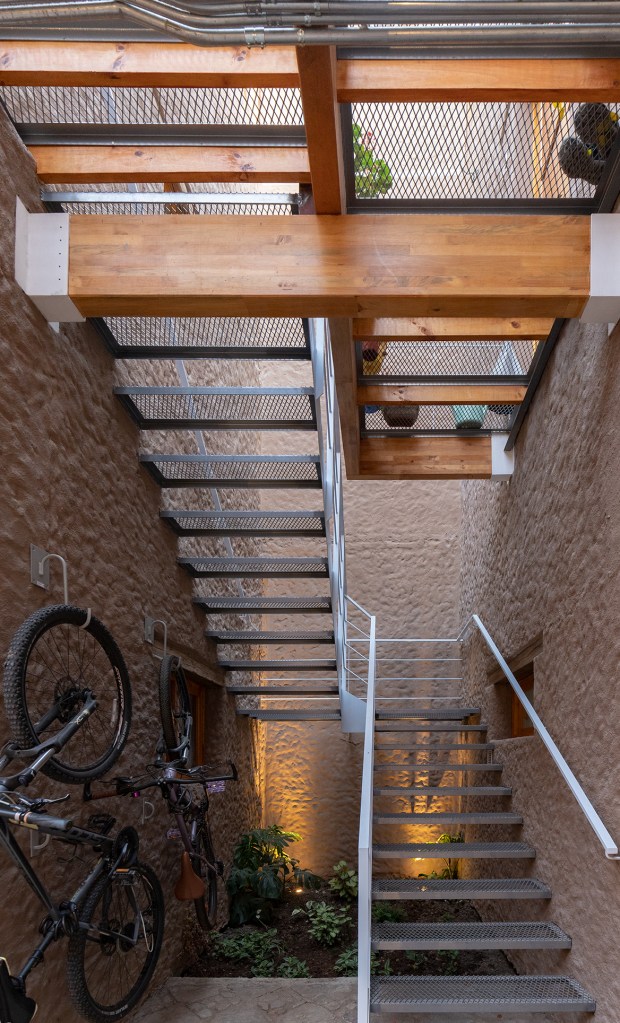
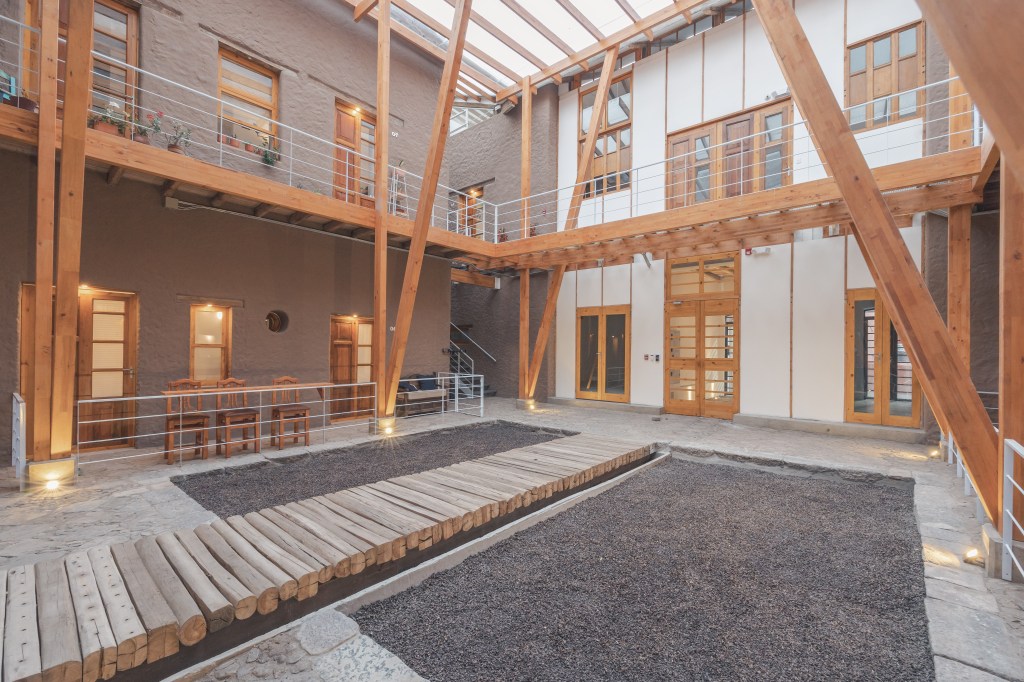
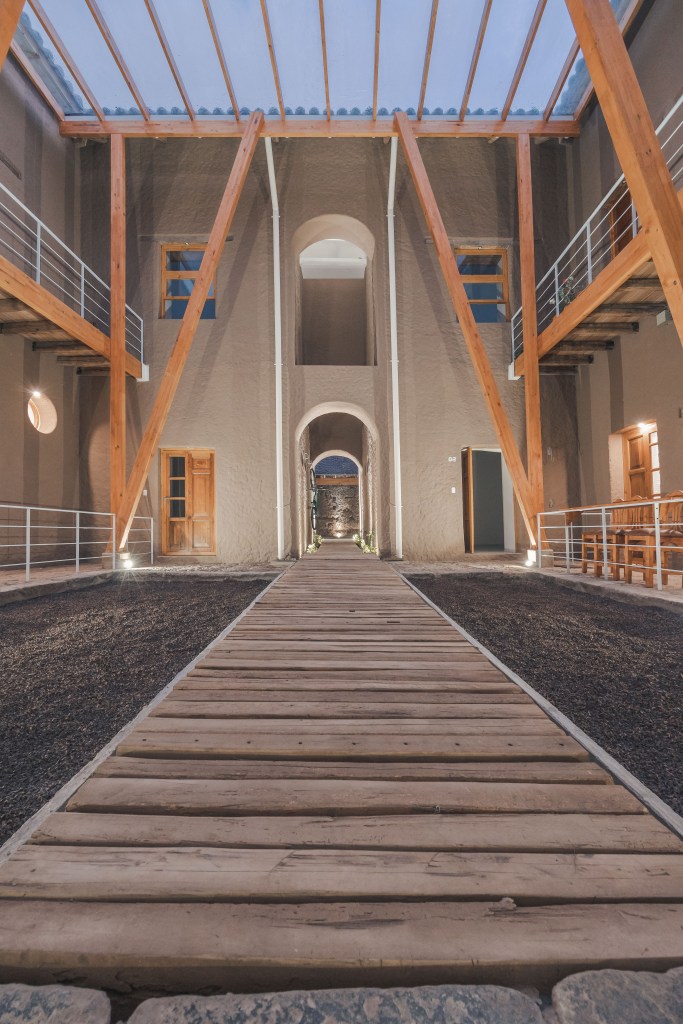
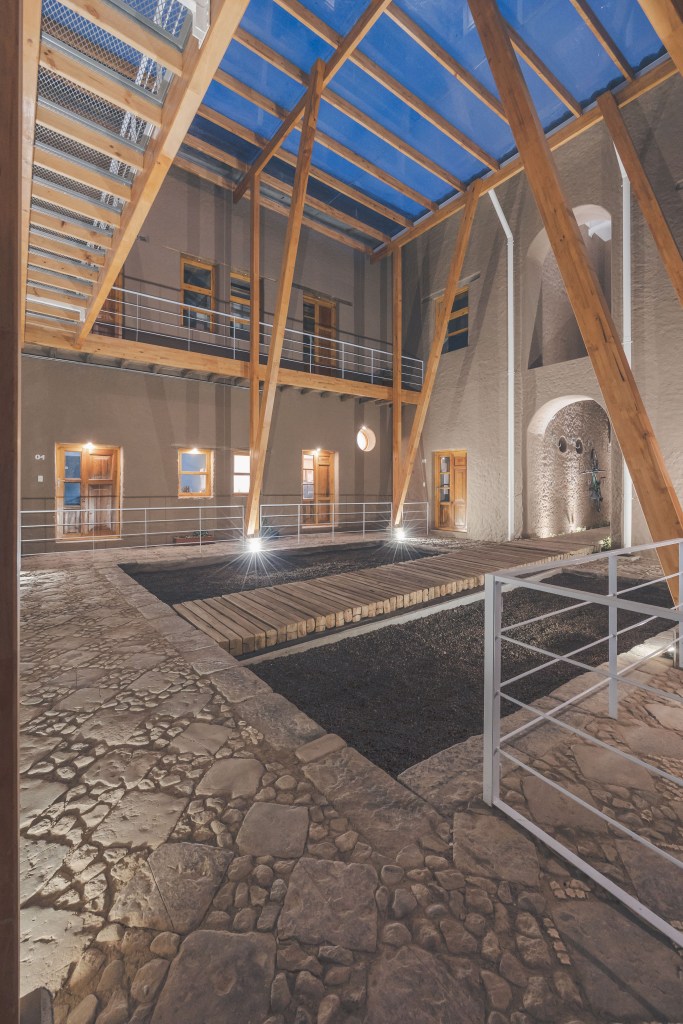
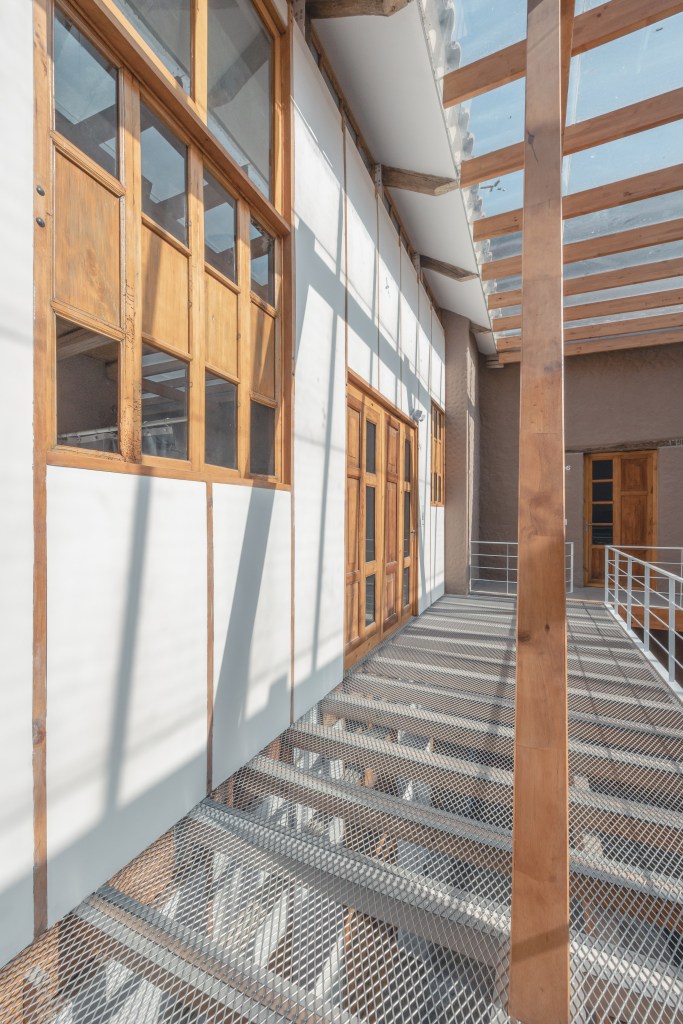
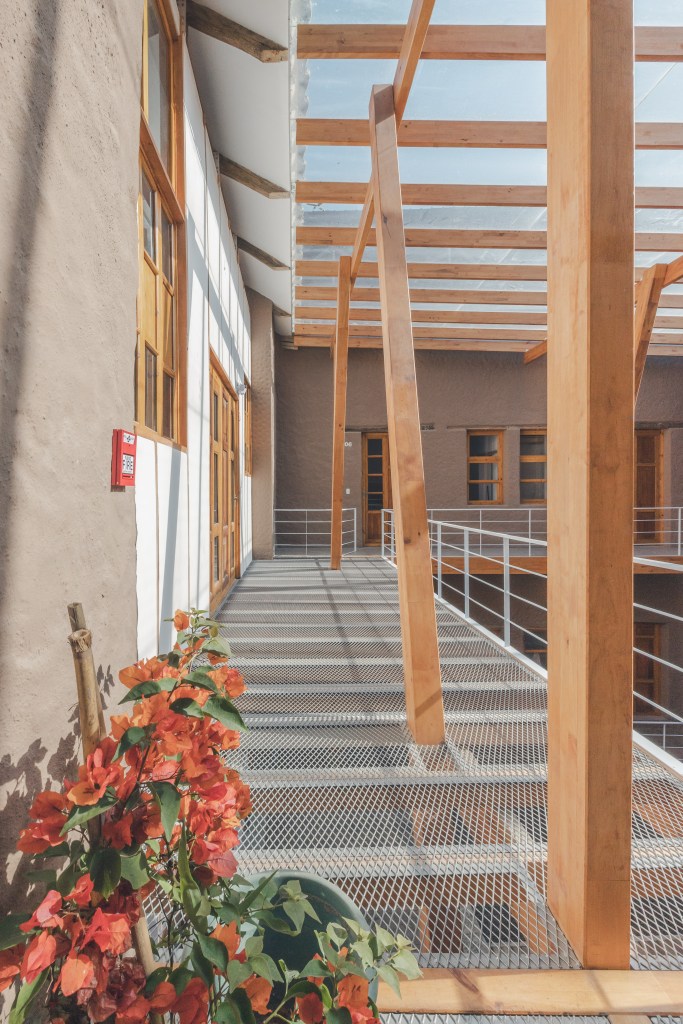
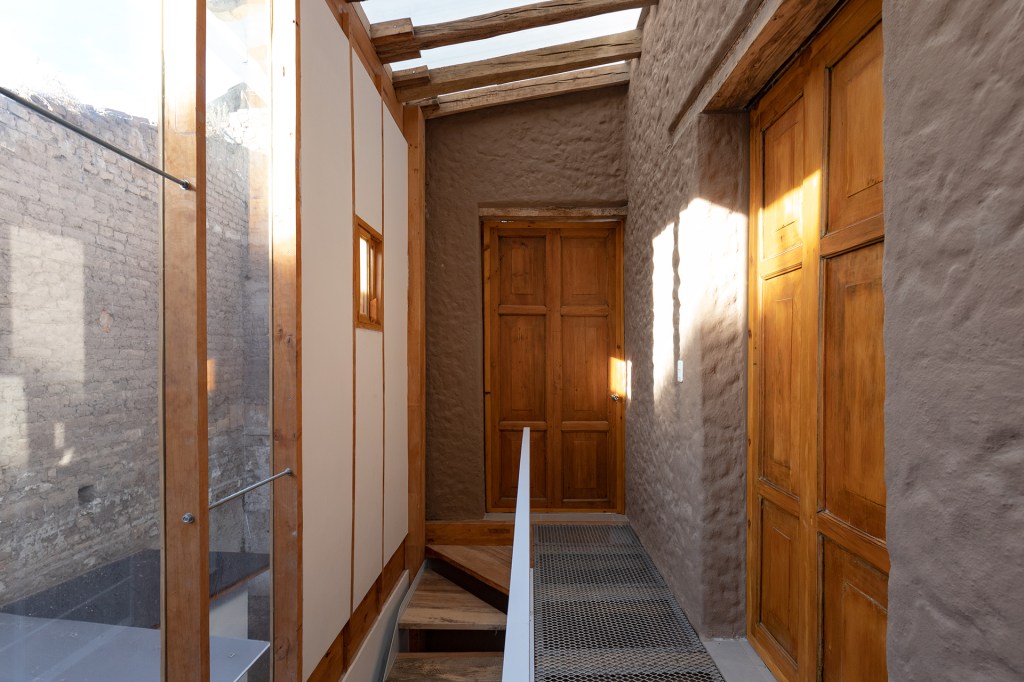
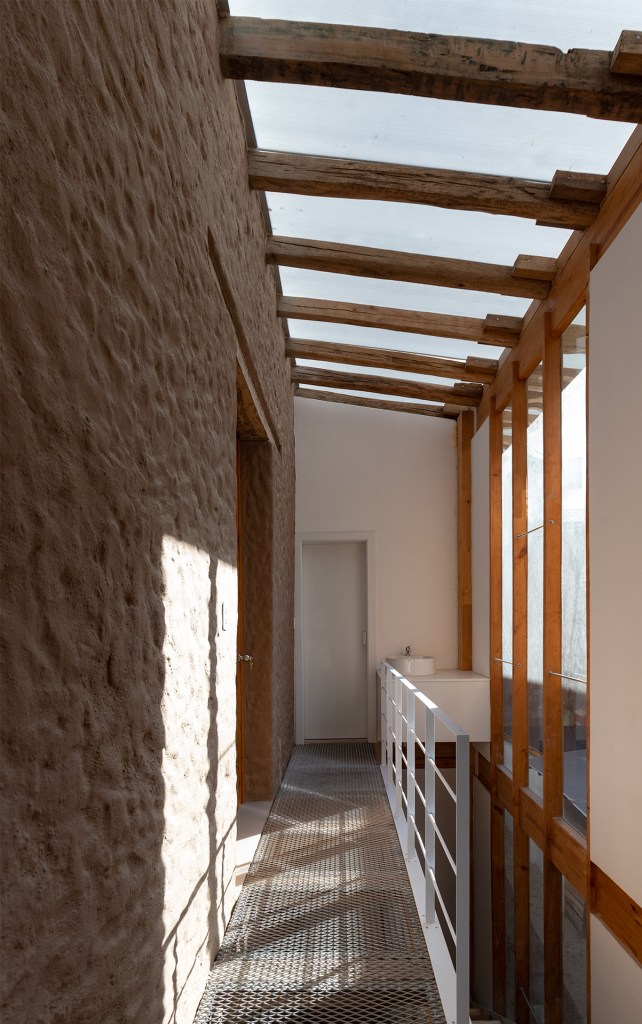
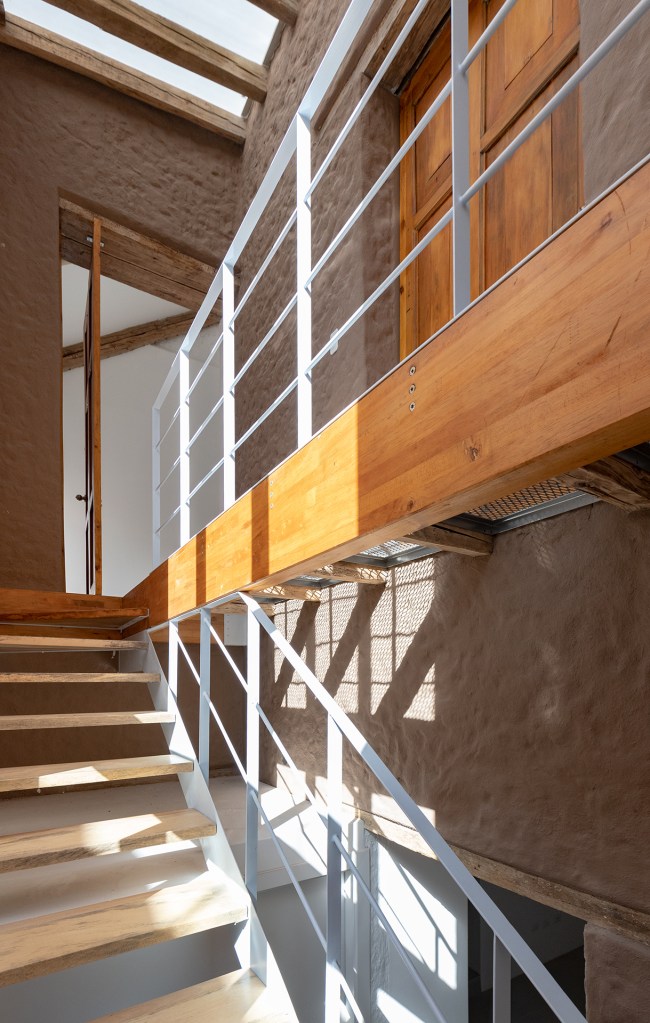
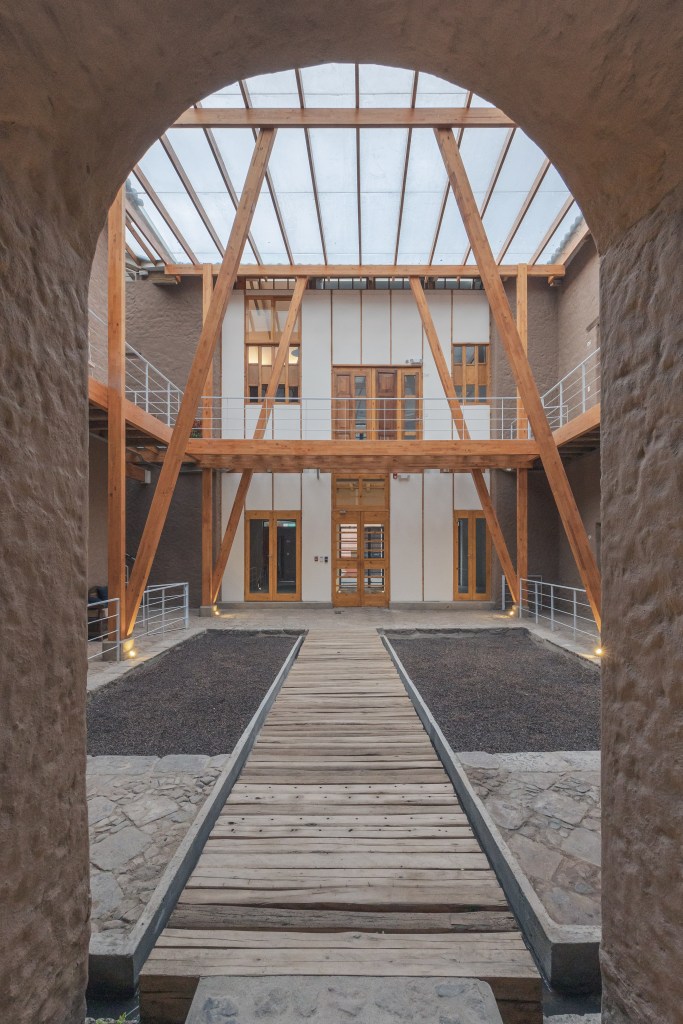
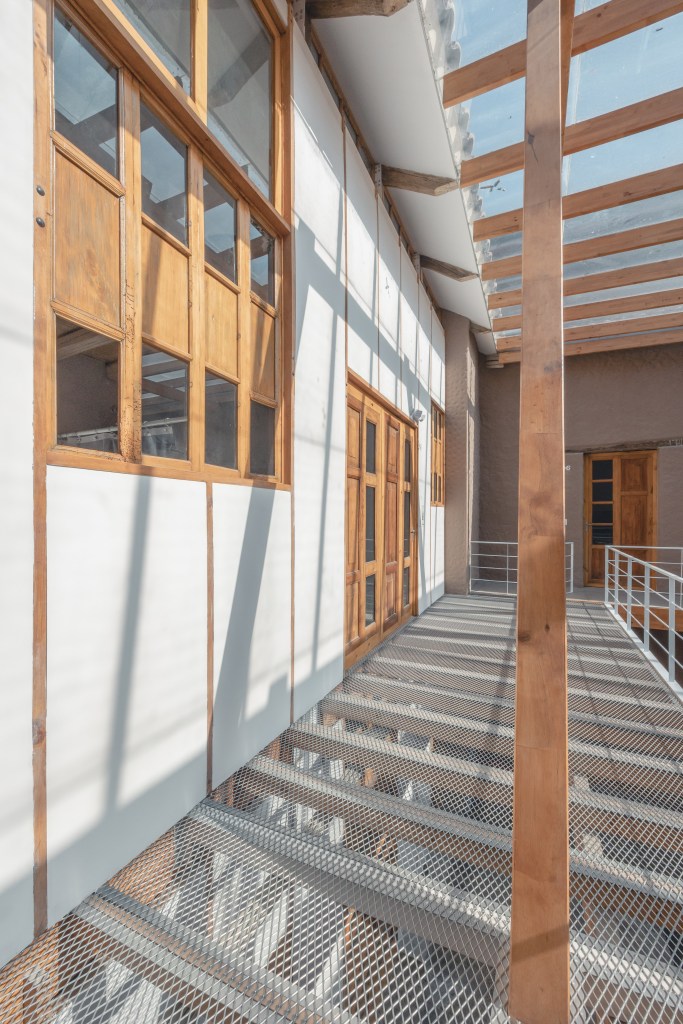
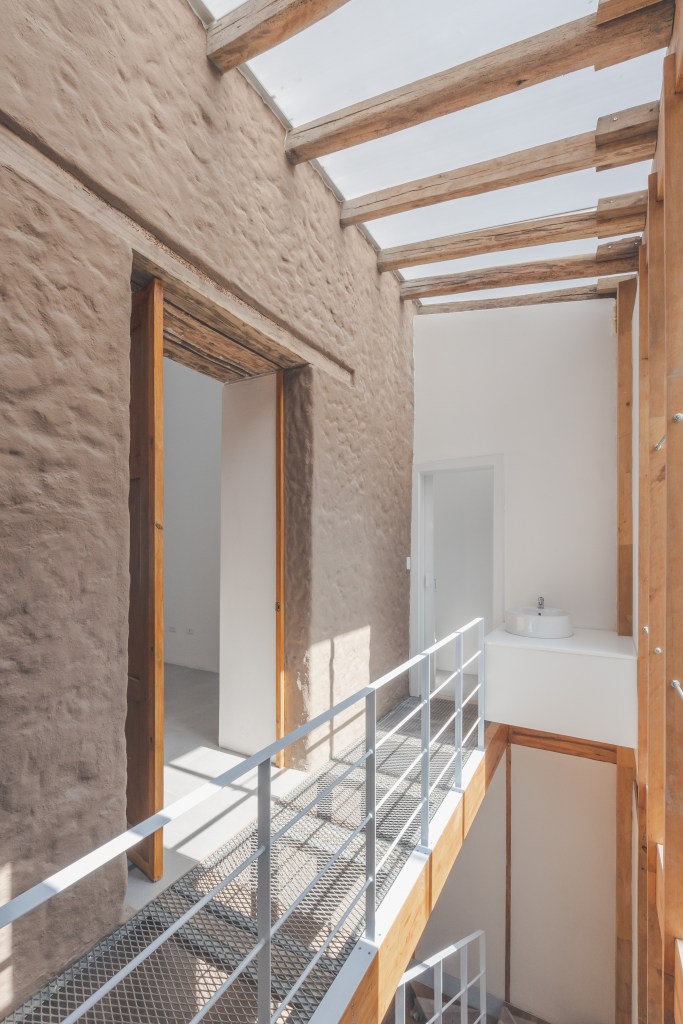
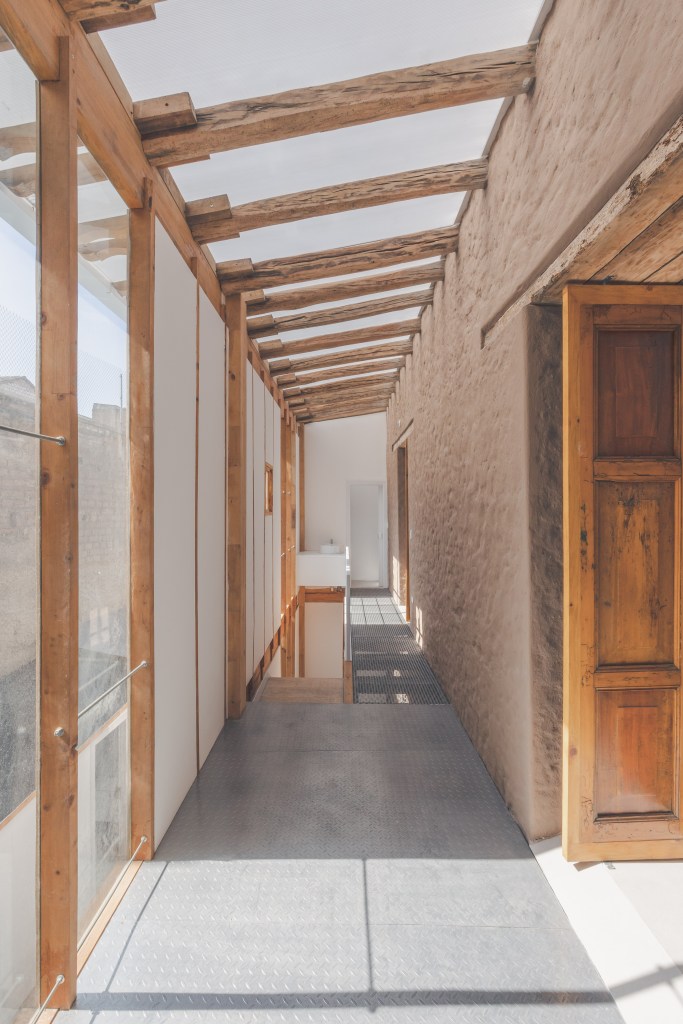
La apuesta se enfoca en los espacios de ocupación colectiva, el patio central se protege mediante un gran paraguas resuelto con pórticos de madera laminada y techo de vidrio para aportar mayor iluminación y calor al interior de las viviendas. Se suman a esta acción, pequeñas intervenciones en la construcción original, que aportan a estas dos búsquedas (luz y calor); la cubierta de teja que cubría los pasillos del patio central se retrae hasta el borde de los muros, ampliando la superficie de cielo; los pasillos perimetrales al patio, que originalmente eran de 1,80 metros, pasan a tener 1,20 metros de ancho; se elimina uno de los corredores para que aparezcan dos pasillos laterales de uso privado y el corredor de acceso comunal y las escaleras principales se fabrican en planchas de acero perforado que permiten el paso de la luz.
The project focuses on the spaces of collective occupation, the central courtyard is protected by a large umbrella with a laminated timber structure and a glass roof to provide more light and warmth to the interior of the homes. In addition to this action, small interventions in the original construction, which contribute to these two searches (light and heat); the tile roof that covered the corridors of the central courtyard is retracted to the edge of the walls, expanding the sky surface; The corridor around the perimeter of the courtyard, which were originally 1.80 meters wide, is now 1.20 meters wide; one of the sides of this corridor is eliminated to create two sides for private use and the communal access of it and the main stairs are made of perforated steel plates that allow light to pass through.

Fotos JAG Studio
Fotos Punto Dos studio
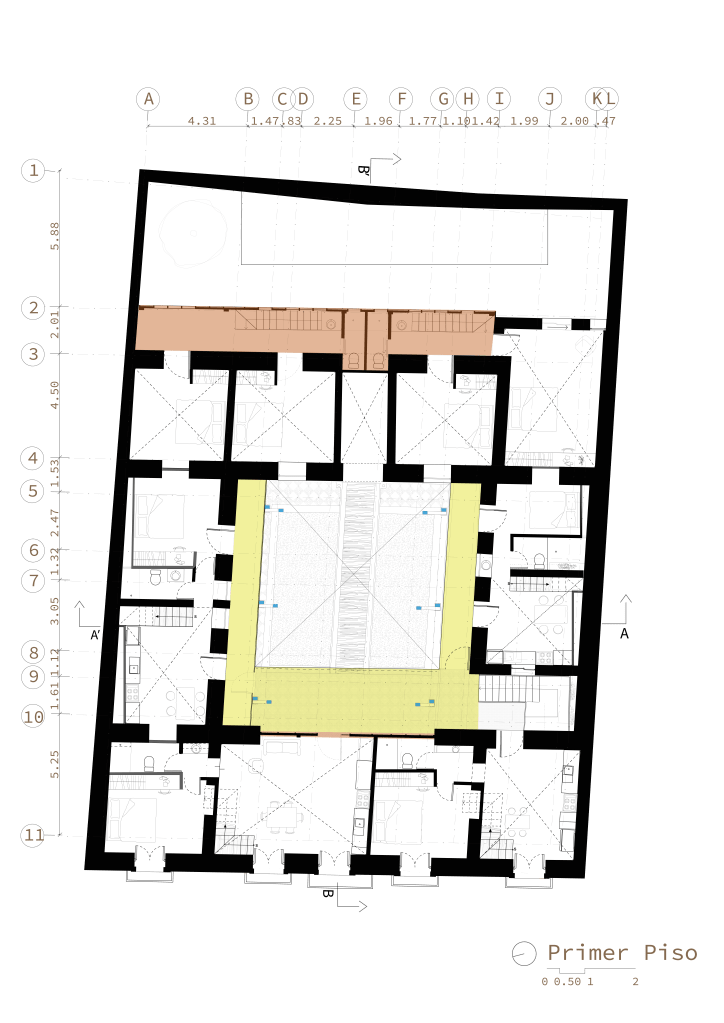

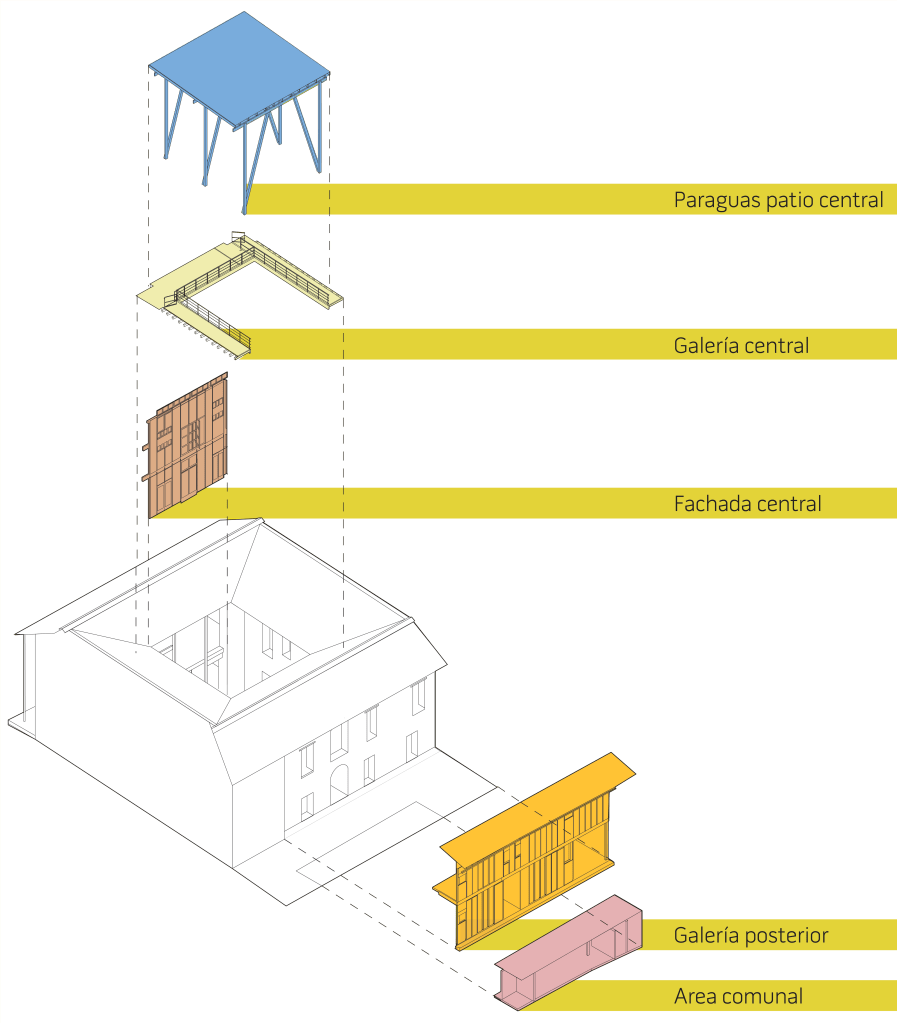
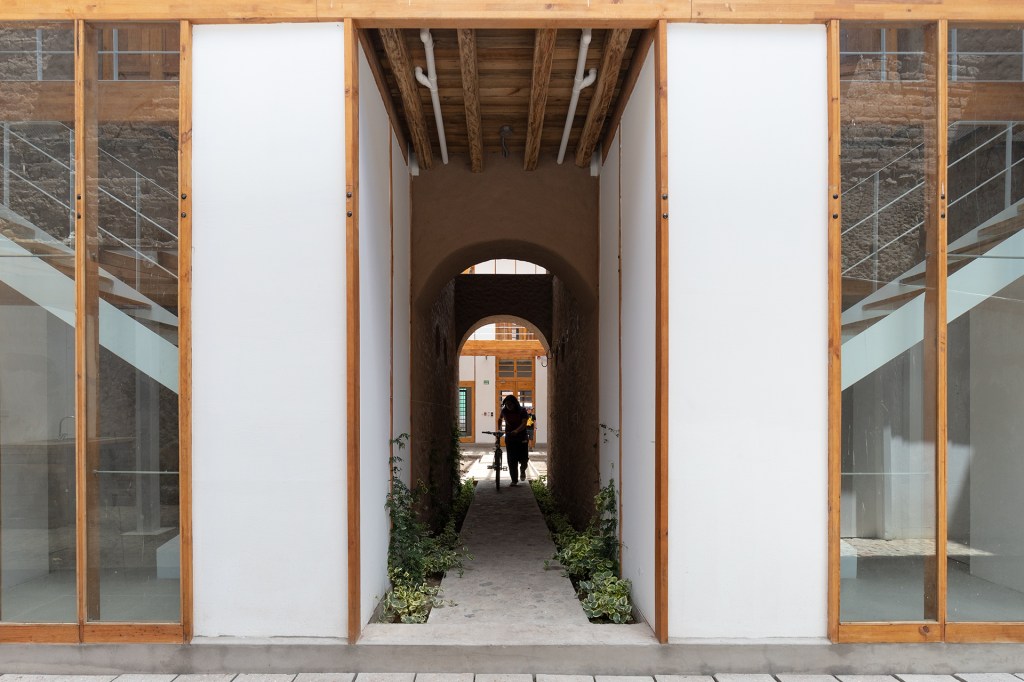
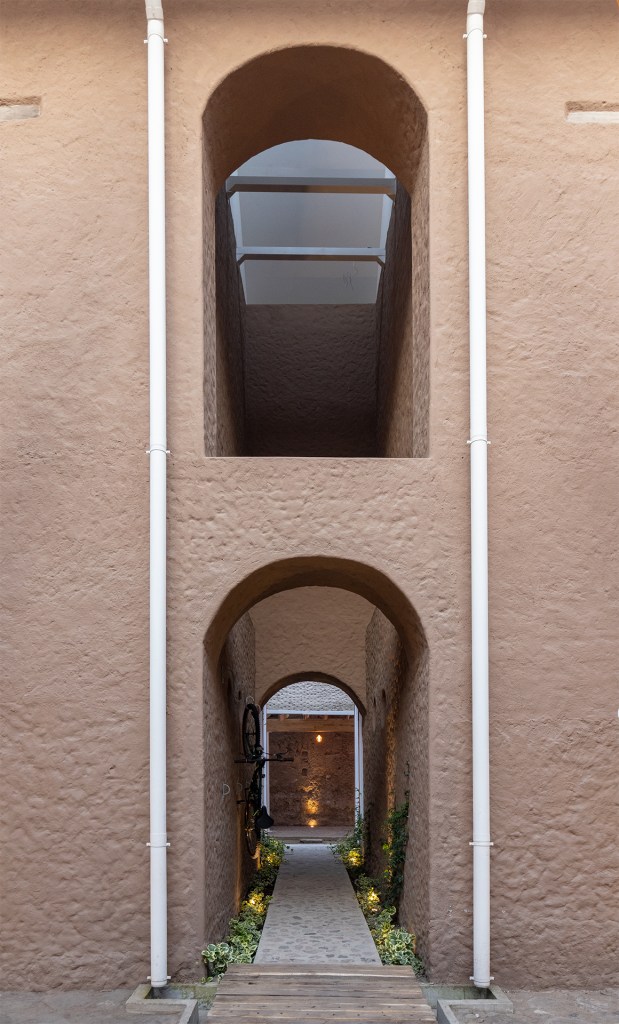
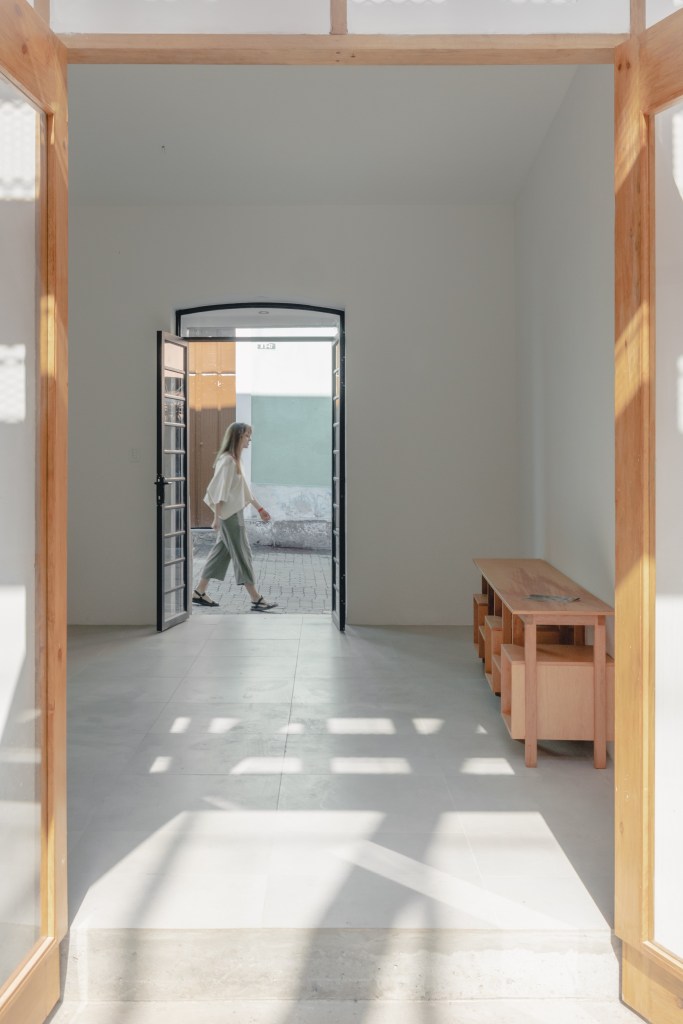
En la transición de un patio a otro se ubican los bicicleteros con espacio para una bicicleta por vivienda, el patio/jardín posterior posee una sala de uso múltiple comunal, un baño, un cuarto de máquinas y una lavandería de uso comunal.
In the transition from one courtyard to the other are located bicycle racks with space for one bicycle per dwelling, the rear courtyard/garden has a communal multipurpose room, a bathroom, a machine room, and a laundry room for communal use.




Fotos JAG Studio




Fotos Punto Dos studio

Fotos Andrés Villota
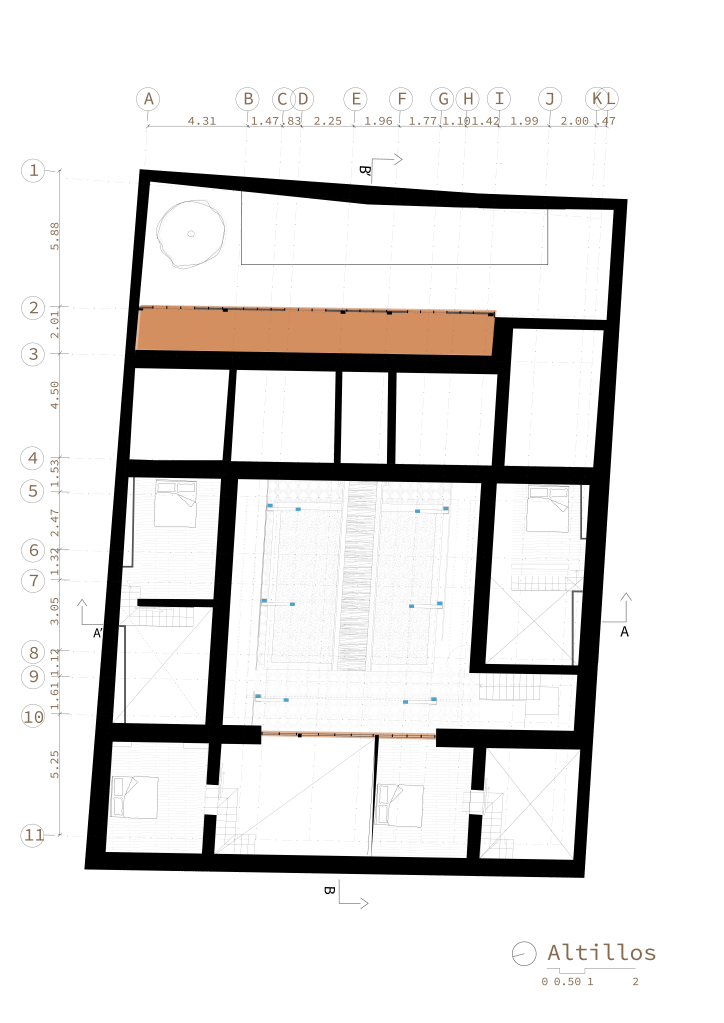
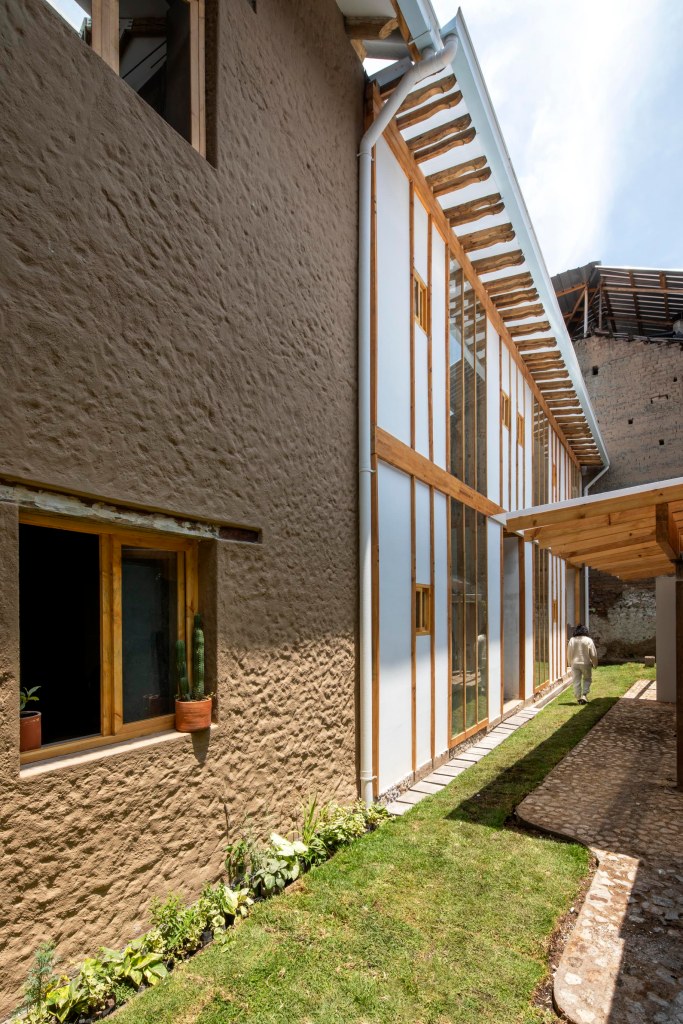
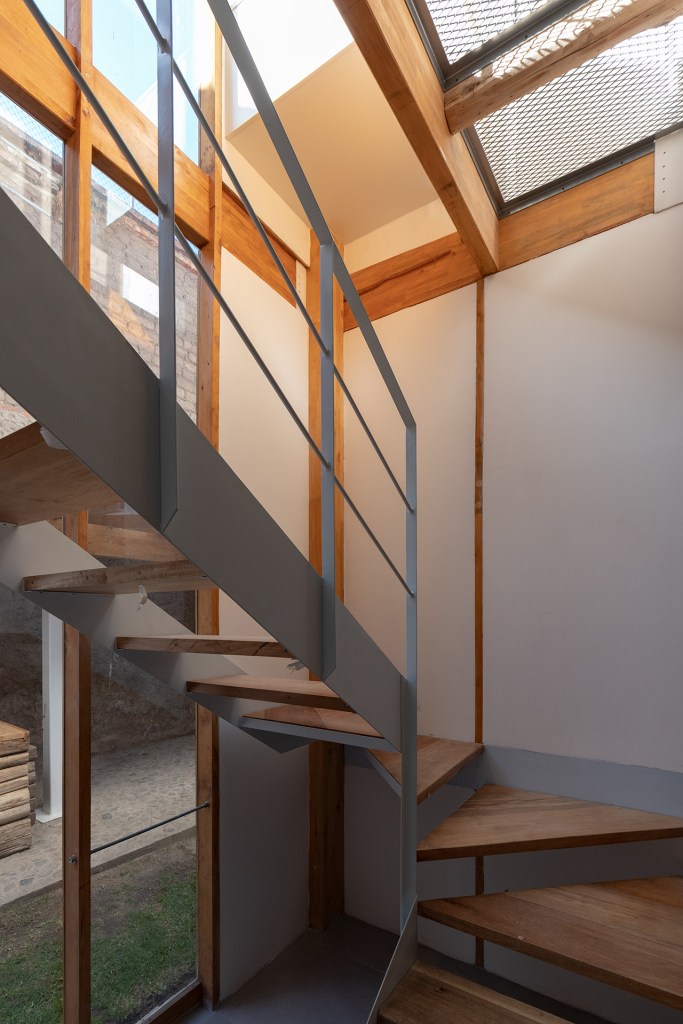
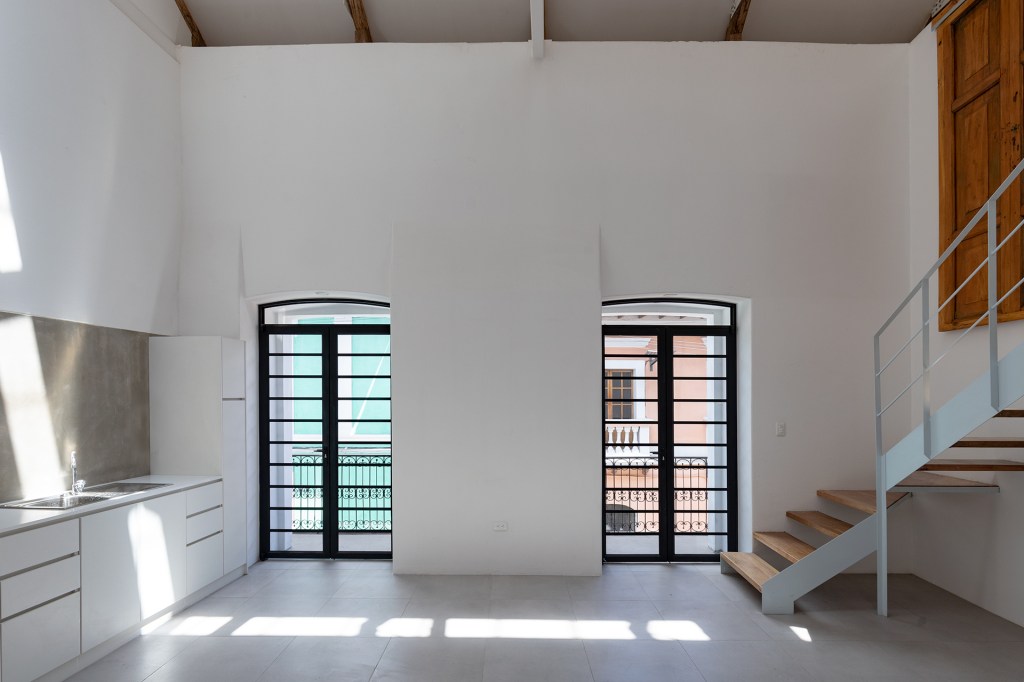
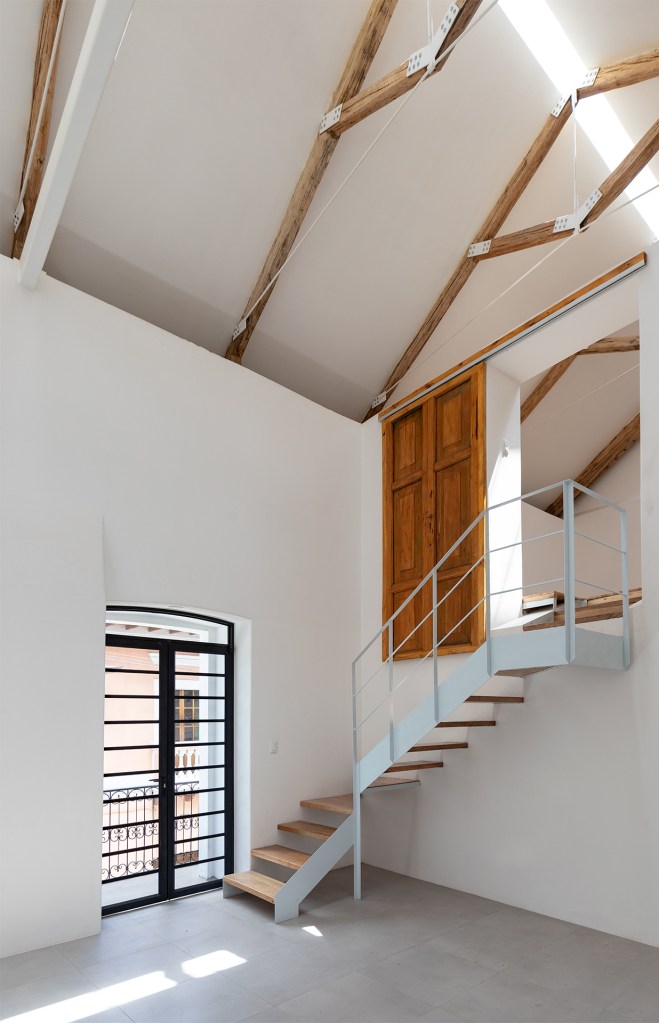
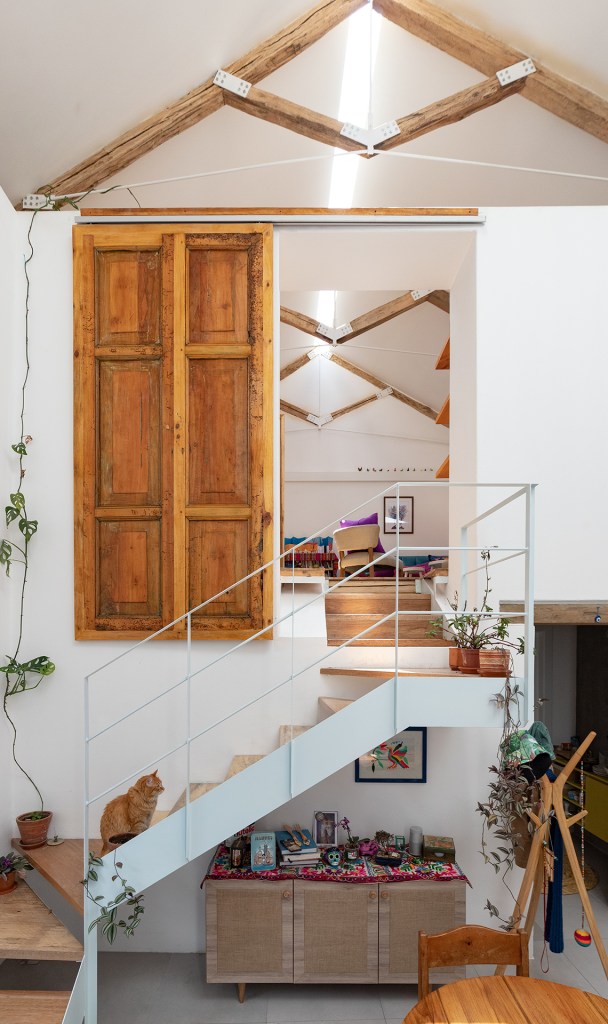
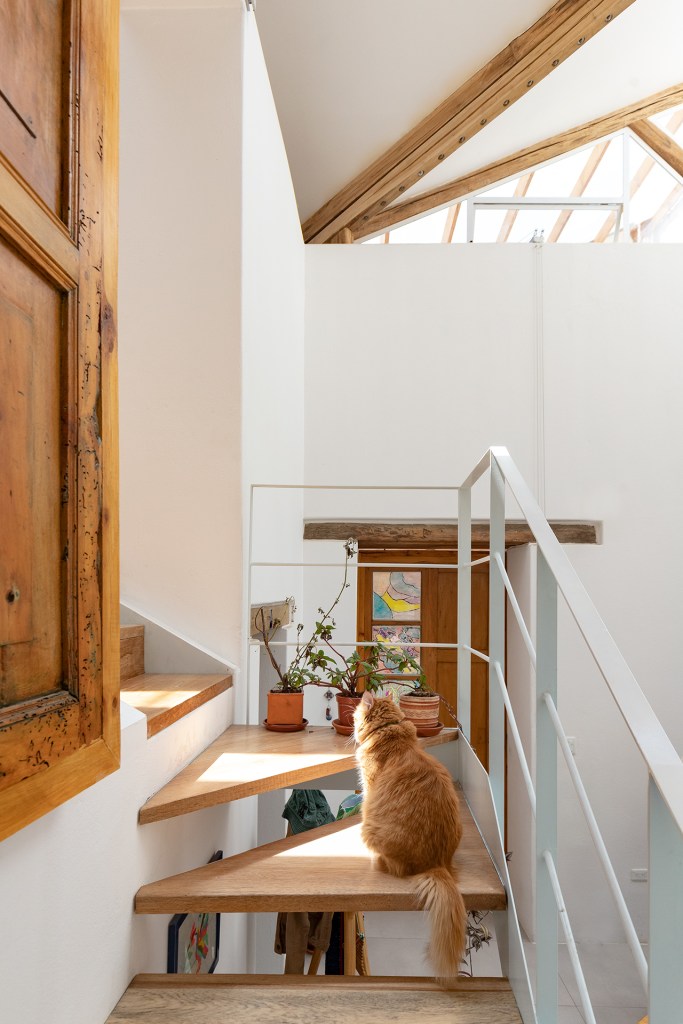
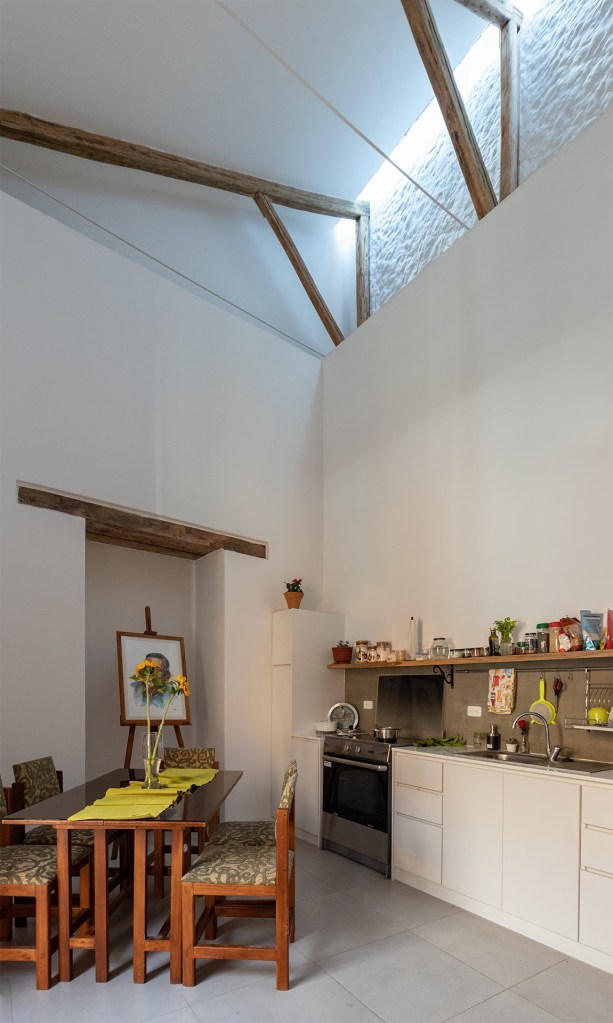
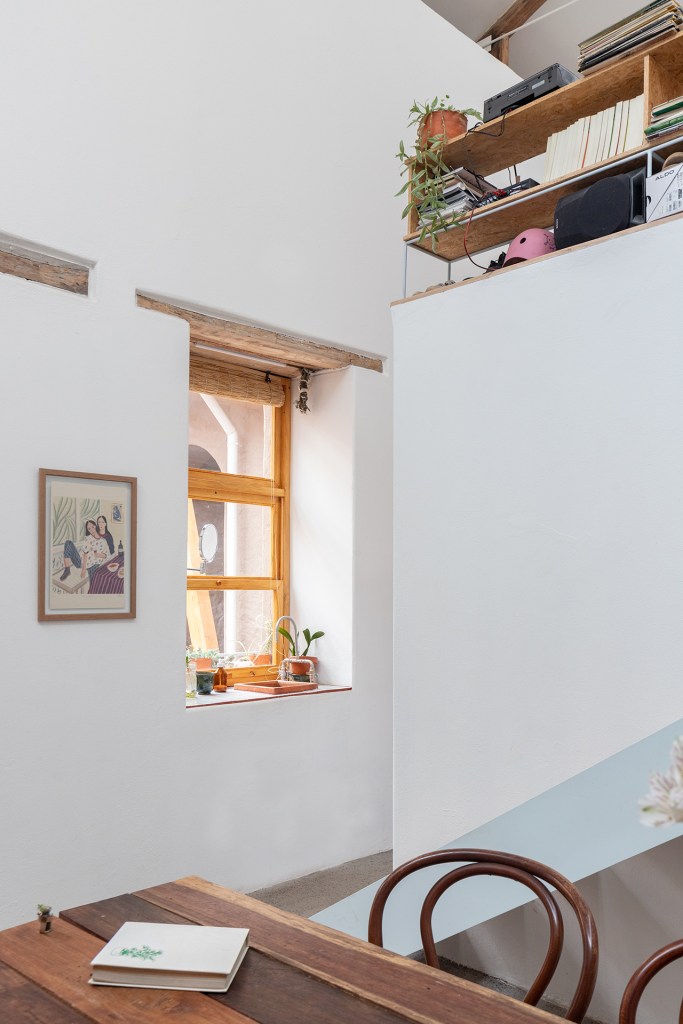
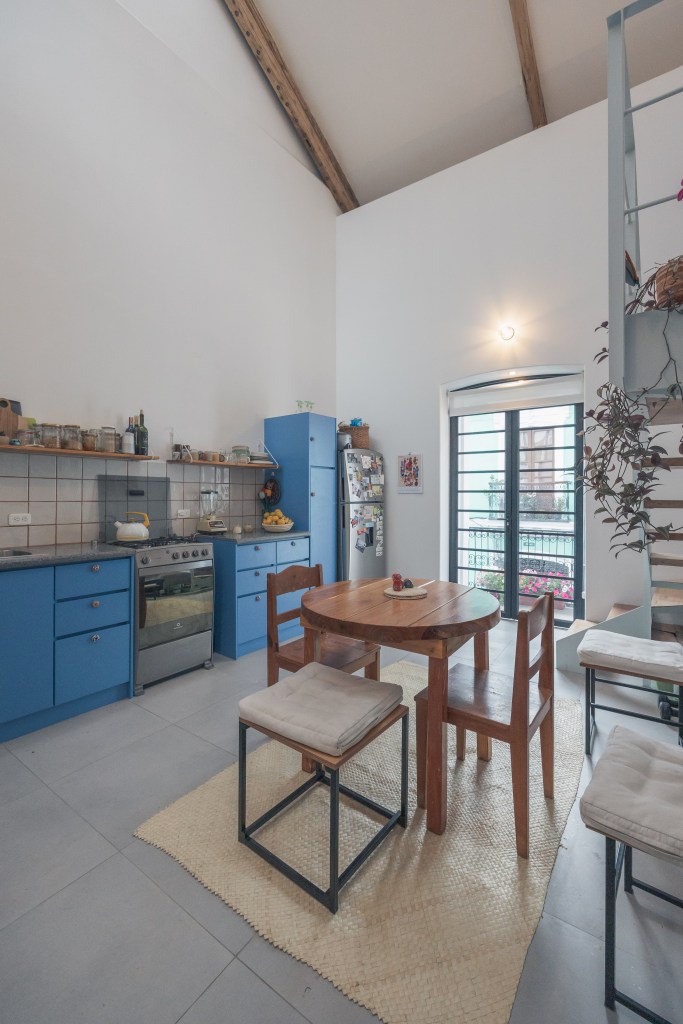
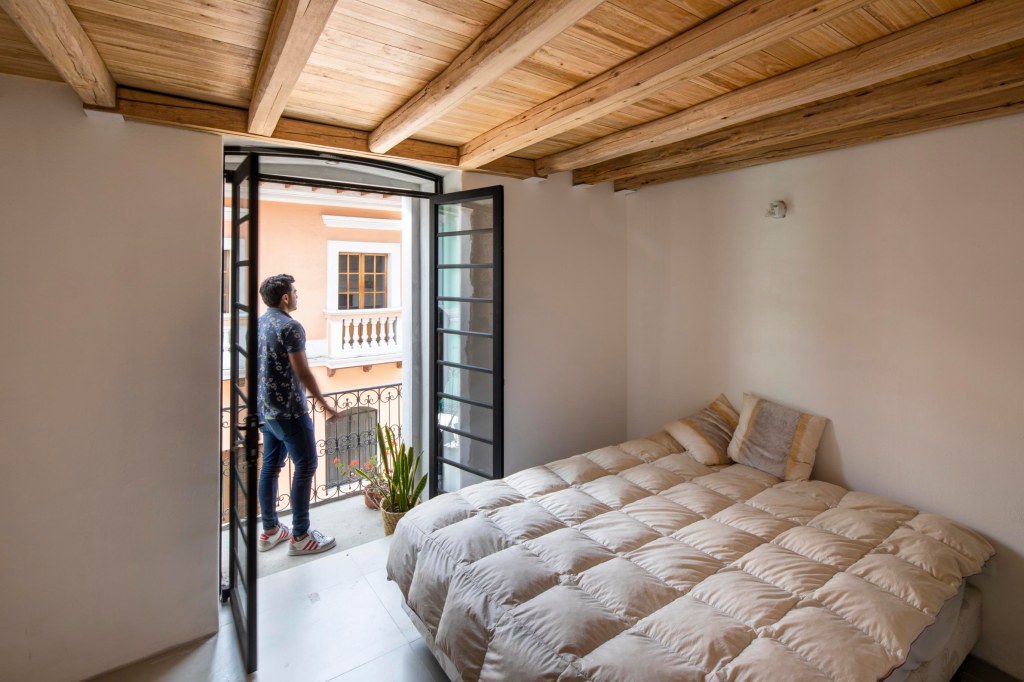
Las unidades de vivienda se resuelven con 3 tipologías distintas: la primera responde a las dinámicas de uso del barrio, una vivienda-taller que conecta uno de los locales comerciales con salida a la calle y con una suite hacia el interior. La segunda plantea departamentos tipo loft con una habitación y un altillo que permite varias formas de ocupación, utilizando la gran altura original del primer piso de la casa. La tercera resuelve unidades para un mayor número de personas, departamentos de dos habitaciones en dos pisos, que pueden ampliarse con altillos sobre cada una de sus habitaciones. La distribución de los departamentos más grandes -ubicados en la parte posterior de la casa-, se genera a partir de un volumen adicional a manera de galería cerrada, que contiene las escaleras y los baños, resolviendo las circulaciones verticales privadas de cada departamento.
The housing units were solved with three different typologies: the first one responds to the dynamics of the neighborhood, a housing workshop that connects one of the commercial spaces with an exit to the street, and a suite in the interior. The second proposes apartments with one bedroom and a loft that allows various forms of occupation, using the original great height of the house’s second floor. The third one solves units for a large number of people, two-bedroom apartments on two floors, which can be extended with mezzanines above each room. The distribution of the larger apartments – located at the back of the house – is generated from an additional volume as a closed gallery, which contains the stairs and bathrooms, solving the private vertical circulations of each apartment.



Fotos JAG Studio

Fotos Punto Dos studio

Fotos Andrés Villota

 tallergeneral.com