Proyecto/Project: Escenario Alterno 01/Alternate Scenario 01
Autoría/Author: Taller General
Año de diseño/Design year: 2018
Año de construcción/Construction year: 2018
Encargado de construcción/Construction manager: Taller General
Ubicación/Location: Quito, Ecuador
Área/Area: 65 m2
Fotografías/Pictures: Taller General & JAG Studio
Nuevo vs. Usado
Cada tanto nos encontramos con un cliente que se enfrenta a la decisión de comprar un inmueble nuevo, tal vez fuera de su presupuesto, o comprar algo ya construido y reacondicionarlo.
Casi siempre nuestro consejo apunta a la segunda opción, creemos que debemos aprovechar lo existente y potenciar la ciudad construida tal como es, el desafío está en visualizar las posibilidades.
New vs. Used
Every so often, we encounter a client who must decide whether to buy a new property that is perhaps outside their budget or to buy an existing property and refurbish it.
We almost always recommend the second option. We believe we should take advantage of what already exists and improve the city as it is. The challenge lies in visualizing the possibilities.
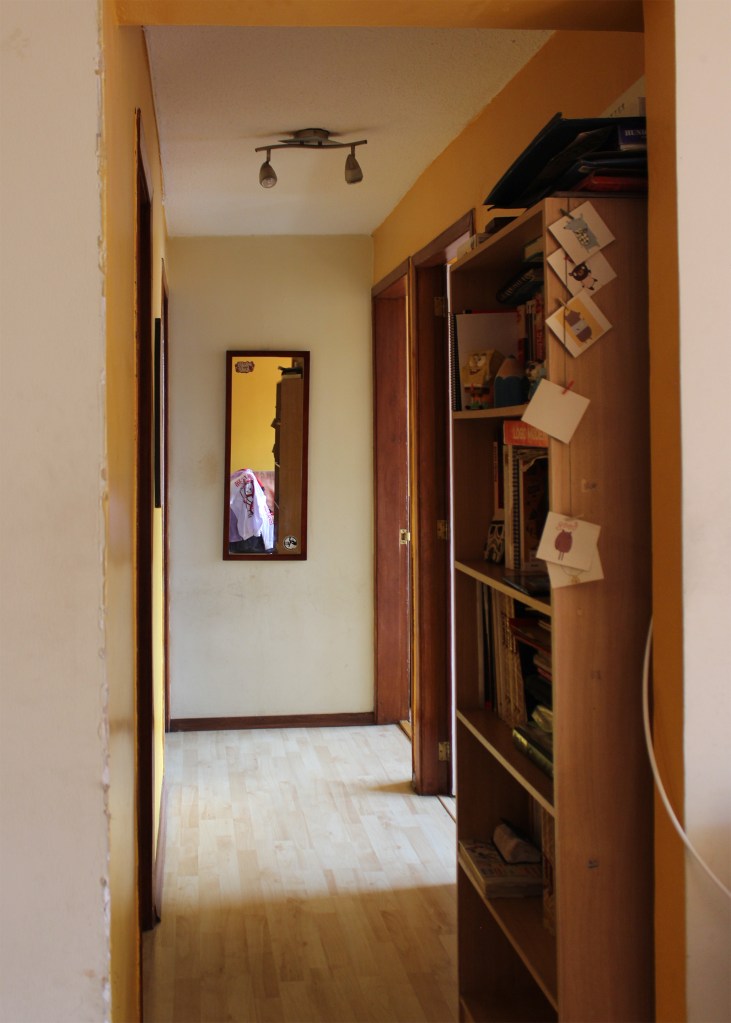
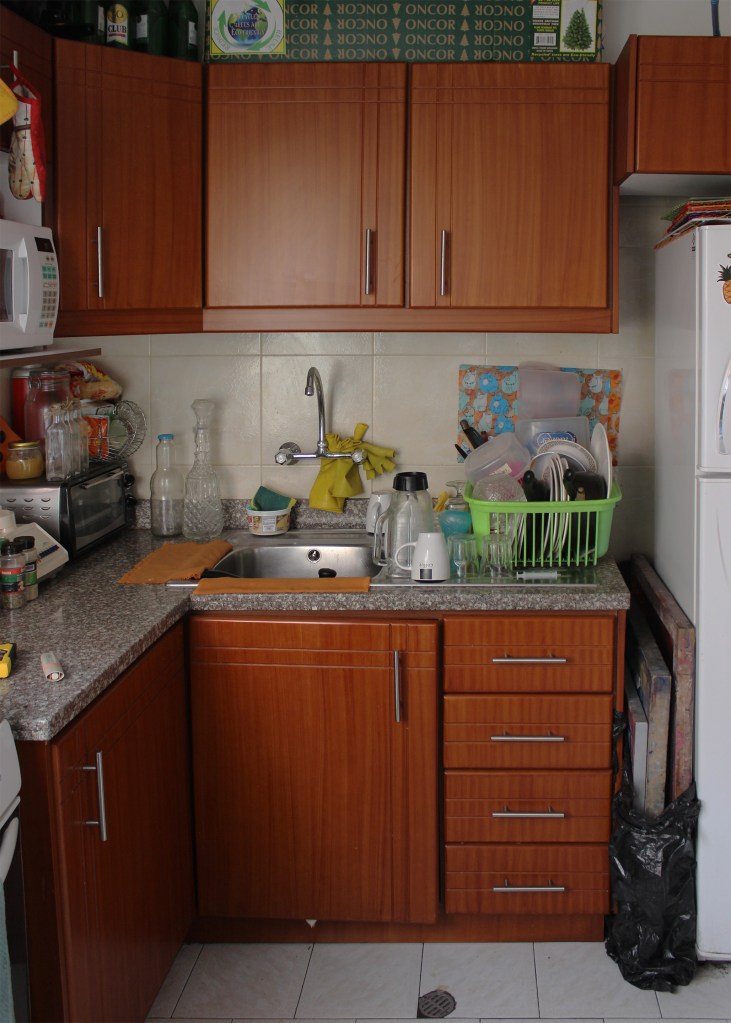
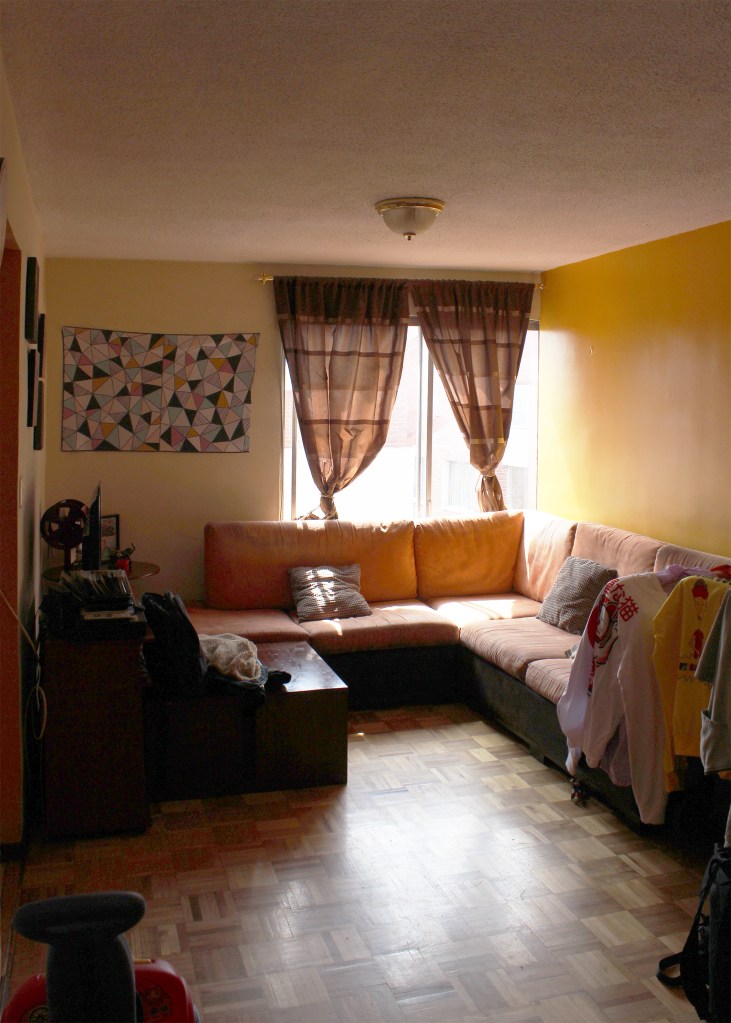
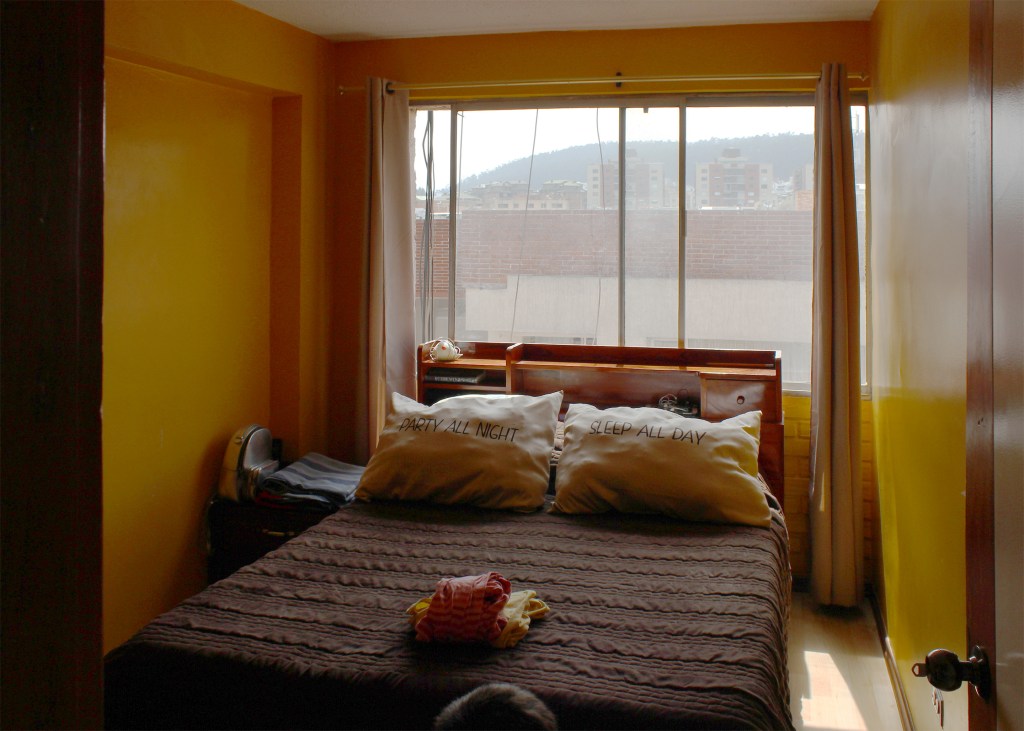
La vuelta
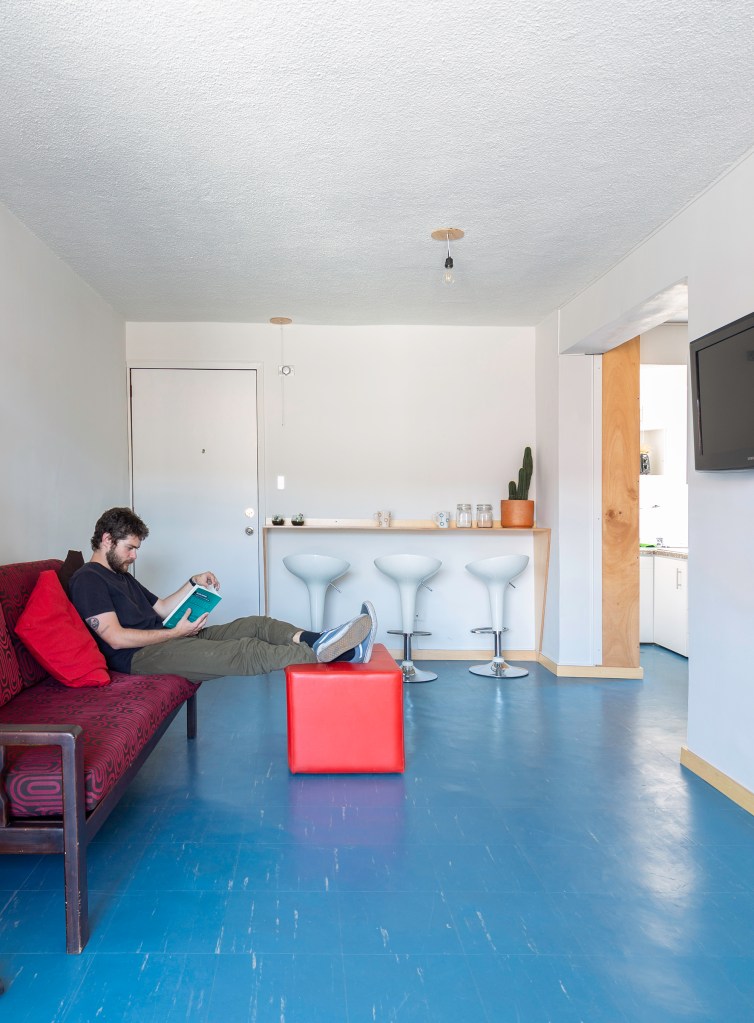
Nos encontramos con un departamento de espacios reducidos, con poca luz, sin lugares para almacenar, en general, un soporte hostil con el usuario.
Todo parte de querer modificar ese escenario y para eso pensamos en quién lo habita, cómo lo habita, dónde está cuando lo habita; ellos son dos estudiantes que rondan los 20 años de edad y que pretendían tener espacios de estancia y estudio, para cada uno, además de un área social compartida apta para reuniones y fiestas.
A esto se sumaban sus padres que, al ser de otra ciudad, se vuelven un usuario intermitente y necesitan donde dormir.
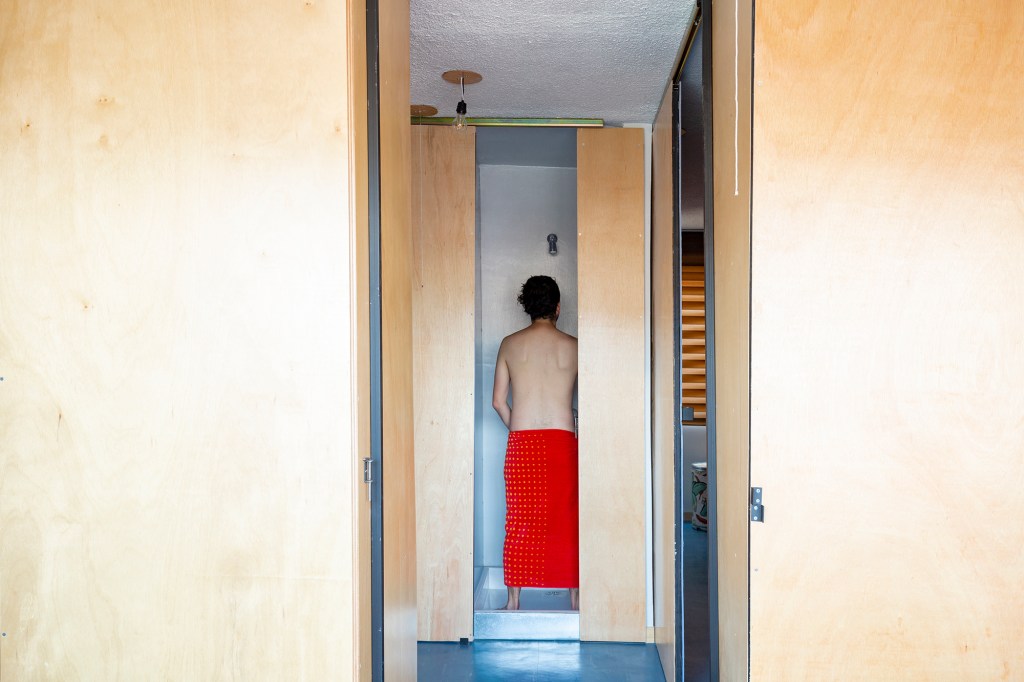
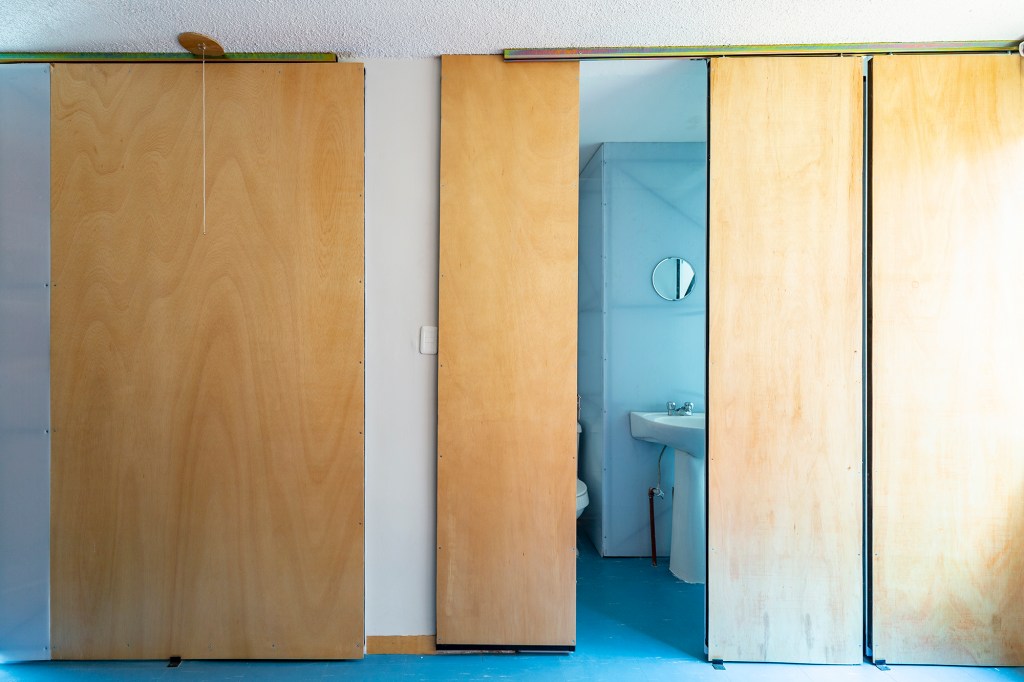
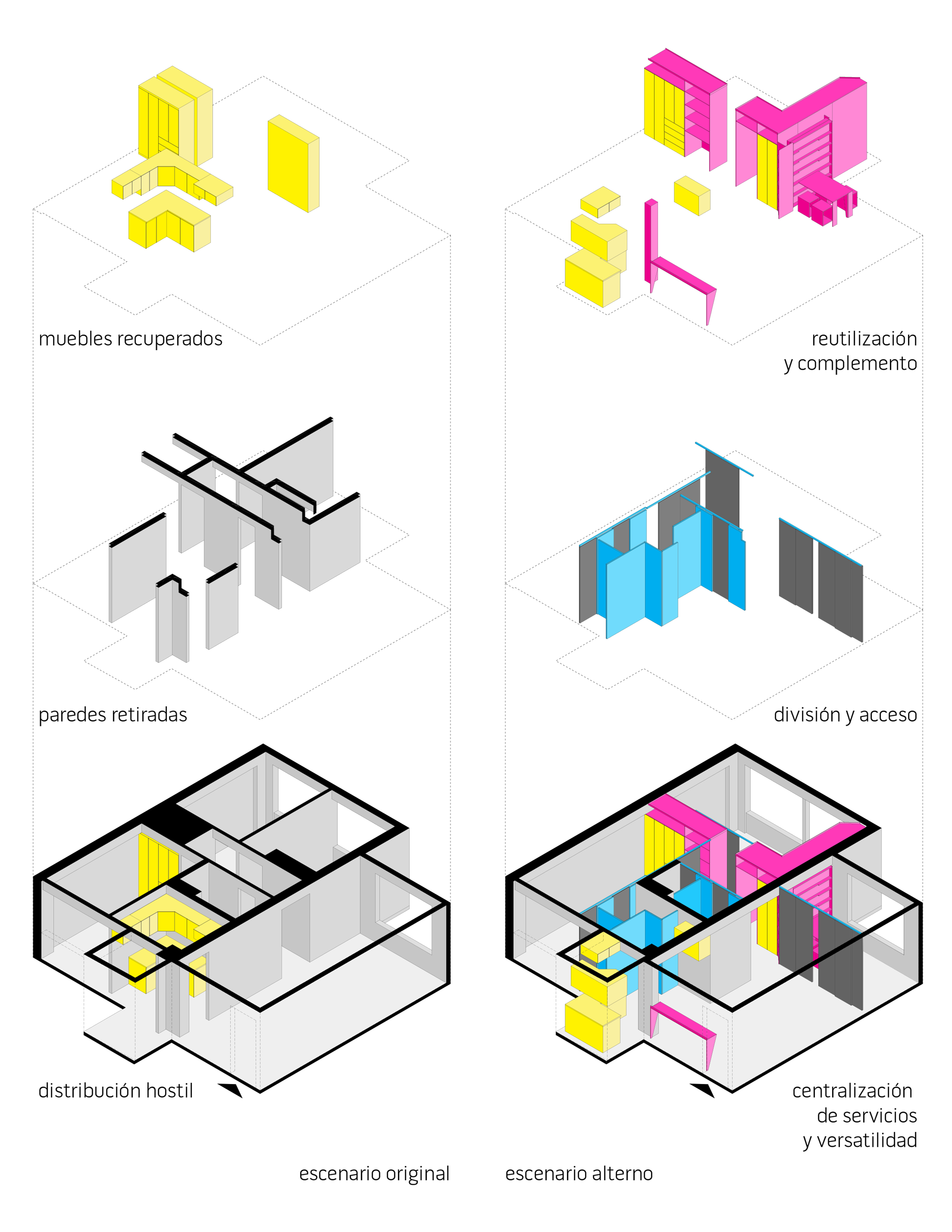
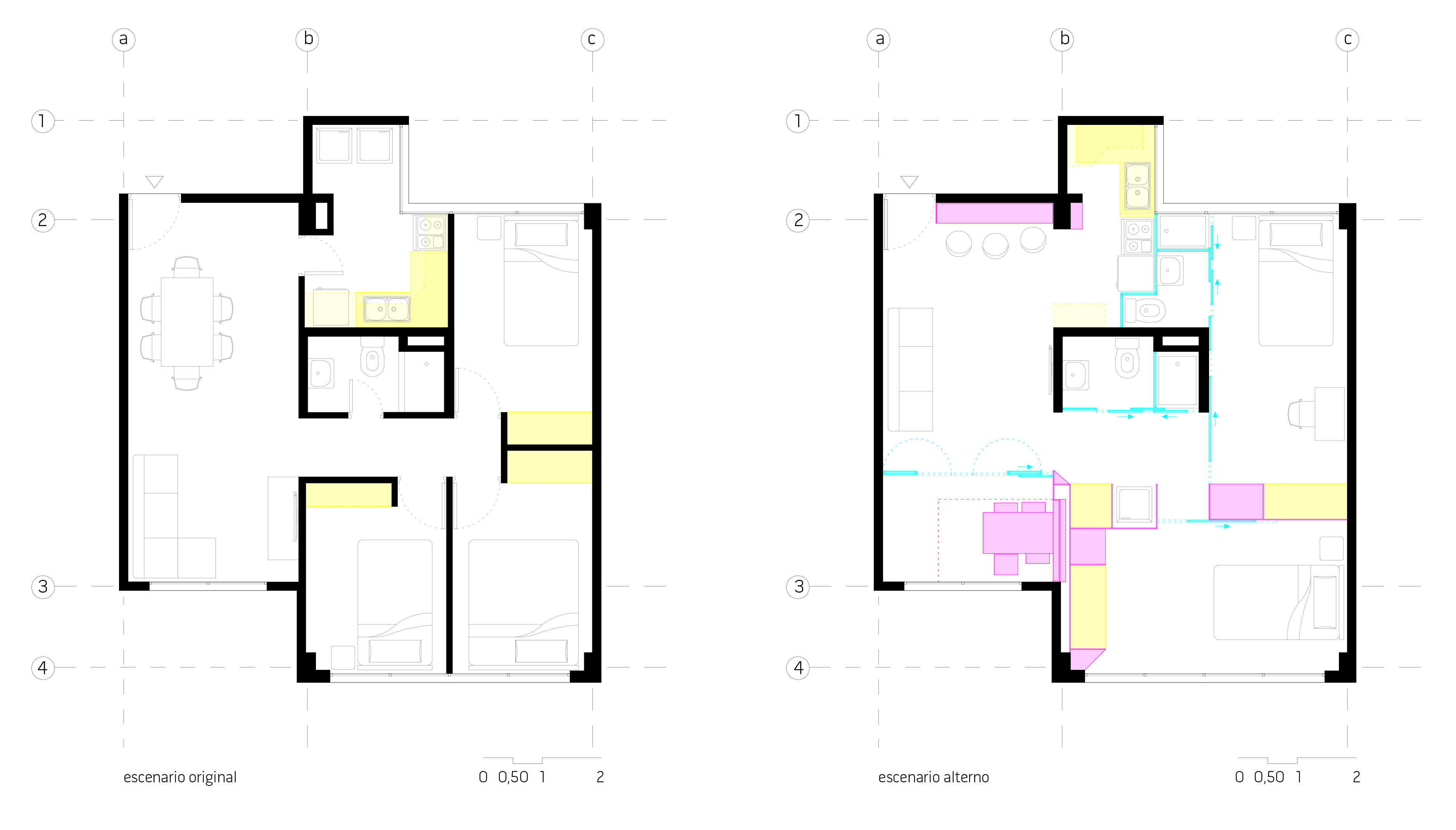
De tres habitaciones sumamente pequeñas pasamos a dos grandes con un baño cada una y la posibilidad de tener una tercera en el espacio destinado a comedor, cuando haya visitas.
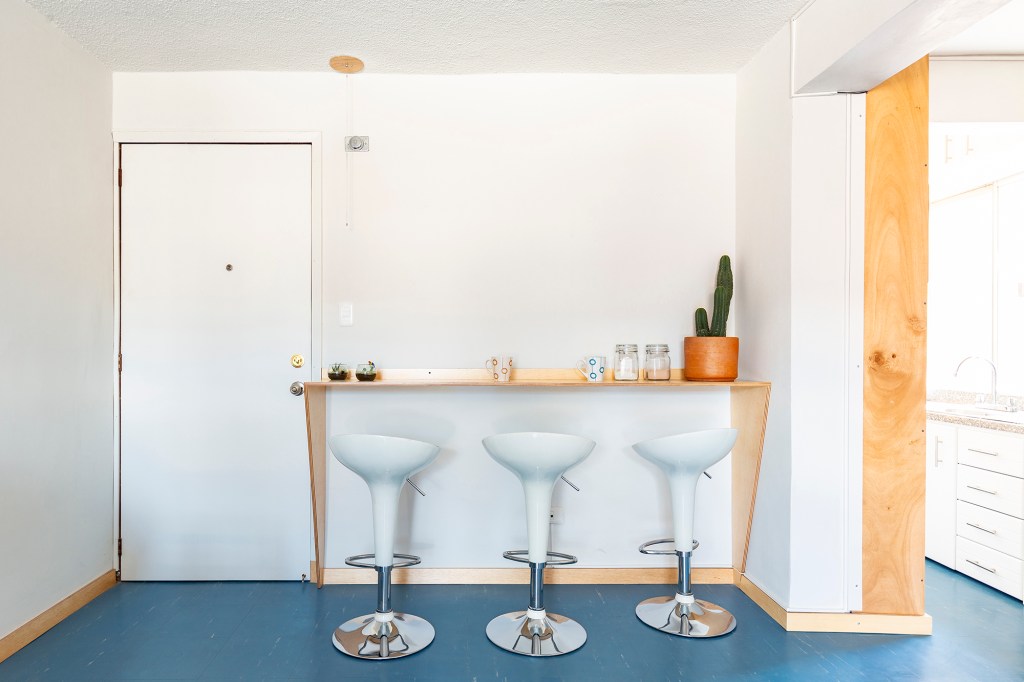
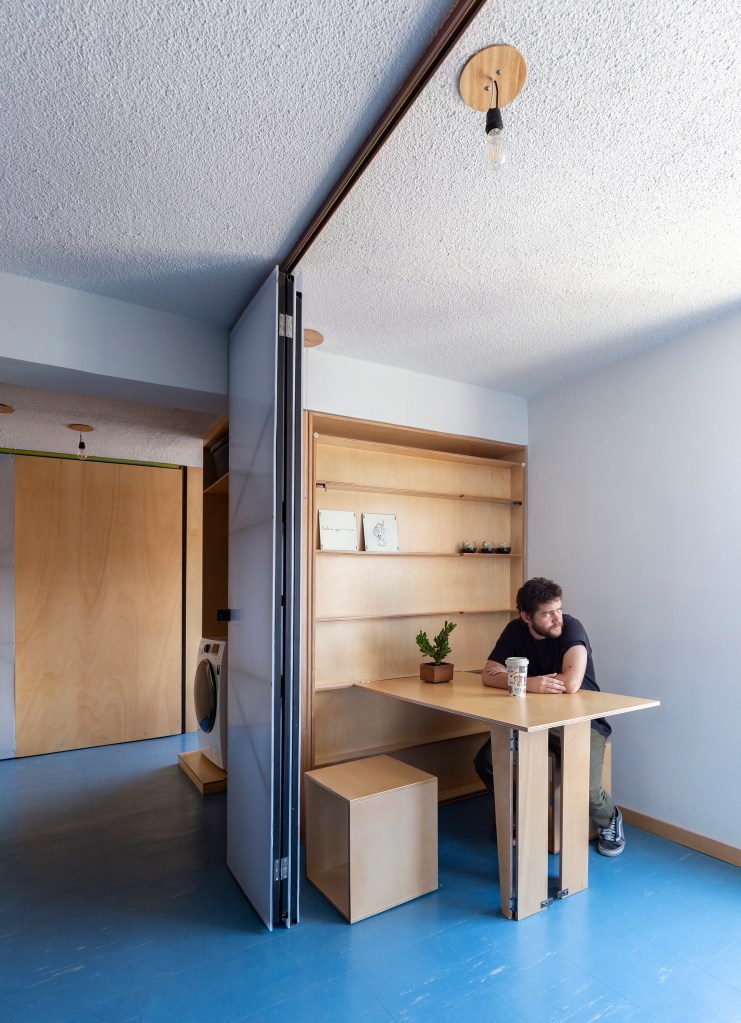
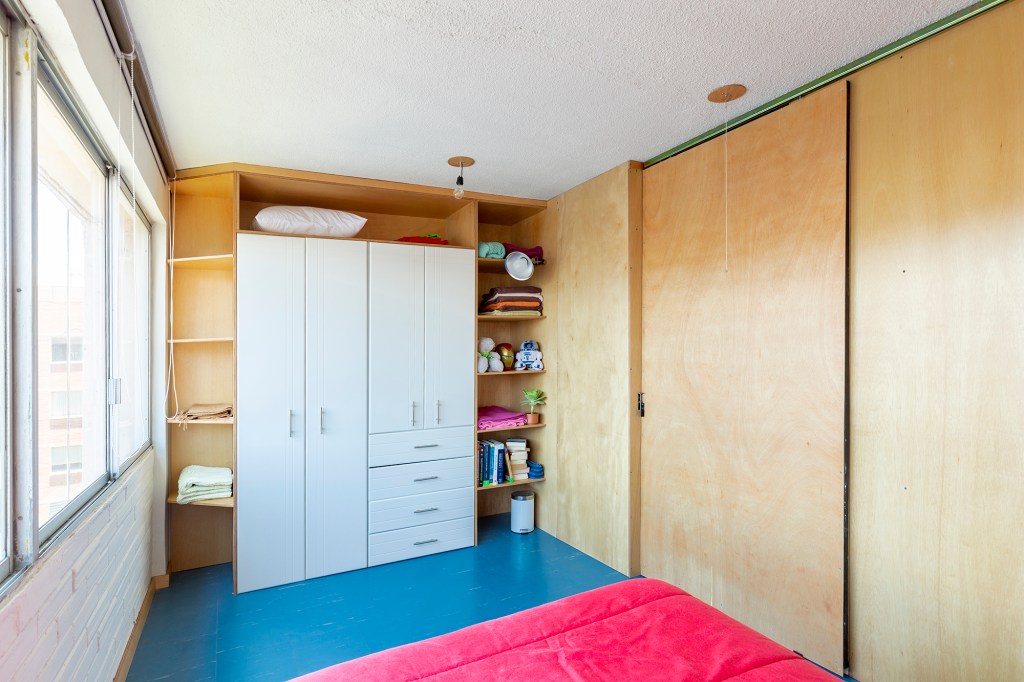
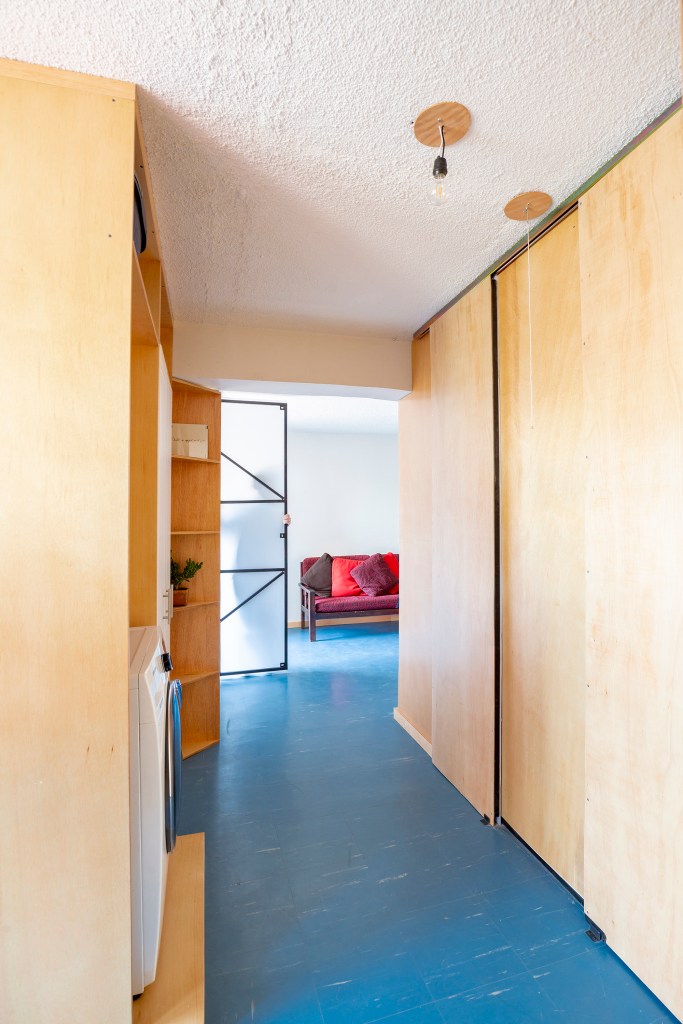
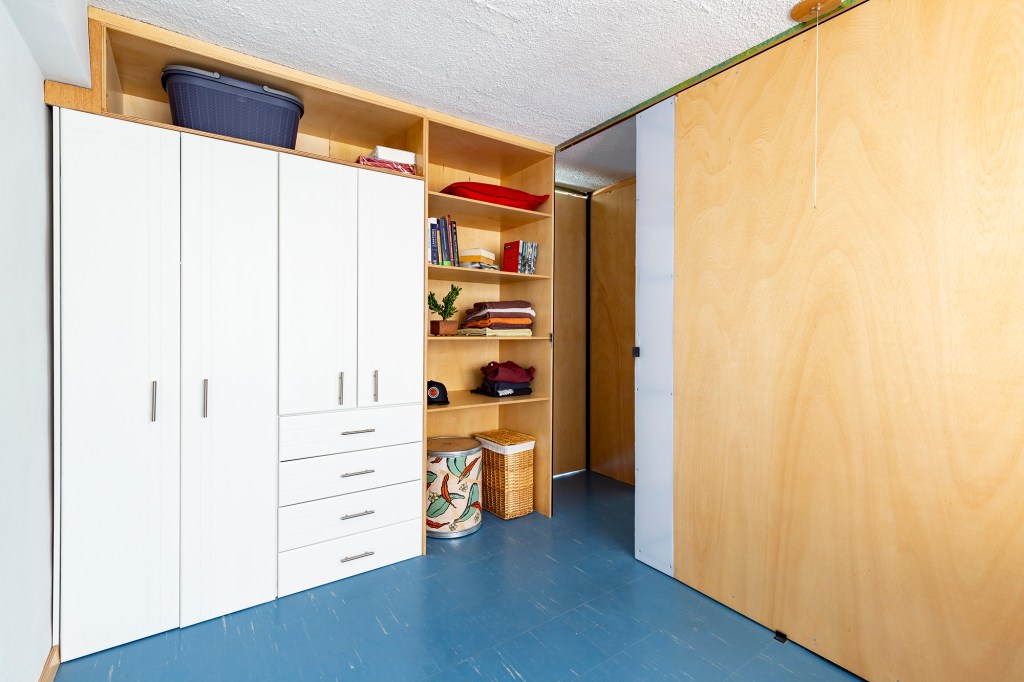
En un espacio tan reducido nos cuestionamos sobre la existencia de paredes netamente como divisiones, creemos que, en función de las necesidades, es necesario dotarlas de un uso, por eso, ahora contienen lugares de almacenamiento, una mesa, una cama, un espacio de lavandería, roperos, repisas, etc.; en pro de la optimización del espacio en el que se habita.
The fact
We found ourselves in a small, dimly lit apartment with no storage space—a generally user-unfriendly environment.
Our desire to change this situation led us to consider who lives there, how they live, and where they are when they live. The residents are two students in their twenties who wanted separate living and study spaces, as well as a shared social area suitable for gatherings and parties.
Their parents, who are from another city, are intermittent users and need a place to sleep.
We moved from three extremely small rooms to two large ones, each with a bathroom, and there is the possibility of having a third bathroom in the dining room area when there are visitors.
In such a small space, we questioned the necessity of walls solely for division. Depending on the needs, we believe it is necessary to give them a purpose. This is why they now contain storage spaces, a table, a bed, a laundry area, wardrobes, and shelves to optimize the living space.
Los Recursos
Para elegir los materiales que configuran los espacios primero pensamos que tenemos a la mano y luego qué es lo más conveniente para resolver la propuesta.
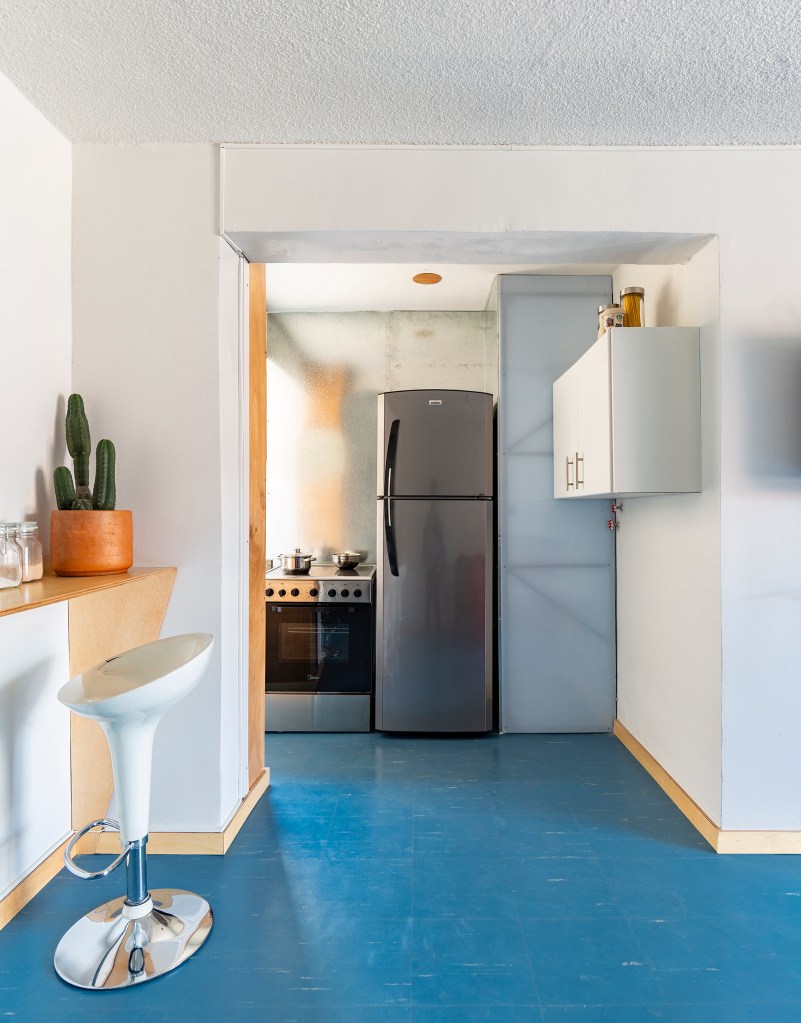
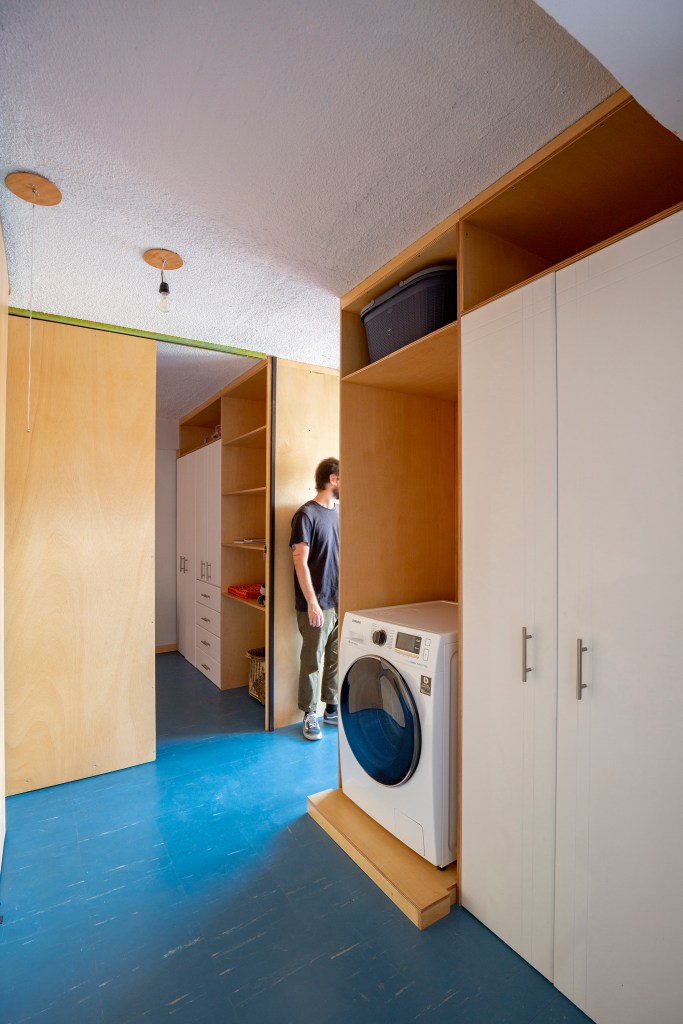
Los roperos y muebles de cocina se reutilizan y se insertan en nuevos muebles fabricados con planchas de contrachapado, aumentando la capacidad de almacenaje y configurando, a la vez, las divisiones entre los espacios.
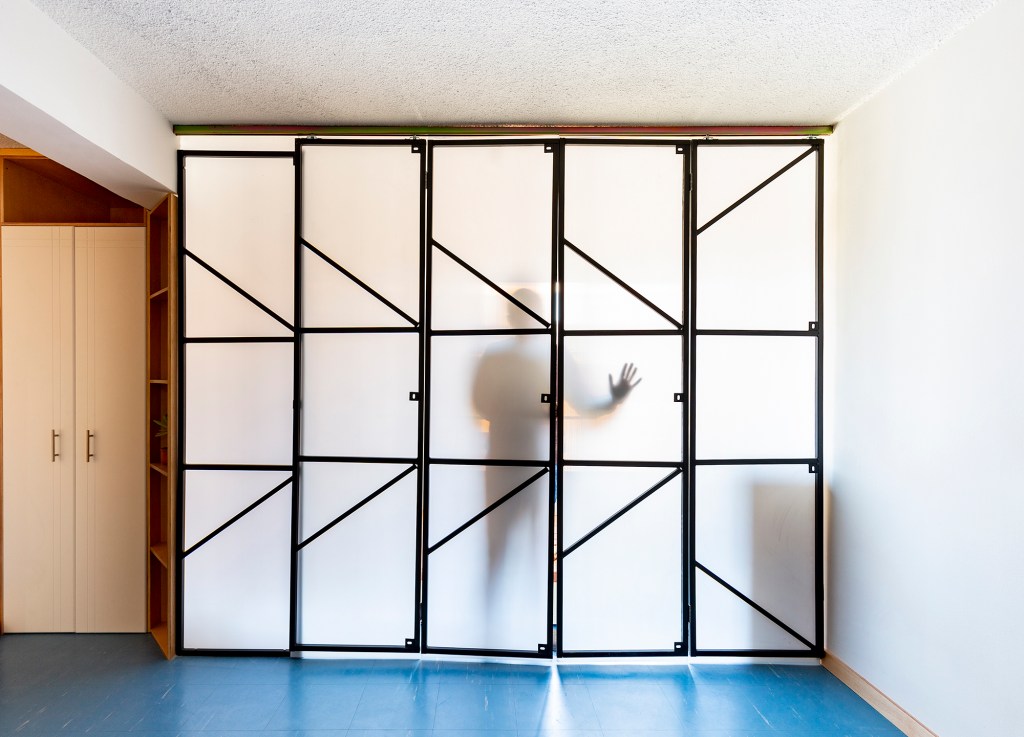
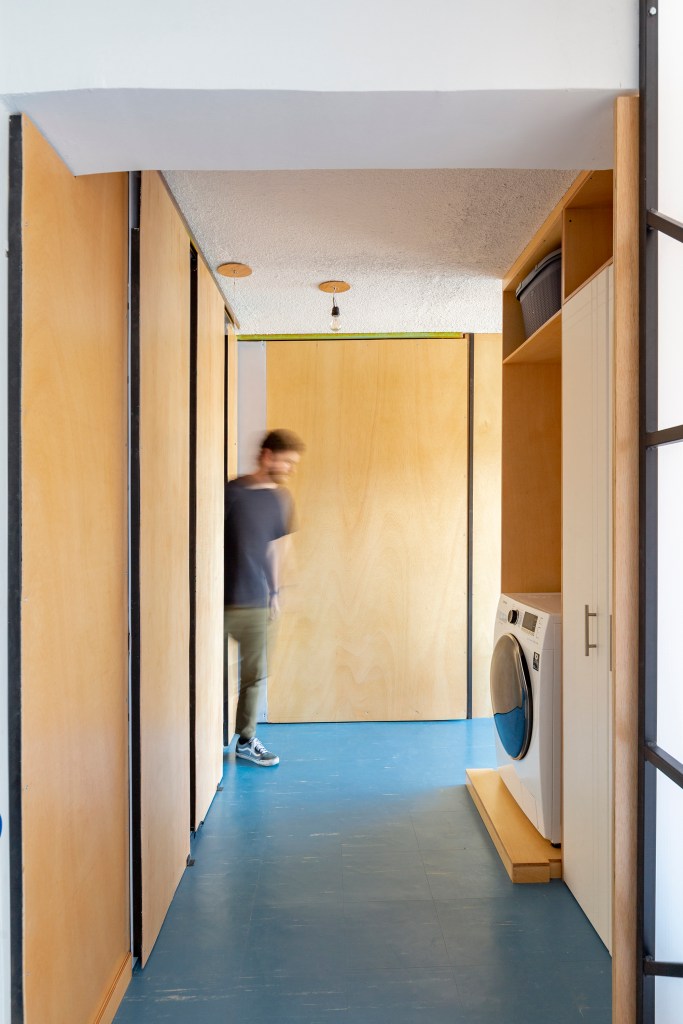
Optamos por puertas corredizas en esta búsqueda por liberar las circulaciones, las fabricamos reciclando unas estructuras metálicas, antes utilizadas para la importación de partes automotrices, que, con distintos revestimientos también configuran divisiones en lugares en los que, condicionados por el espacio, no podíamos introducir más usos.
Resources
When choosing the materials that make up the spaces, we first consider what we have on hand and then what is most convenient for the project.
Wardrobes and kitchen cabinets are reused and inserted into new furniture made from plywood sheets, increasing storage capacity and, at the same time, creating divisions between spaces.
We opted for sliding doors in this quest to free up circulation, manufacturing them by recycling metal structures previously used for importing automotive parts, which, with different coatings, also create divisions in places where, due to space constraints, we could not introduce any further uses.